
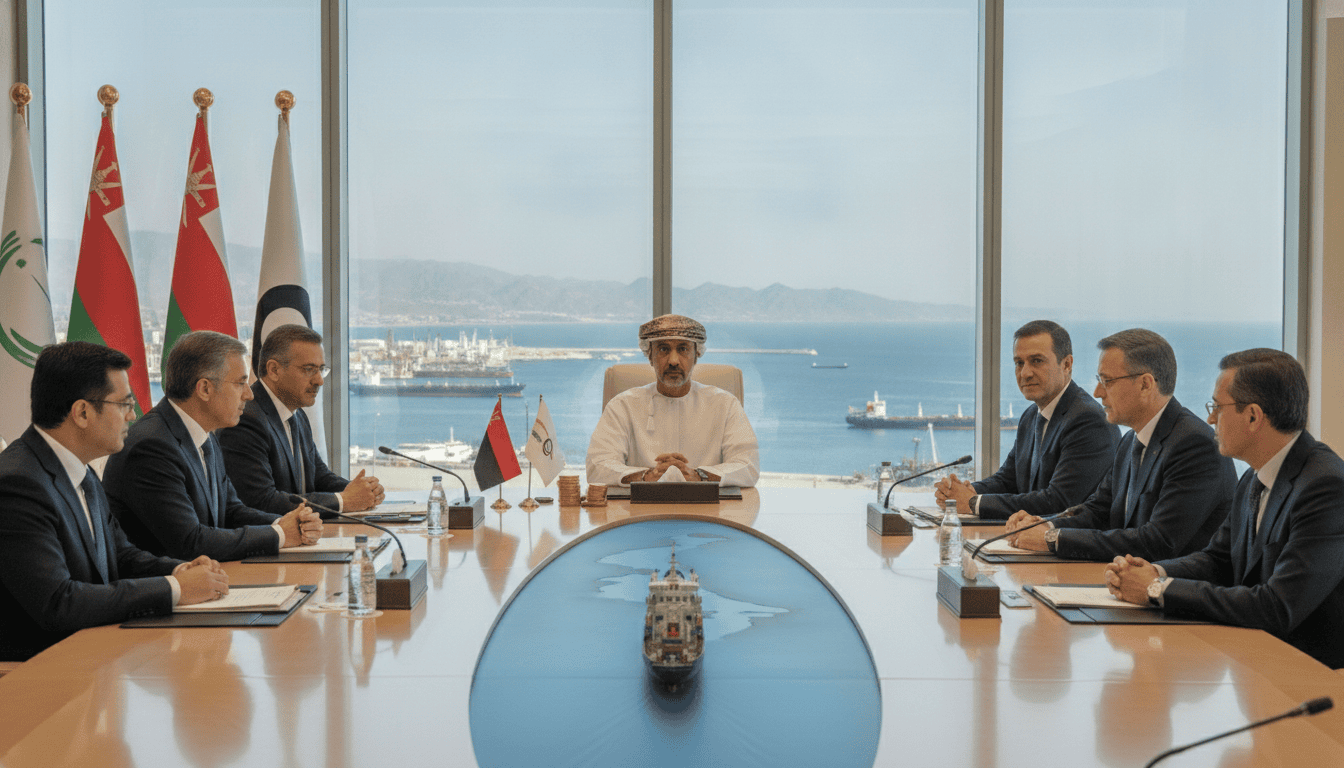
Oman Proposes Joint Regional Mechanism to Manage the Strait of Hormuz
Oman has presented Iran with a proposal for joint management of the Strait of Hormuz, offering a regional framework with voluntary fees to avoid unilateral control. (155 characters)
Oman Proposes Joint Management for the Strait of Hormuz
Oman has presented Iran with a proposal to create a joint regional mechanism to manage the Strait of Hormuz, Reuters reported citing a Gulf source. The proposal, which includes a scheme of voluntary fees, aims to ensure no single state—specifically Tehran—would exercise sole control over the strategically vital waterway.
The Gulf source indicated the Omani initiative has regional backing and is intended as a diplomatic alternative to escalating unilateral or military assertions of authority. Proponents say the plan would provide a formal, cooperative framework for navigation, safety and fee collection without undermining state sovereignty.
Details of the Voluntary Fee Proposal
According to the Gulf source cited by Reuters, the mechanism would rely on voluntary contributions rather than mandatory tolls imposed by a single power. The fees are envisaged to fund joint services such as maritime safety, navigational aids, environmental protection and possibly coordinated patrols.
Supporters of the plan portray the voluntary-fee model as politically feasible for Gulf states and outside powers that transit the strait, by avoiding the legal and political complications of compulsory tariffs or unilateral enforcement. Exact rates, governance structures and auditing arrangements were not disclosed in the initial report.
Regional Backing and Diplomatic Context
The Omani proposal is reported to have garnered support from several regional capitals seeking to stabilize maritime transit and reduce the risk of incident. Gulf states have long sought mechanisms to protect commerce through the strait, which is a chokepoint for global energy shipments and commercial shipping.
Diplomats in the region see Oman’s role as that of a mediator with longstanding ties to Tehran and other Gulf governments. The proposal appears designed to channel regional concerns into an institutional process rather than a series of bilateral confrontations or international legal disputes.
Iran’s Position and Possible Responses
The Gulf source said the plan would not cede exclusive control of the strait to Iran, a point likely to figure heavily in Tehran’s assessment. Iranian authorities may view joint management as a way to formalize influence while avoiding the reputational and strategic costs of unilateral action.
Nonetheless, Tehran’s reaction could vary from cautious engagement to outright rejection depending on guarantees, governance terms and perceived security implications. Iranian policymakers will likely weigh the political optics of accepting an arrangement framed as regional and consensual against the desire to assert national prerogatives.
Strategic and Economic Implications for Shipping
Any agreement affecting the Strait of Hormuz has significant commercial consequences because a large share of oil and liquefied natural gas shipments transit the narrow corridor. A cooperative management mechanism could lower insurance costs, reduce delays and diminish the risk premium carriers pay when routing tankers through the region.
Conversely, ambiguity about enforcement, the voluntary nature of fees and potential gaps in coordination could leave vulnerabilities unaddressed. Stakeholders in global energy markets and shipping firms will watch closely for concrete governance and security arrangements before adjusting commercial practices.
Diplomatic Path Forward and International Interest
Moving from a Gulf-source proposal to a formal arrangement will require negotiation, transparency and likely third-party buy-in to reassure commercial and naval actors. Meetings among regional foreign ministers, multilateral forums or specialized maritime bodies could serve as venues to flesh out legal parameters and operational details.
Major external powers with naval assets in the region may support or scrutinize the plan depending on how it aligns with freedom-of-navigation principles and their strategic interests. The proposal’s voluntary-fee approach may make it more palatable to a range of actors seeking stability without ceding legal control to a single state.
The Omani initiative underscores a regional appetite for institutional solutions to chronic tensions around the Strait of Hormuz. Whether Iran engages constructively and whether participating states can agree on clear, enforceable rules will determine if the proposal can shift behavior in a waterway central to global trade.
