
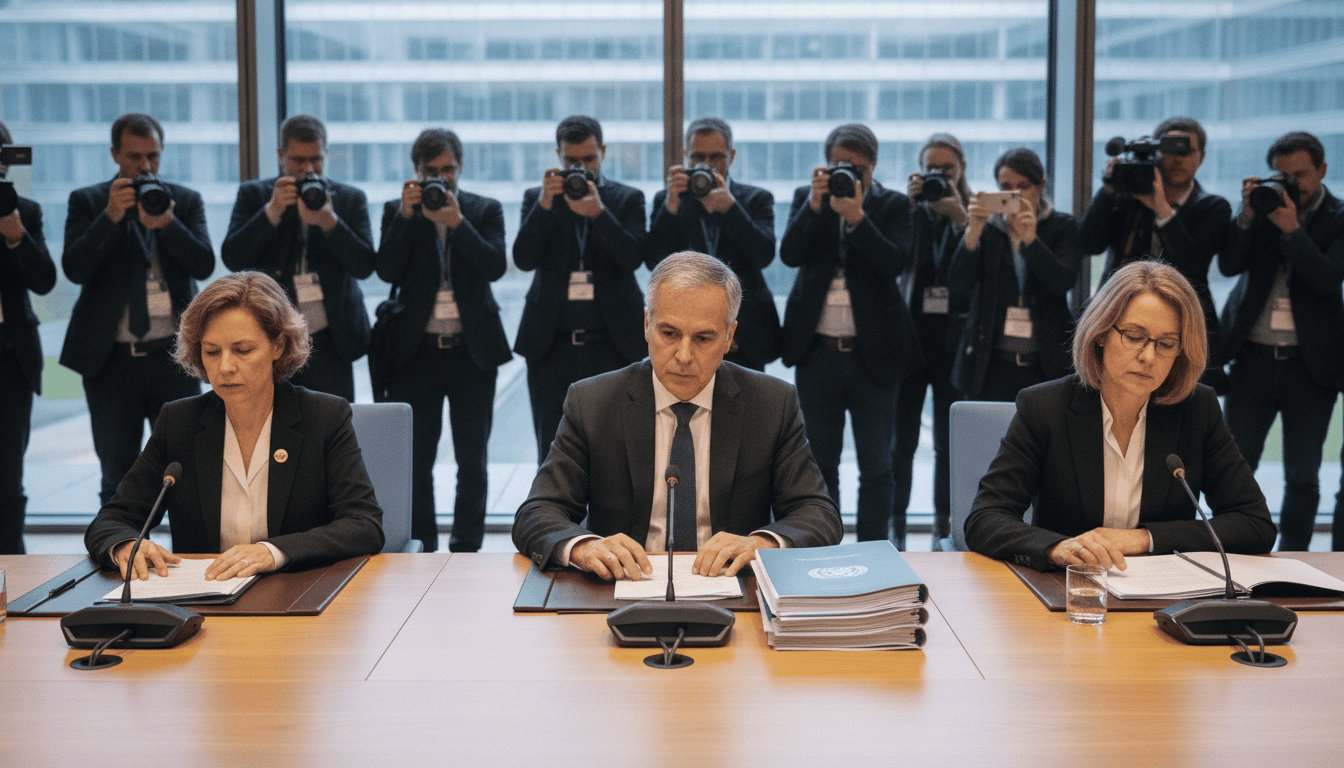
UN Experts Urge Repeal of Iran Death Penalties for Young Protesters
UN experts urge Iran to cancel death penalties for 10 young men tied to January anti-government protests, citing closed hearings and fair-trial breaches.
The United Nations’ special rapporteurs and working groups on forced disappearances and arbitrary detention have urged Iran to cancel Iran death penalties imposed on a group of young men linked to anti-government demonstrations in January. The experts said the sentences, handed down in a single closed hearing, raise serious concerns about compliance with international fair-trial standards. Among the group, 12 were sentenced and two were executed on July 19, with defendants reported to be in their late teens to early twenties.
UN experts demand cancellation of death penalties
The group of 13 UN experts called explicitly for the repeal of the death sentences against 10 of the defendants and for transparent review of all convictions. They described the mass sentencing and the secrecy of the proceedings as inconsistent with established legal protections. The statement stressed that accountability must be individualized and that collective punishment undermines due process.
The experts represent mandates including special rapporteurs and working groups focused on forced disappearances and arbitrary detention, bringing weight to their assessment. Their combined statement framed the issue as not only punitive but procedural, pointing to the setting and conduct of the hearings as core violations. They urged Iran to provide full details about each defendant’s alleged role and the evidence used at trial.
Details of the July 19 hearings and executions
According to the experts’ account, two of the men were executed on July 19 after a hearing that resulted in multiple death sentences in a single session. The remaining defendants received death sentences in the same round of rulings, with little public scrutiny reported. The timing and circumstances of the executions have intensified international attention on Iran’s handling of protest-related cases.
Reports accompanying the experts’ statement noted that the trials were held behind closed doors, restricting independent monitoring and public transparency. The lack of clarity about how individual responsibility was determined was a central complaint. Observers warned that compressed proceedings in secret risk miscarriages of justice, particularly when capital punishment is at stake.
Fair-trial and procedural concerns highlighted by experts
The experts asserted that sentencing 12 people to death in one hearing, in a closed courtroom and without clarity as to each defendant’s individual responsibility, violates established fair trial standards. They argued that such procedures contravene international legal norms that require open hearings, access to defence counsel, and evidence-based adjudication. The statement called for immediate remedial measures, including review of sentences and guarantees of legal safeguards.
Human rights authorities often emphasize that death penalty cases require the highest procedural protections because the sanction is irreversible. The UN experts’ critique focused on structural issues: lack of transparency, possible coercion, and the absence of detailed public records explaining how verdicts were reached. Their appeal sought both the cancellation of death sentences and systemic changes to prevent further opaque prosecutions.
Ages of defendants and the protest context
The individuals sentenced were described as being in their late teens to early twenties, underscoring concerns about the treatment of young people during civil unrest. The proceedings related to anti-government protests that occurred in January, when a wave of demonstrations drew attention both domestically and internationally. The experts’ reference to youth highlighted broader worries about the criminalisation of protest activity and the sensitivity of levying capital punishment in such contexts.
Protest movements have frequently resulted in contentious prosecutions, and when defendants are young, the international community often presses for age-appropriate measures and rehabilitative alternatives. The experts’ intervention framed the issue as one that touches on juvenile justice principles and proportionality in sentencing.
International legal norms and UN mechanisms invoked
The UN experts grounded their appeal in established international standards, invoking mechanisms that monitor forced disappearances and arbitrary detention. They urged Iran to align its criminal procedures with obligations under international human rights law, including ensuring fair trials and preventing arbitrary deprivation of life. The collective voice of multiple rapporteurs and working groups signalled coordinated concern across several human rights mandates.
Such statements typically aim to prompt state responses, including the provision of information and willingness to allow independent review. The experts also highlighted the need for accountability that is both transparent and individualized, reflecting core tenets of due process. Their call adds to previous international commentary urging restraint and legal safeguards in protest-related prosecutions.
Calls for transparency and possible next steps
The UN experts asked Iranian authorities to disclose full information on the legal basis for each sentence and on the circumstances of the July 19 executions. They recommended that convictions be reviewed in open proceedings that allow independent monitors and that any death sentences be stayed pending comprehensive review. The experts also suggested that international mechanisms remain engaged to monitor compliance and ensure humane treatment of detainees.
Domestic and international observers will be watching for an official response from Iran and for any judicial review or clemency measures that might follow. The experts’ appeal sets clear benchmarks: reversal of the death sentences for the young defendants, transparent legal processes, and adherence to international fair-trial standards. How Iranian authorities respond will determine whether these cases proceed to further scrutiny or spark renewed diplomatic pressure.
The UN experts’ statement underscores wider concerns about the use of capital punishment in politically charged cases and the imperative of safeguarding fair trial rights, especially for young defendants facing the gravest of penalties.
