
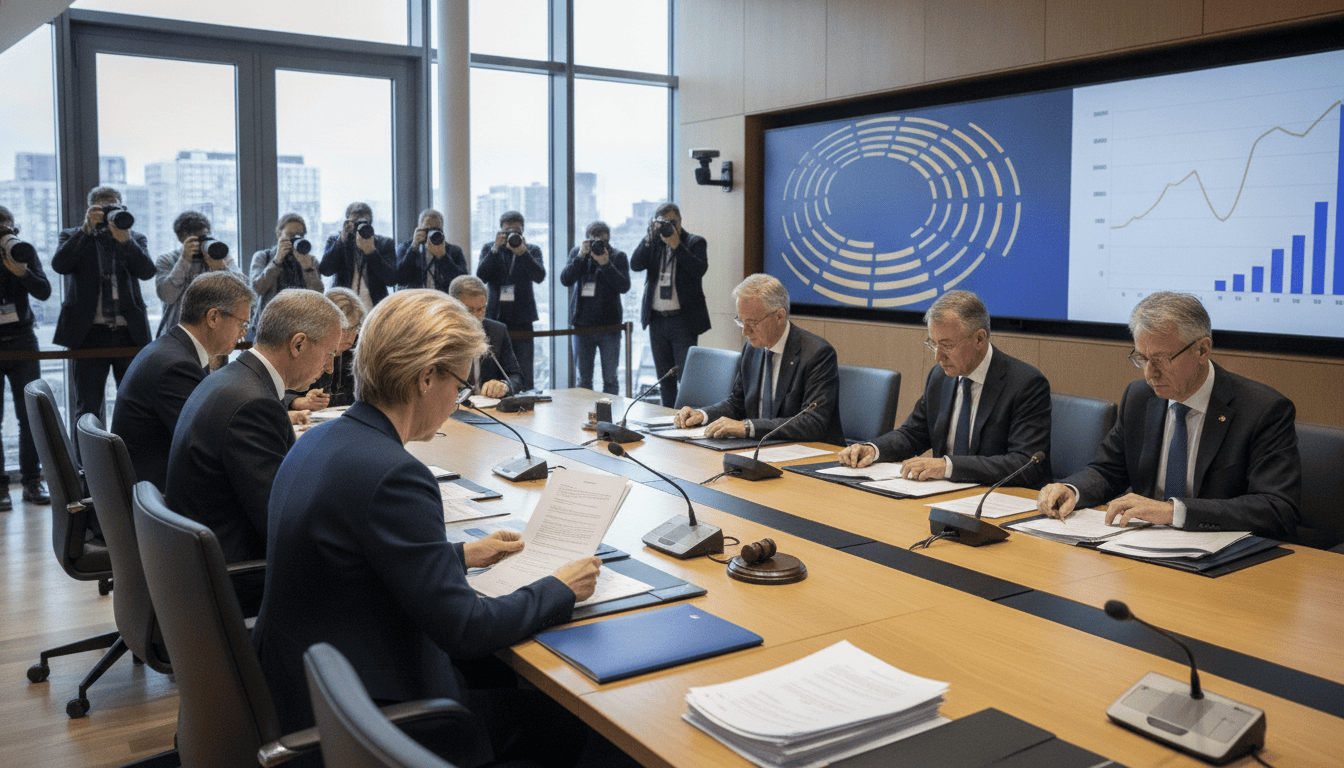
EU sanctions on Russia extended as member states prioritize economic concerns alongside security goals
EU agrees new sanctions on Russia: extends $44 oil price cap for one year and targets banks and crypto firms while member states weigh economic concerns.
EU extends oil price cap for another year
The European Union agreed on a new sanctions package that extends the oil price cap at $44 per barrel for an additional year. The measure, agreed by representatives of the 27 member states, seeks to limit Moscow’s revenue from crude exports by penalizing companies that facilitate shipments priced above the threshold. Officials said the extension is intended to sustain pressure on the Russian economy while keeping global energy markets stable.
The decision to prolong the cap follows a period of intense negotiation among capitals worried about the domestic impact of tougher measures. Lawmakers and industry ministers pushed for language that balances the strategic goal of restricting Russian income with protections for European firms involved in energy logistics. The compromise reflects a wider pattern of sanctions calibrated to avoid sharp disruptions for EU consumers and businesses.
New restrictions on banks and cryptocurrency traders
The sanctions package also adds targeted restrictions on Russian financial institutions and entities engaged in digital-asset trading. European companies will face prohibitions on conducting business with listed Russian banks and with certain crypto traders operating in Russia and third countries. The move aims to close channels used to circumvent existing financial controls and to cut off alternative revenue streams for sanctioned entities.
Officials emphasized that the measures focus on intermediaries that facilitate evasion rather than broad-based exclusion of the Russian financial sector. That approach is designed to reduce unintended consequences for legitimate cross-border transactions and for non-sanctioned counterparties. Enforcement will rely on enhanced information sharing among EU regulators and closer coordination with international partners.
Entry ban for individuals linked to the invasion
As part of the package, the EU plans to impose an entry ban on Russians deemed to have participated in the military aggression against Ukraine. The travel restrictions will target those identified as involved in planning, financing or executing the invasion, according to statements from member-state representatives. The ban is intended to increase personal consequences for those directly connected to the conflict while signaling continued political solidarity with Kyiv.
Member states notified one another that criteria for inclusion on the list will be subject to legal review and evidentiary standards to avoid arbitrary designation. Sanctions coordinators will compile and update lists in concert with allied governments and international organizations. The measure supplements earlier rounds of individual sanctions and aims to tighten movement restrictions without widening civilian impact.
Domestic politics reshape the sanctions debate
Negotiators in Brussels noted that the dynamic of opposition to strict measures has shifted since April, when Viktor Orbán was voted out in Hungary. While Orbán had been a prominent obstacle to tougher sanctions, other member states have now asserted pressure points rooted in national economic interests. Ministers from countries with significant energy, refining and shipping exposure warned that measures must be calibrated to avoid major damage to local industries and consumers.
The result has been a more pragmatic tone in discussions, with capitals seeking tailored exemptions and transition periods for sensitive sectors. Several governments argued that abrupt or uncompensated measures could undermine public support for continued pressure on Russia. That calculus helped shape the final text of the package and prolonged talks that concluded on Thursday morning.
Enforcement challenges and industry implications
Implementing the extended price cap and the new financial prohibitions will test enforcement mechanisms across the EU and beyond. Authorities will need to monitor shipping records, insurance arrangements and payments flows to detect transactions breaching the $44 threshold. The involvement of opaque intermediaries and third-country firms remains a known vulnerability that regulators plan to address through intensified cross-border cooperation.
Companies in shipping, insurance and energy trading sectors face a compliance burden as national authorities translate the package into domestic rules and penalties. Industry groups have called for clear guidance and realistic timelines to adjust contracts and operational procedures. Regulators say they will publish clarifications and provide channels for reporting suspected breaches to strengthen oversight.
Political implications and next steps in Brussels
The new package is likely to be followed by technical work as member states convert the agreed measures into legally binding national instruments. European Commission lawyers and national ministries will draft the implementing acts and an enforcement timetable that can be reviewed by parliaments where required. Diplomats caution that further adjustments are possible as the international context and market conditions evolve.
Observers expect continued scrutiny from allies and from Kyiv, which seeks measures that meaningfully reduce Russia’s war-making capacity. At the same time, capitals balancing energy security and domestic economic stability will press for mechanisms to shield vulnerable sectors. The political outcome in Brussels reflects that tension: sanctions widened in scope but shaped by calculable exemptions and phased implementation.
The EU’s decision to extend the price cap and expand financial restrictions marks a continuation of coordinated pressure on Moscow while illustrating how internal economic concerns influence policymaking. Enforcement and follow-through will determine whether the measures achieve their stated aim of limiting Russian revenues without provoking unacceptable costs for European citizens and businesses.
