
Kuwaiti tanker attack prompts diplomatic protest to Iran after Strait of Hormuz incident
Kuwaiti tanker attack: Kuwait summoned Iran’s ambassador after a tanker was reportedly targeted while transiting the Strait of Hormuz, leaving several crew members injured, the ministry said.
Kuwait Presents Protest Note to Iran
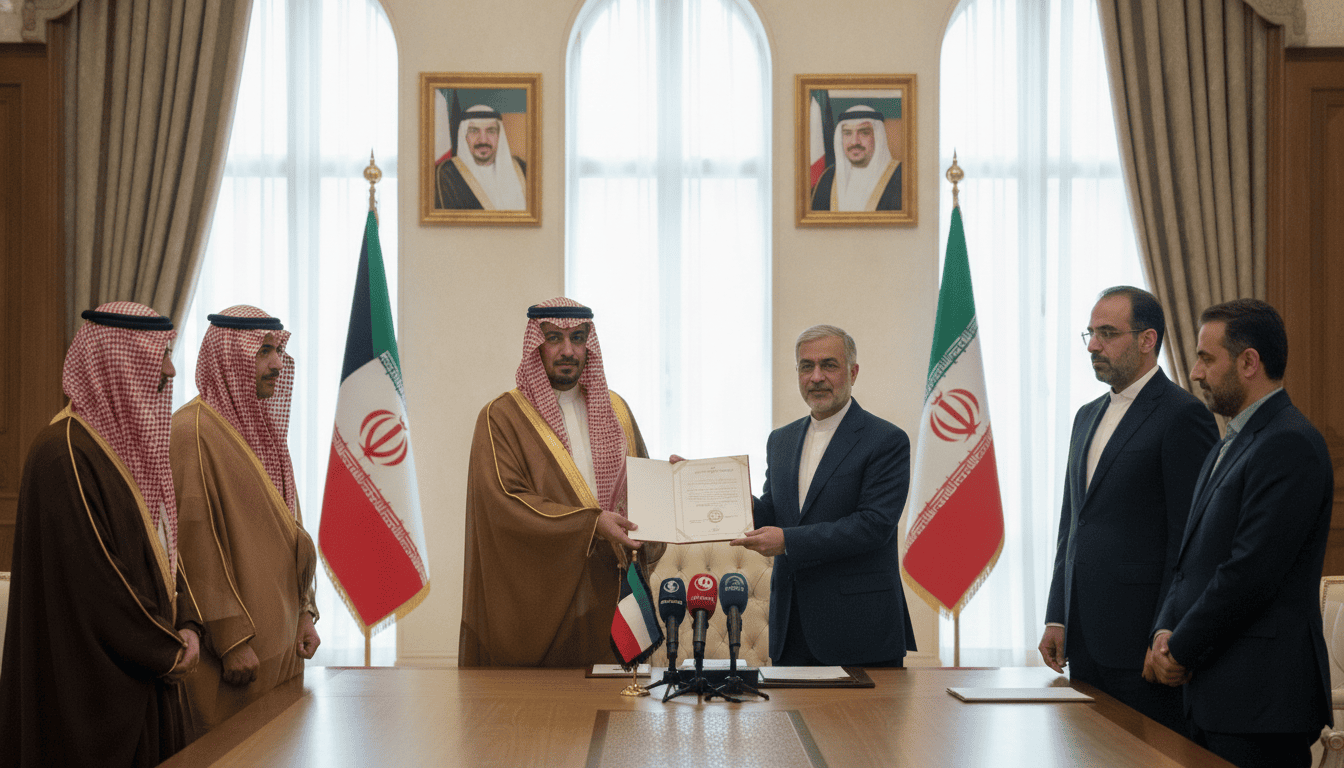
The Kuwaiti deputy foreign minister, Hamad al-Mashan, summoned Iranian ambassador Mohammad Totonji and presented a formal protest note, the foreign ministry said in an official statement. Kuwait described the action as a response to what it characterized as Iran’s targeting of a Kuwaiti-flagged tanker while the vessel was transiting the Strait of Hormuz.
The ministry did not provide further operational details in its announcement but framed the summons and protest as a bilateral diplomatic measure. The presentation of a protest note is a standard diplomatic step to record concerns and request explanations when a state believes an attack on its vessel has occurred.
Account of the Incident in the Strait of Hormuz
Kuwait said the incident occurred in the Strait of Hormuz, a strategic chokepoint through which a significant share of the world’s seaborne oil passes. The statement linked the alleged action to Iran without including a detailed account of the method, timing, or specific location of the strike.
Independent verification of the targeting and its precise circumstances was not included in the ministry release. International maritime authorities and shipping operators often monitor such incidents, but the Kuwaiti statement serves as the primary account of the event at this stage.
Casualties and Crew Status
Kuwait’s announcement said several crew members were injured as a result of the attack, without specifying numbers, nationalities, or the severity of their injuries. The ministry did not disclose whether the injured received on-board medical care or were evacuated to shore for treatment.
Shipping companies typically provide crew manifests and medical updates through their operators and insurers, and further information may emerge as those channels communicate with authorities. For now, the welfare of the crew remains a central concern cited by Kuwaiti officials.
Diplomatic Exchanges in Kuwait City
By summoning Ambassador Mohammad Totonji, Deputy Foreign Minister Hamad al-Mashan signaled Kuwait’s intent to seek answers and register formal displeasure at a high diplomatic level. Presenting a protest note is intended to create an official record and to demand clarification or remedial measures from Tehran.
Kuwaiti officials may pursue follow-up steps depending on Iran’s response, which could range from a formal explanation to additional diplomatic engagement. The move also places pressure on Tehran to address allegations and on regional partners to monitor any escalation in diplomatic tensions.
International and Regional Reactions
Incidents involving commercial vessels in the Strait of Hormuz often draw attention from regional and global stakeholders because of the waterway’s strategic importance. Shipping insurers, maritime security firms, and navies operating in the area typically adjust advisories and patrol patterns after such reports.
At this stage, public international responses have not been detailed in the Kuwaiti statement, but governments with nationals at sea or with commercial exposure to Gulf shipping lanes are likely to follow developments closely. Any confirmed attack on a flagged vessel is liable to prompt statements from allied states, industry groups, and maritime agencies.
Implications for Shipping and Maritime Security
A reported attack on a Kuwaiti tanker in the Strait of Hormuz could increase insurance premiums, alter routing decisions, and raise operational costs for tankers transiting the Gulf. Shipowners and charterers monitor security risks closely and may seek additional protections or reroute to avoid high-risk areas if the threat level rises.
Longer-term implications depend on verification, attribution, and the diplomatic fallout between Kuwait and Iran. If tensions escalate, broader measures such as enhanced naval escorts, coordinated international monitoring, or new security advisories could follow, affecting global energy markets and freight flows.
Kuwait’s formal protest and the reported injuries to seafarers highlight the fragile mix of maritime commerce and geopolitics in the Gulf, and the coming days are likely to see efforts by regional and international actors to clarify what happened and to prevent further harm.
