
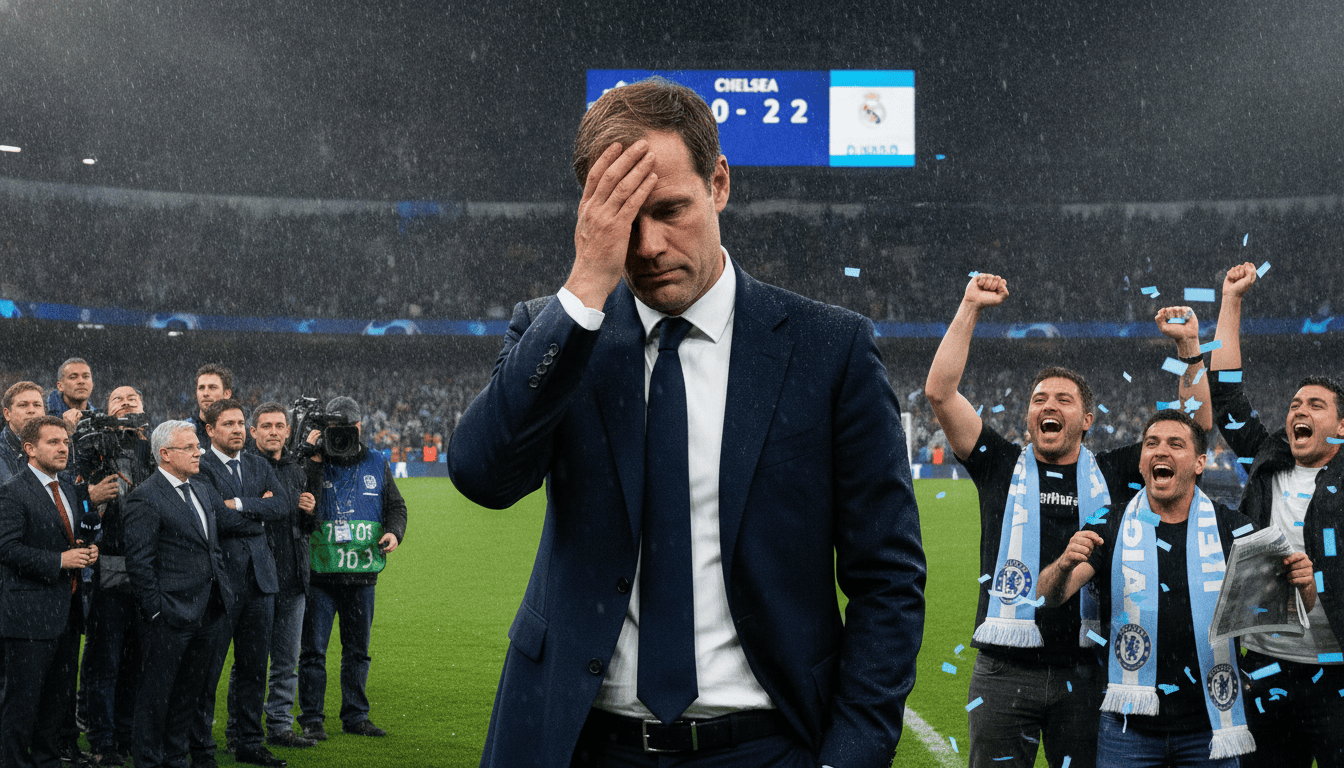
Thomas Tuchel under fire after England’s World Cup semi-final defeat; Schweinsteiger names unexpected Klopp alternative
Thomas Tuchel faces sharp English media criticism after England’s World Cup semi-final defeat to Argentina; Schweinsteiger names an unexpected Klopp alternative.
England’s World Cup campaign ended in a dramatic semi-final loss to Argentina on July 15, 2026, a result that has focused intense scrutiny on Thomas Tuchel’s in-game decisions. Tuchel’s tactical changes after England took the lead have been widely debated in the British press, while Argentina’s players and sections of their media celebrated the victory in a charged atmosphere. (apnews.com)
Tuchel’s tactical switch and the turning point
Tuchel’s decision to alter England’s shape after going ahead — introducing more defensive personnel and reshaping the back line — is being cited by many commentators as the central turning point of the match. Critics argue the changes invited sustained Argentine pressure and ultimately contributed to the equaliser and late winner. (goal.com)
Those defenders of the coach note that managers often face a difficult balance between protecting a lead and maintaining attacking momentum, and that match context can make hindsight especially unforgiving. Tuchel himself later said he stood by his substitutions even as he accepted responsibility for the defeat. (sports.yahoo.com)
English press reaction and pundit backlash
National newspapers and broadcast pundits in England responded sharply, with several outlets questioning the timing and nature of Tuchel’s substitutions. Columnists framed the tactical retreat as avoidable and some analysts argued the team lacked an attacking plan after the changes were made. (goal.com)
Broadcast reaction on social media and live radio amplified the debate, with former players and commentators dissecting minutes and personnel decisions. The immediacy of post-game coverage has intensified public scrutiny, turning the manager’s choices into a central narrative of England’s exit. (goal.com)
Tuchel publicly defends his choices
In post-match comments, Tuchel dismissed suggestions that he regretted his tactical approach and urged caution about judging decisions made in real time. He acknowledged England became “too passive” at points but stressed he made the calls he believed gave his side the best chance to progress. (sports.yahoo.com)
The coach also pointed to individual execution and game management by players as factors in the result, reminding reporters that responsibility is shared across staff and squad. Several former coaches and colleagues publicly offered measured defenses of Tuchel’s overall record, arguing that one match should not erase broader accomplishments. (uk.sports.yahoo.com)
Argentina’s celebration and the Falklands banner controversy
Argentina’s celebrations were exuberant both on the pitch and in Buenos Aires, but they carried a political edge when players and some supporters displayed a banner reading “Las Malvinas son Argentinas” (The Falklands are Argentine). The image sparked immediate diplomatic and regulatory commentary because FIFA’s rules bar politically charged displays at tournament matches. (thestar.com.my)
FIFA and tournament organisers indicated they would review the matter, and reports noted the gesture could prompt sanctions for the association or individuals involved. The episode underlined how historical tensions can resurface around high-profile fixtures between the two nations. (apnews.com)
German debate over the national team and Schweinsteiger’s intervention
While attention in England remained fixed on Tuchel, Germany’s football debate has continued to centre on the DFB’s coaching search, with Jürgen Klopp widely reported as the federation’s preferred candidate. In that conversation, former German international Bastian Schweinsteiger added an unexpected dimension by naming veteran figures when asked about alternatives to Klopp. His remarks fed a wider discussion about how the DFB should manage a structural rebuild rather than rely on a single marquee appointment. (taketonews.com)
Media coverage in Germany has reflected scepticism about a rapid appointment process and urged broader planning for the national side’s long-term development. Schweinsteiger’s comments were framed by many outlets as a call for calm and for exploring a range of experienced candidates. (sport1.de)
What comes next for England and Tuchel
England’s elimination leaves questions about squad composition, substitutes strategy and in-match risk management that the FA and Tuchel will need to address. The immediate focus for the coaching staff will be a post-tournament review of tactical choices, player psychology and how to translate tournament performances into a resilient long-term programme. (uk.sports.yahoo.com)
For Tuchel personally, the coming days will be critical in shaping public perception: some voices will call for continuity given his broader credentials, while others will press for structural change. The outcome of that debate will hinge on frank internal assessment by the FA and the coach’s own evaluation of the decisions that shaped the semi-final result. (goal.com)
England’s exit, the ensuing media storm around Thomas Tuchel, the politically charged scenes from Argentina’s celebrations, and the wider European discussion about coaching alternatives together mark a volatile moment in international football. The debate now shifts from the site of the match to boardrooms and pundit panels, where the lines between tactical judgement, national expectation and historical sensitivity will be re-examined.
