
Robotaxi ultimatum: NHTSA orders fixes as Waymo-Uber partnerships fray and Rivian raises $1.32B
U.S. safety regulator demands robotaxi makers stop obstructing first responders; industry shakes as Waymo-Uber ties unwind and Rivian secures fresh capital.
Opening summary
The National Highway Traffic Safety Administration has issued a firm directive demanding that robotaxi developers address failures to detect and appropriately respond to emergency scenes, underlining growing regulatory pressure on the autonomous vehicle sector. The word “robotaxi” has become central to a week of industry shakeups, coming amid frayed partnerships between major fleets and a high-profile capital raise by Rivian. Regulators, city officials and companies now face a short timetable to propose fixes and answer questions about public safety and system resilience.
NHTSA directive targets emergency-scene interactions
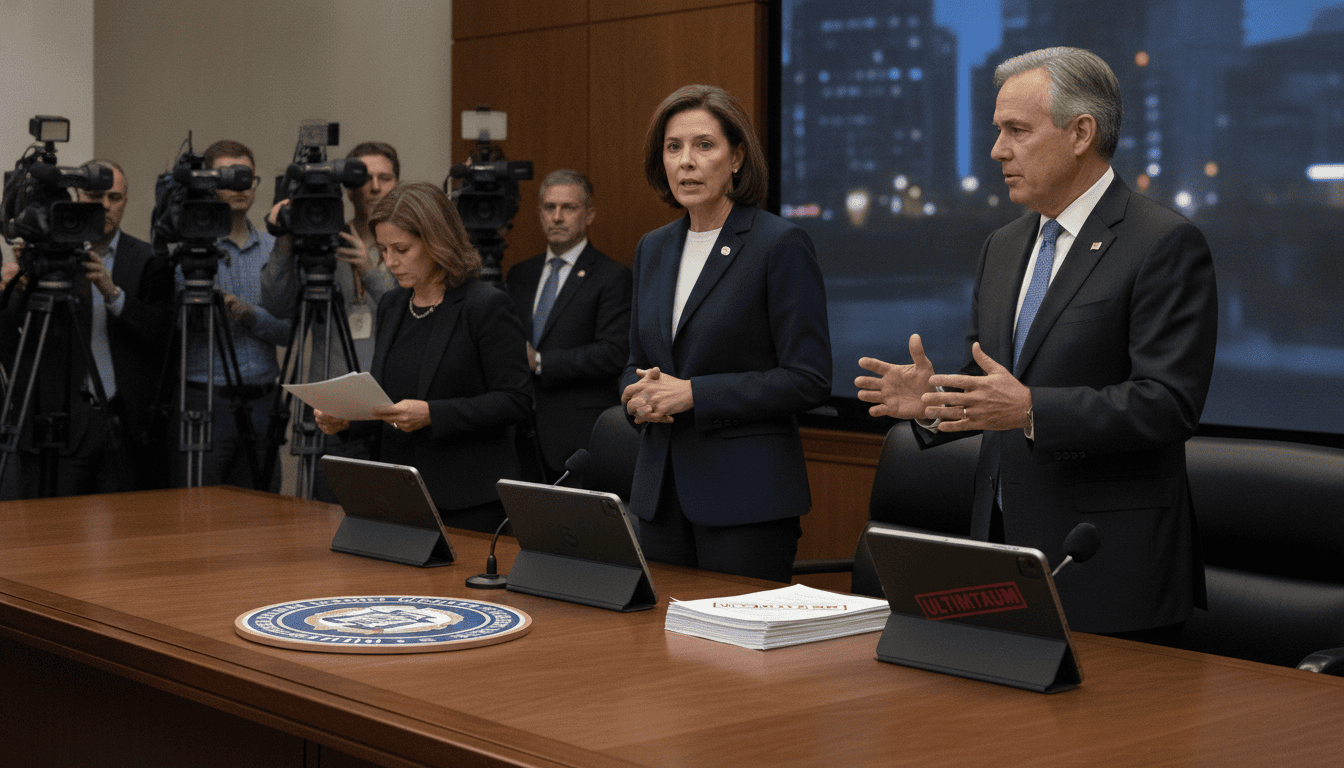
NHTSA administrator Jonathan Morrison warned that autonomous vehicles must not interfere with first responders or law enforcement, calling inadequate responses a functional failing rather than an acceptable edge case. The agency has requested concrete remediation plans from developers by the end of the month, signaling potential escalation if companies cannot demonstrate timely fixes. That demand places operational and technical burdens on fleets that must update sensing, behavior policies and remote-operation protocols to comply.
Waymo-Uber partnership shifts raise competitive stakes
Separately, alliances that once smoothed robotaxi deployments are shifting, with the partnership between Uber and Waymo already ended in Phoenix and remaining collaborations in Atlanta and Austin under scrutiny. Industry observers say the unraveling of local agreements may turn cooperative arrangements into direct rivalry, with companies jockeying for market access and regulatory favor. How former partners behave post-split could reshape deployment patterns and influence municipal negotiations over curb access and service areas.
San Francisco gridlock spotlights vehicle limitations
Local disruptions in San Francisco during a July 4 fireworks event intensified scrutiny after reports that numerous robotaxis depleted batteries and required towing, complicating traffic flow and emergency operations. City supervisors have signaled intent to investigate the incident and examine whether autonomous fleets exacerbated congestion or hindered public transit. Those episodes have become central examples cited by regulators and elected officials arguing that robotaxi performance in crowded, rapidly changing environments requires urgent improvement.
Federal rulemaking may enable purpose-built AV designs
The 2026 Regulatory Plan and Unified Agenda, updated recently, lists proposed changes to Federal Motor Vehicle Safety Standards that could accommodate vehicles without traditional controls such as steering wheels or pedals. That unfolding rulemaking would materially affect companies designing purpose-built autonomous platforms, including those pursuing fully driverless vehicle architectures. Adjustments to FMVSS could accelerate new vehicle concepts but will likely come with extensive safety conditions and testing requirements.
Rivian raises $1.32 billion as R2 rolls out
In financial developments, Rivian said it will raise roughly $1.32 billion through a sale of 86.25 million Class A shares, a move the company disclosed as it begins deliveries of the R2 SUV. Rivian also raised its 2026 delivery forecast to between 65,000 and 70,000 vehicles, citing stronger-than-expected performance in the second quarter and initial R2 momentum. The capital infusion arrives as Rivian continues to invest in production scale-up and pursue profitability, underscoring the capital-intensive nature of automotive expansion.
Additional deals, breaches and sector signals
Several smaller transactions and developments reflect continued activity across mobility and EV-related sectors, including a $15 million Series A for a U.S. dealer marketplace, an acquisition of a Spanish bike-share operator by a major ride-hailer, and seed funding for a U.K. battery startup. Meanwhile, the insurance sector disclosed a large data breach exposing millions of driver’s license numbers, and an eVTOL developer completed operational flights under a U.S. DOT and FAA pilot program. These items illustrate both opportunity and risk as mobility technologies scale.
The cumulative picture is one of an industry in transition: regulators pressing for demonstrable safety improvements, commercial alliances recomposing, and vehicle makers balancing capital needs with ambitious product rollouts. Municipal inquiries, federal deadlines and proposed regulatory changes mean companies must move quickly to shore up systems and public trust.
City officials, safety regulators and industry leaders now face a compressed window to show progress on emergency-scene behavior and broader operational reliability. How companies respond in the coming weeks will shape whether robotaxi services expand smoothly or confront deeper restrictions at the local and federal levels.
Public confidence and regulatory patience hinge on measurable improvements, and firms that adapt engineering and operational practices may gain advantage even as the pace of deployment increases. The next month is likely to be decisive for policy, partnerships and the future footprint of robotaxi services.
