
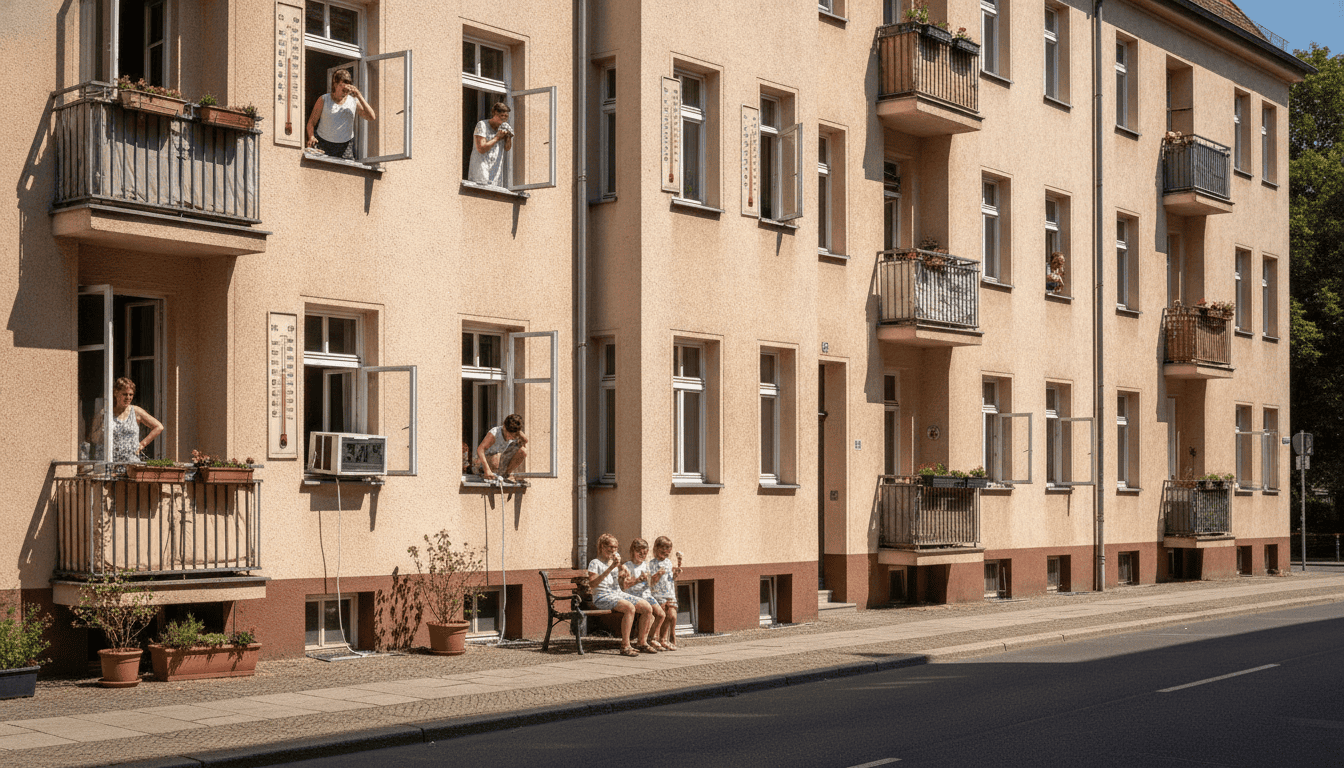
German homes hit 30°C as Tado data shows majority of dwellings overheated in late June 2026
Tado data shows over 60% of German homes reached 30°C during late June 2026 heat days, exposing overheating risks in attics, south-facing flats and properties without shade.
Germany’s housing stock experienced widespread overheating during the late June 2026 heat days, with figures from thermostat manufacturer Tado indicating that more than 60% of homes registered indoor temperatures of 30°C or higher. The trend—particularly severe in top-floor apartments and dwellings with large south-facing glazing—left many households relying on fans or altering daily routines to cope. The data raises immediate concerns about comfort, energy use and the capacity of existing housing to withstand hotter summers.
Tado figures and what they show
Tado, a maker of smart thermostats and heating controls, reported aggregated temperature readings that point to unusually high indoor heat across much of Germany during the late June heat days. The company’s numbers suggest that on the hottest days a clear majority of sampled homes exceeded the 30°C threshold, a level commonly associated with significant discomfort and higher risk for vulnerable people. While the dataset comes from households using Tado devices and therefore is not a full census of all residences, the scale and consistency of the readings indicate a systemic overheating problem during the peak heat period.
Housing types most affected by indoor heat
Top-floor apartments under pitched roofs emerged as particularly prone to reaching 30°C and above, according to the observations reflected in the data. Homes with large, floor-to-ceiling windows, southern exposure and little tree cover in front of the building also heated rapidly, while shaded or naturally ventilated dwellings tended to remain cooler. These patterns highlight how basic building features—roof position, window size and orientation, and surrounding greenery—can strongly influence indoor temperatures during short but intense heat episodes.
Everyday impacts and behavioral changes
Residents coping with indoor temperatures at or above 30°C described changes to daily life, including increased use of fans at tables during family activities and shifting mealtimes or food preparation to cooler parts of the day. High indoor heat can disrupt sleep, reduce productivity and increase use of electrical cooling devices, which in some cases meant running fans at full speed or investing in portable air conditioners. For older adults, young children and people with existing health conditions, sustained indoor heat raises additional health and safety concerns that many households found difficult to manage without structural cooling.
Energy, cost and equity implications
Rising indoor temperatures are prompting higher demand for cooling that can strain household budgets and the electricity grid, especially in residences without built-in air conditioning. Many German buildings were constructed without summer cooling in mind, leaving lower-income and renting households at greater risk of overheating and related costs. The uneven distribution of cooling options—such as the ability to install exterior shutters, trees for shade, or air-conditioning units—creates an equity dimension that policy makers and housing providers will need to confront as heat events become more frequent.
Practical measures households can adopt now
Simple interventions can reduce indoor temperatures without major renovation, including closing blinds and external shutters during daytime heat, ventilating at night when outdoor temperatures fall, and using reflective window films where appropriate. Planting trees or installing shade structures can lower solar gain on façades, while temporary solutions such as awnings, window screens and correctly positioned fans can offer immediate relief. For longer-term resilience, improving roof insulation, adding external shading and upgrading glazing are effective but require investment and planning.
Implications for building policy and planning
The widespread overheating signaled by Tado’s late June 2026 readings underscores a growing need to adapt building standards, urban planning and retrofit programs to hotter summers. Advocates point to measures such as stronger rules on thermal performance, incentives for passive-cooling retrofits, and urban greening to reduce the heat island effect. Social housing and vulnerable-population programs may need targeted funding to ensure those least able to adapt are protected from elevated indoor temperatures.
As climate patterns shift and extreme heat becomes more common, the episode in late June 2026 shows that large parts of the German housing stock are not yet prepared for sustained high indoor temperatures. German homes hit 30°C in large numbers during that spell, and preventing similar impacts in future summers will require coordinated action from households, landlords, builders and policy makers to improve shading, ventilation and thermal design.
