
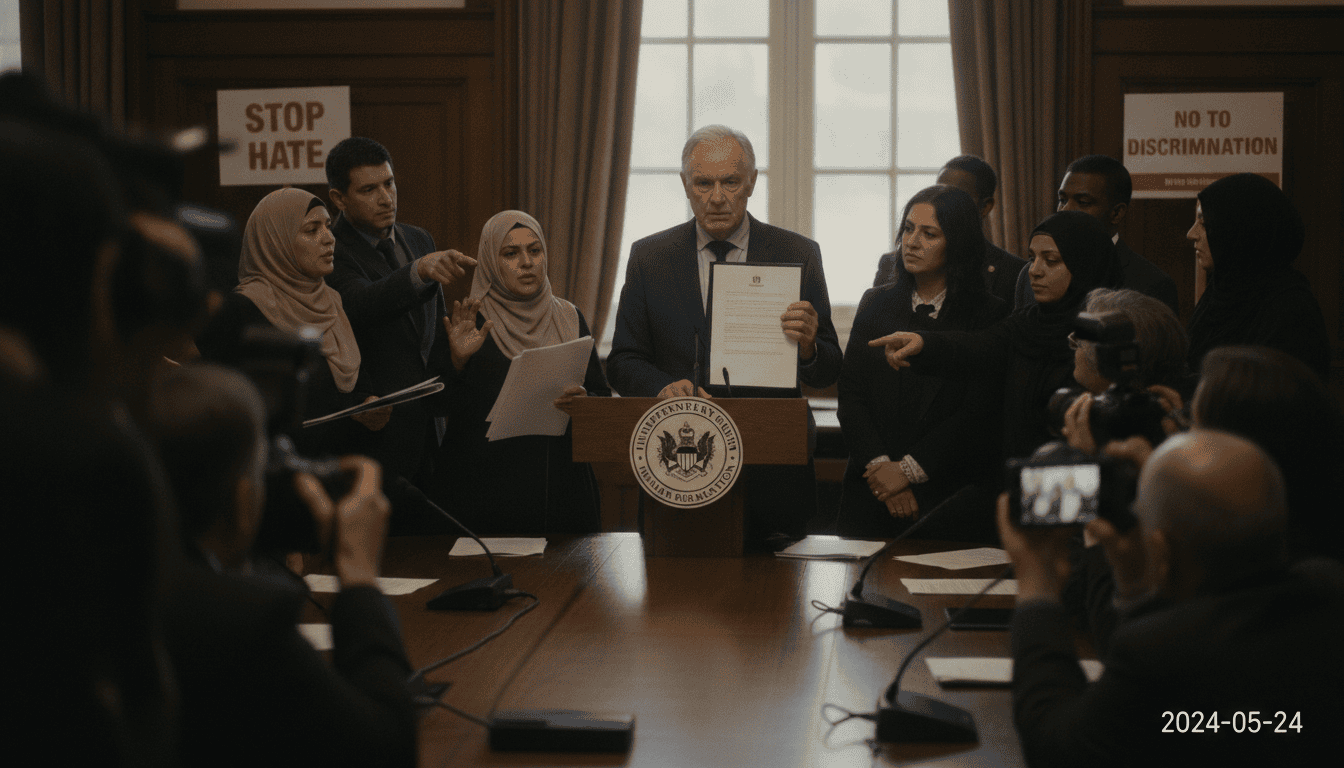
Rupert Lowe ‘rape gangs’ inquiry branded anti-Muslim propaganda by critics
Critics call the Rupert Lowe inquiry anti-Muslim propaganda: a crowdfunded, non‑statutory report using contested sources that provoked violence and outrage.
Report accused of anti-Muslim propaganda
The Rupert Lowe inquiry has been widely denounced as anti-Muslim propaganda by survivors, journalists and community groups. Critics say the report presents conclusions that were predetermined and framed child protection rhetoric to argue for the removal of a religious minority. The inquiry was launched by a sitting MP and has reignited debates about the boundaries between investigation and political campaigning.
Many commentators argue the document repackages long-standing prejudices about British Muslims and presents them as an existential threat to public safety. Those who exposed historic abuses, they say, are alarmed that legitimate investigations have been repurposed to support a punitive political agenda. The allegation is that child protection has been used as a cover for proposals that target an entire community.
Private, crowdfunded inquiry with no statutory authority
The inquiry was assembled outside formal legal frameworks and funded through public donations rather than government channels. It did not possess statutory powers, independent oversight, peer review or the legal authority to compel testimony or access files. That structure has prompted questions about its methodology, accountability and the robustness of its findings.
Observers note the difference between statutory inquiries, which operate under legal safeguards and scrutiny, and ad hoc private reports that can reflect their funders’ priorities. The inquiry’s private status has made it difficult for critics to assess how evidence was gathered or verified. Opponents argue that the absence of established safeguards undermines the credibility of any sweeping claims it contains.
Contested sources and disputed statistics
Reviewers of the report point to a number of sources they say are unreliable or ideologically motivated, including self-published works and figures linked to anti-Islamic campaigns. The inquiry also relied on testimonies and promotional materials that critics say lack independent corroboration. Those choices have fueled accusations that the report selectively used evidence to support a preordained narrative.
Statistical claims in the document have been challenged on arithmetic and methodological grounds. Analysts note the report’s own figures indicate a larger proportion of group-based offenders identified as white than as Pakistani in recorded cases, a detail critics say undermines the central thesis. Opponents contend the report gives minimal attention to cases that do not fit its headline narrative.
Survivors and journalists say focus was diverted
Several survivors of child sexual exploitation have told journalists and campaigners that the inquiry failed to centre their experiences and instead amplified political talking points. Some survivors say their words were repurposed to support arguments about immigration and cultural incompatibility rather than to secure justice or reform institutions. Former reporters responsible for exposing abuses have also warned their investigations are being reframed for political ends.
Veteran journalists who first documented patterns of abuse have publicly expressed concern that their work has been stripped of its nuance and caveats. They argue that careful reporting about institutional failings is being converted into a broad brush indictment of an entire faith community. Survivors’ groups have likewise criticised approaches that emphasise nationality or religion over accountability and safeguarding.
Violence and political fallout after publication
The release of the report was followed by a series of violent incidents and heightened tensions in several communities, according to police and local accounts. In one widely reported episode, an assailant attacked worshippers after prayers and shouted about protecting children from Muslim men, an attack that critics directly connected to the rhetoric of the inquiry. Community leaders said such incidents reflected a transmission of hostile messaging from political forums into the streets.
Parliamentary debate has turned to questions of official response and protection for minority communities, with some MPs urging emergency briefings and others defending the inquiry’s right to raise issues. Campaigners for Muslim communities highlighted a perceived imbalance in the speed and intensity of state responses compared with attacks on other groups. The episode has intensified scrutiny of political language and its potential to inflame social divisions.
Calls for accountability and scrutiny
In the wake of the controversy, legal experts, civil society organisations and some politicians have called for closer scrutiny of privately produced inquiries that address public safety and social cohesion. Recommendations range from independent reviews of methodology to clearer transparency on funding and authorship. Advocates for survivors say any future investigations must prioritise safeguarding standards and survivor-centred processes.
Those defending the inquiry argue it raises uncomfortable questions about institutional failure and should be debated on its merits, while critics insist that evidence must be examined through impartial mechanisms. The dispute has prompted renewed calls for statutory investigations where necessary and for independent commissions to analyse patterns of abuse without conflating them with cultural or religious identities.
The debate over the Rupert Lowe inquiry underscores deep anxieties about how Britain confronts historic abuse, balances free inquiry with responsibility, and protects minority communities from collective blame, as calls for clearer frameworks and survivor-focused accountability grow louder.
