
Over 900 Arrested as Antimigrant Protests Sweep South Africa
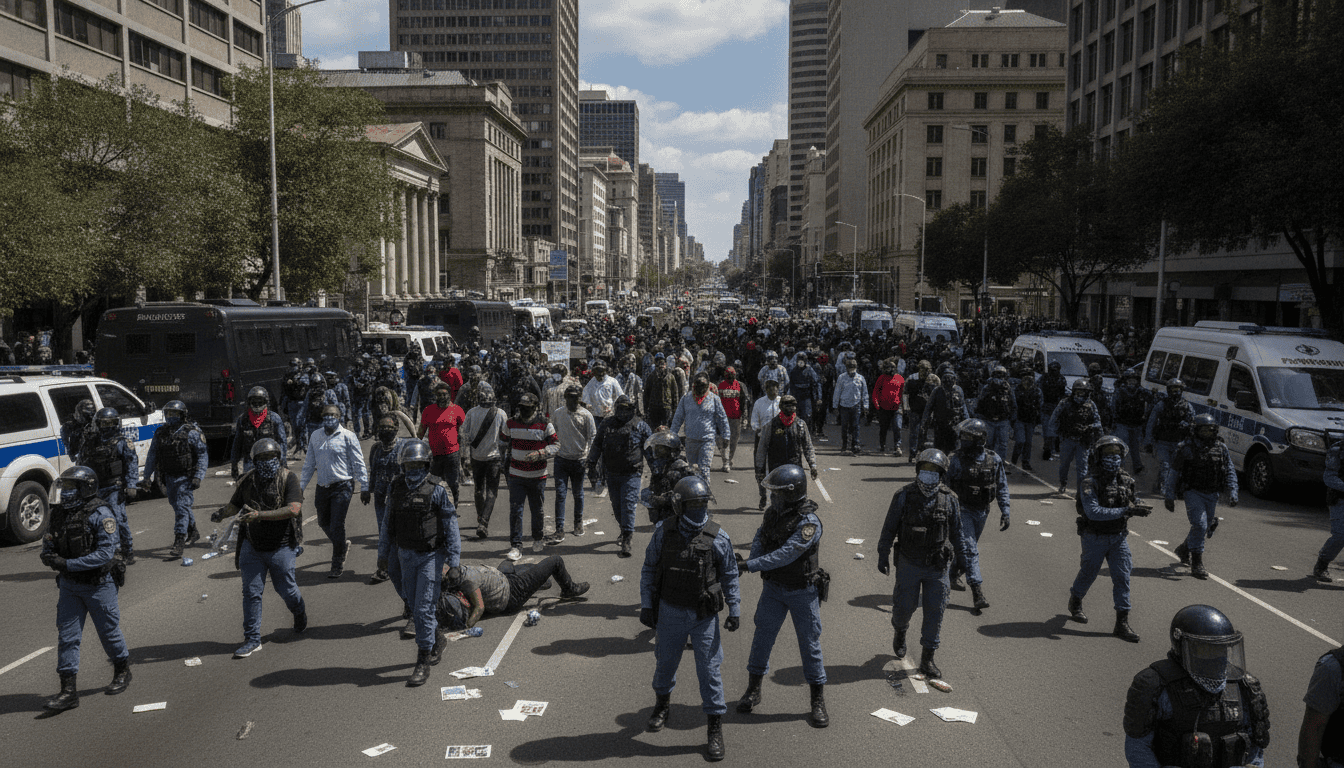
Antimigrant protests in South Africa on June 30, 2026, resulted in more than 900 arrests, scattered looting and at least one fatal shooting, authorities said. The demonstrations, organized by a coalition of civil society groups, combined large peaceful marches with violent episodes that prompted police and military deployments. Nationwide figures and provincial tallies were released by police officials as the government sought to calm tensions and condemn vigilante actions.
Mass arrests after countrywide antimigrant protests
Deputy National Police Commissioner Tebello Mosikili told reporters on July 1, 2026, that police detained over 900 people in connection with demonstrations held across the country on Tuesday, June 30. He said charges ranged from public violence and robbery to alleged immigration violations, with arrests concentrated in several provinces.
Mosikili said 120 separate marches were recorded, of which 108 proceeded without incident and 12 required police intervention. He cautioned that investigations were ongoing and that further arrests or charges could follow as police sift through evidence and witnesses.
Provincial hotspots and arrest tallies
The Western Cape recorded the highest number of detentions, with 215 people taken into custody, followed by 208 arrests in the Eastern Cape, officials reported. Other provinces also logged significant numbers, reflecting the geographically broad nature of the unrest.
Police statements emphasized that the balance of the marches was peaceful, but that localized criminality — including looting and property damage — drove many of the arrests. Authorities said they would prioritize cases involving violence and firearms.
Violence in Johannesburg townships and inner city
Alexandra township, in Johannesburg, saw one person shot dead late on Tuesday during the looting of informal foreign-owned corner shops known as spaza shops. Police confirmed the fatality and said multiple inquiries had been launched to identify suspects and determine the circumstances of the shooting.
Soldiers were also dispatched to Johannesburg’s Hillbrow after a separate shooting wounded two people, including a 17-year-old, prompting concerns about escalation in dense urban neighborhoods. Local officials said they were working to restore order while urging residents to avoid taking matters into their own hands.
Durban marchers demand stricter border control
In Durban thousands of demonstrators chanted “Abahambe!” — Zulu for “They must go” — as they pressed for tougher measures on undocumented migration. The protests in the coastal city were led in part by the March and March movement, one of more than 20 civil society groups that organized the nationwide action.
March and March leader Jacinta Ngobese-Zuma said the coalition would continue weekly demonstrations on Thursdays until the government implemented stronger border management policies. Organizers framed the rallies as a demand for state action on perceived pressures on services and employment.
President Ramaphosa holds emergency talks with organisers
President Cyril Ramaphosa convened an emergency meeting on Monday, June 29, 2026, with key protest organizers to urge calm and discuss their grievances. The presidency said Ramaphosa acknowledged public concerns about illegal immigration, border control and strain on public services, while insisting the rule of law must prevail.
Government officials publicly warned that any form of vigilantism or unlawful intimidation would not be tolerated and that law enforcement would act to prevent violence. At the same time, the administration signaled willingness to engage on policy responses to bottlenecks in migration and asylum processing.
Human rights groups decry scapegoating of migrants
Human rights organizations, including Amnesty International South Africa, condemned the targeting of migrants and urged authorities to protect vulnerable communities. They argued that migrants are being made scapegoats for deep structural problems such as unemployment and failures in public service delivery.
Rights groups called for measured, rights-respecting enforcement and for political leaders to address the socioeconomic drivers behind the protests. They also urged independent investigations into incidents of violence and transparent prosecutions where criminality is found.
The demonstrations reflect a volatile mix of public frustration over services and migration policy, organized civil society pressure for tougher controls, and opportunistic criminality that turned some marches violent. As prosecutions and inquiries proceed, officials face pressure to restore order while addressing the underlying complaints that drove thousands into the streets.
