
Amnesty Accuses Rapid Support Forces of Crimes Against Humanity in El-Fasher
Amnesty accuses Sudan’s Rapid Support Forces of crimes against humanity and ethnic cleansing in El-Fasher after a long siege, mass killings and displacement.
The Rapid Support Forces have been accused of committing crimes against humanity and ethnic cleansing in and around El-Fasher, Amnesty International said in a report published on July 1, 2026. The rights group alleges the RSF carried out systematic killings, torture, detention and sexual violence during assaults between early 2024 and October 2025. The report frames the campaign as a deliberate attack on civilian populations in North Darfur’s capital and surrounding towns.
Amnesty report details abuses in El-Fasher
Amnesty said it interviewed 246 people for the investigation, including 208 survivors—169 adults and 39 children—who provided first-hand accounts of violence and deprivation. The organization documented a catalogue of alleged crimes: murder, forcible transfer, imprisonment, torture, rape, sexual slavery, enslavement, extermination and persecution. Amnesty’s secretary-general described the pattern of abuses as constituting crimes against humanity and accused the RSF of targeting ethnic communities.
Amnesty also recorded specific timelines and locations of the abuses, noting repeated attacks on towns and villages around El-Fasher from May 2024 through October 2025. The report describes a sustained pattern rather than isolated incidents, with interviews pointing to coordinated offensives and deliberate restrictions on aid. Those findings underpin the group’s conclusion that the events amount to ethnic cleansing of the Zaghawa and other communities.
Patterns of attack and targeted communities
The report says the RSF repeatedly struck areas predominantly inhabited by the Zaghawa ethnic group and other local populations, often carrying out raids, summary executions and looting. Survivors recounted houses being burned, civilians rounded up and men and women taken into detention where abuse followed. Humanitarian and human-rights sources cited in the report raise concerns that the tactics used were designed to compel mass departures from ancestral lands.
A UN independent fact-finding mission concluded in February that the October 2025 assault on El-Fasher bore the “hallmarks of genocide,” a finding that Amnesty’s report cites in assessing the scale and intent of the violence. Both the UN mission and Amnesty stress that attacks were not confined to battlefronts but targeted non-combatants, undermining any claim that civilian suffering was incidental to military operations.
Siege, starvation and collapse of services
Amnesty documents that El-Fasher was effectively besieged from May 2024 to October 2025, with the RSF restricting food and humanitarian assistance while regularly shelling populated areas. The report links continued bombardment and blockages of aid corridors to widespread food shortages and the collapse of public services. The siege environment, it says, forced residents to rely on contaminated or inadequate food sources; in some cases families resorted to eating ambaz, a peanut oil byproduct usually used for animal feed.
Local health services and humanitarian agencies were hampered by insecurity and access constraints, leaving the most vulnerable without treatment or shelter. The denial of essential goods and medical care is presented by Amnesty as part of the broader pattern of collective punishment that intensified civilian suffering throughout the siege period.
Human toll: executions, displacement and children affected
Following a final RSF offensive on October 26, 2025, Amnesty reports that hundreds of civilians were executed and many others tortured or unlawfully detained, with one survivor describing seeing nearly 1,000 dead bodies. The investigation highlights massive internal displacement, estimating that hundreds of thousands of children were forced to flee, many repeatedly, and that countless youths became orphaned. People with disabilities and older adults faced acute risks, including abandonment and exclusion from aid, the report says.
Across Sudan, the wider conflict between the army and the RSF since April 2023 has killed tens of thousands and displaced nearly 14 million people, according to UN figures cited by Amnesty. The organization emphasizes the long-term psychological and social impacts on children who witnessed or survived extreme violence, noting that trauma and disrupted education will affect generations.
Calls for international intervention and a ceasefire
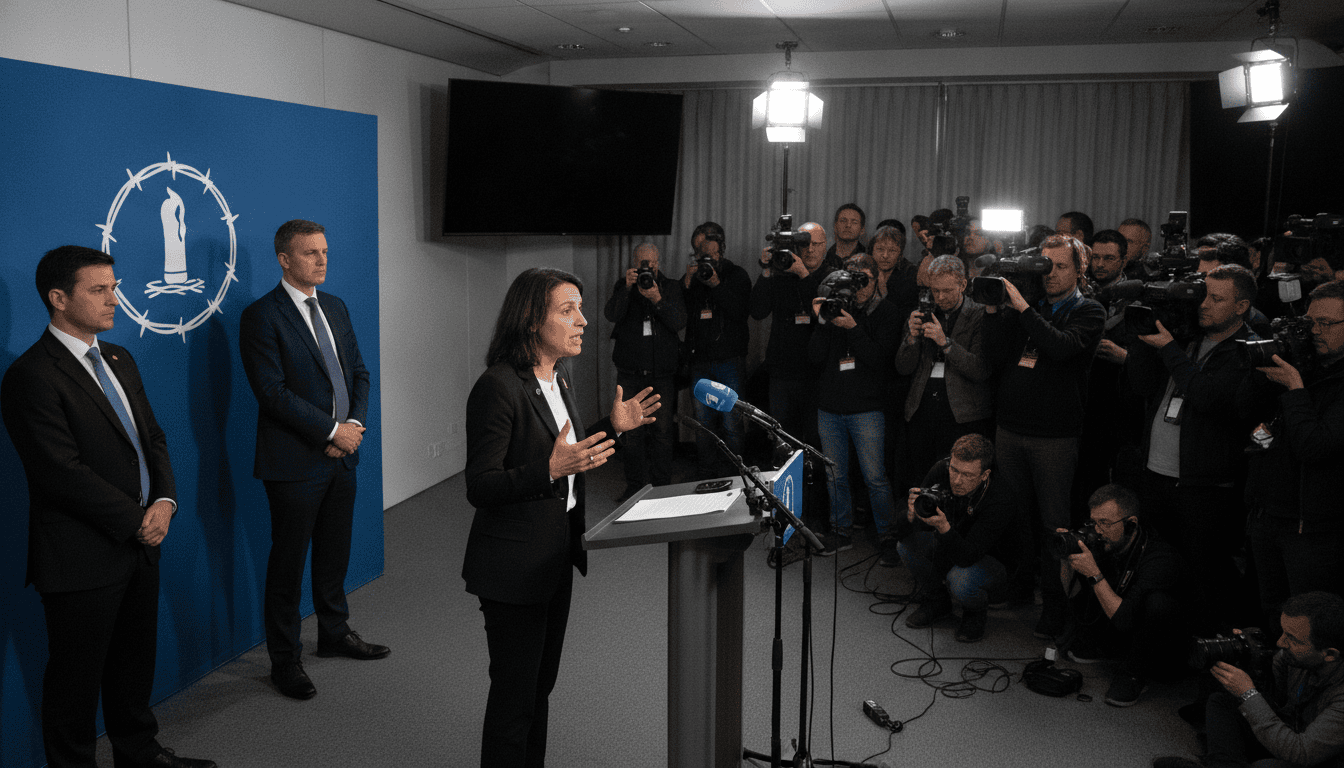
Amnesty’s secretary-general, Agnes Callamard, said the campaign amounted to a “war on civilians” and urged an immediate nationwide ceasefire to halt further abuses. The report calls for deployment of an independent, adequately resourced international force to protect civilians and ensure humanitarian access across conflict zones. Amnesty warned that, without urgent action from the international community, attacks on civilians and the catastrophic effects on children will continue unabated.
The rights group follows that appeal with specific demands for unrestricted aid corridors, protection for displaced populations, and safe spaces for medical and psychosocial assistance. It also urged donor states and multilateral institutions to prioritize relief and protection funding for Darfur while pressing for accountability.
Legal implications and prospects for accountability
The allegations of crimes against humanity and ethnic cleansing raise distinct legal questions that could trigger international investigations and prosecutions, experts say. Amnesty’s documentation—based on survivor testimony, witness interviews and corroborating evidence—could feed into inquiries by UN mechanisms, the International Criminal Court, or other accountability processes. Legal analysts caution that securing accountability will require preserved evidence, protected witnesses and sustained diplomatic pressure to enable impartial investigations.
Amnesty and other observers stress that full accountability depends on cooperation from states and institutions with jurisdiction and the political will to pursue cases amid continued instability. Even as legal processes advance, immediate measures to protect civilians and restore humanitarian access remain critical to preventing further loss of life.
The report underscores a persistent and urgent humanitarian crisis in and around El-Fasher and frames the alleged actions of the Rapid Support Forces as part of a wider campaign with devastating human consequences. International actors now face competing demands to provide protection, ensure relief and pursue accountability while the civilian population continues to live with the legacy of violence and displacement.
