
Heatwaves drive surge in demand for air conditioners in Germany, causing stockouts and installer backlogs
Air conditioners in Germany are experiencing a sharp rise in demand as recent heatwaves push consumers toward portable units and permanently installed split systems, leaving retailers and installers struggling to keep pace. Retailers report frequent “back soon” notices for mobile units, while specialist firms say their schedules are fully booked with service calls and new-install requests. Industry associations and weather authorities warn the trend is likely to continue as summers grow hotter and longer.
Retailers warn customers to buy now as mobile units run short
Media Markt Saturn and other electronics chains have repeatedly displayed “this item will be available soon” messages on portable air conditioners as consumer interest climbs. A company spokesperson told local media that manufacturers’ production capacity is limited, constraining the volume retailers can reorder and prompting a recommendation to purchase sooner rather than later. Shoppers searching for immediate cooling solutions are increasingly confronted with thin stocks and longer wait times for deliveries.
Service calls for existing systems are saturating installer schedules
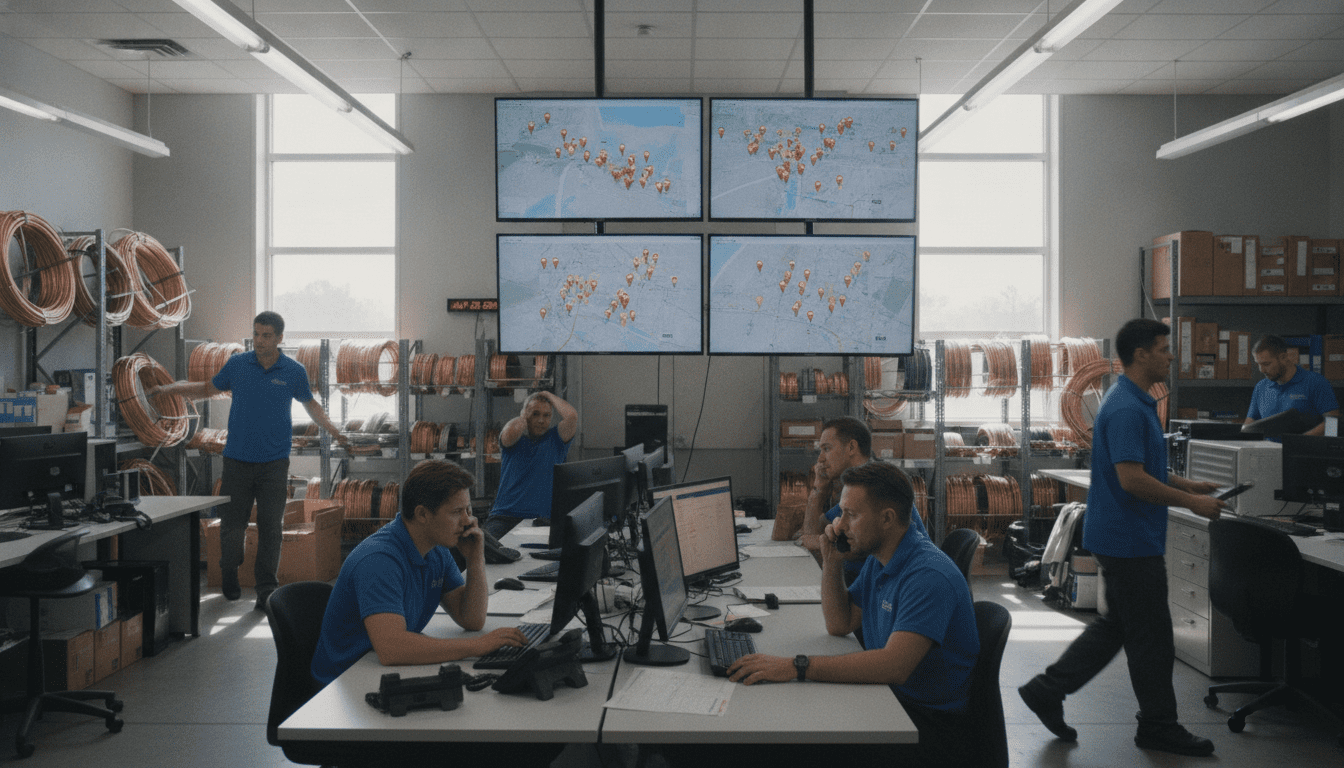
The Verband Deutscher Kälte-Klima-Fachbetriebe reports that refrigeration and air‑conditioning specialists are currently overloaded with maintenance and repair appointments. Christoph Brauneis of the association said technicians are occupied repairing systems in supermarkets, hotels and office buildings that are running at high load during heat spells. That surge in service work is reducing the capacity available for installing new fixed systems despite manufacturers holding inventory.
EU rules and safety risks make DIY split installs unlawful and risky
Experts caution against attempts to install split air conditioners without certified help. Split systems consist of an indoor and an outdoor unit linked by refrigerant lines, and EU regulations restrict the connection of those lines to personnel certified to handle refrigerants. Industry representatives point out that incorrect connections often lead to refrigerant leaks, which can be hazardous and illegal for unqualified consumers to perform themselves.
Split systems favored for year‑round use but installers advise off‑peak scheduling
When professionally installed, split heat‑pump systems offer both summer cooling and winter heating, making them an attractive long‑term option for many homeowners. The Fachverband Gebäude‑Klima notes that installation can often be completed in roughly one day, and these units are designed for year‑round operation. Still, installers recommend booking outside the height of summer because service backlogs during heatwaves can delay new installations by weeks or months.
Sales figures show a clear upward trend toward household cooling
Data from the Fachverband Gebäude‑Klima illustrates the market shift: roughly 250,000 room climate units were sold in Germany in 2023, rising to significantly more than 300,000 in 2025. Lucas van Stephoudt of the association told reporters he expects the market to grow again this year as private households increasingly adopt cooling technologies that were already standard in non‑residential buildings. The recent June heatwave has accelerated conversations among homeowners about installing permanent cooling solutions.
Production is dominated by Asian brands, with local plants supplying Europe
The market remains largely influenced by Japanese and South Korean manufacturers — names commonly cited include Panasonic, LG, Samsung, Mitsubishi and Daikin — although Chinese producers have expanded their presence with lower‑priced models. Industry sources say many of these companies now operate production facilities in Europe to serve local demand more quickly. At the same time, German midsize firms are among the successful suppliers in niche segments of the market.
The German Weather Service (Deutscher Wetterdienst) has signaled a longer‑term shift in summer climate patterns, noting that heatwaves are becoming hotter and more prolonged. That projection underpins industry expectations that demand for air conditioners and other cooling systems will remain elevated in the coming years. Consumers weighing options face a trade‑off between immediate relief from portable units and the efficiency and year‑round utility of professionally installed split systems, while installers and retailers navigate capacity constraints that are likely to persist as temperatures rise.
