
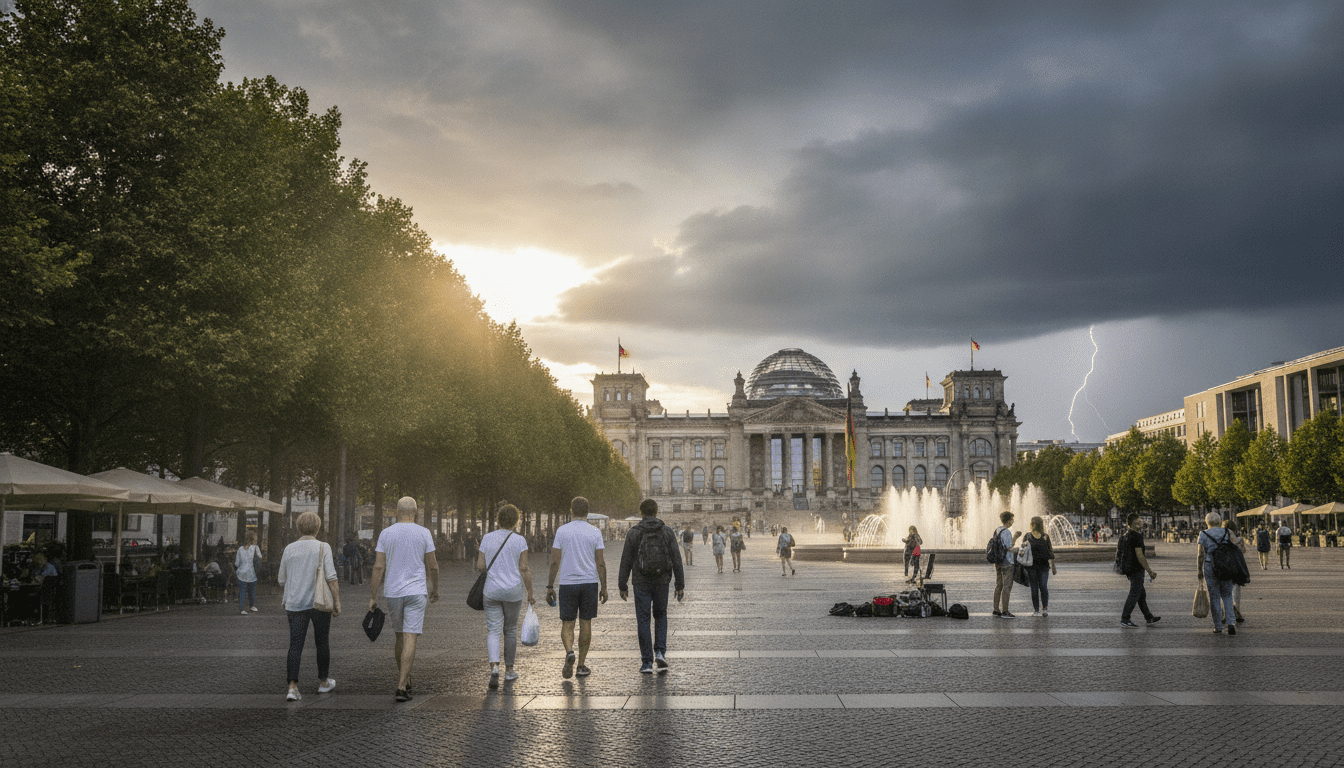
Germany heatwave eases as storms loom; global tensions, literature prize and World Cup drama dominate June 28, 2026
Cooling air brings relief after days of extreme temperatures in Germany; storms, US‑Iran clashes, the Ingeborg‑Bachmann Prize, and a 3:3 World Cup thriller shape headlines.
A heatwave in Germany that baked large parts of the country for several days showed signs of easing on June 28, 2026, but forecasters warned that the respite would bring a risk of heavy thunderstorms and localized severe weather. At the same time, international tensions between the United States and Iran escalated with new strikes and harsh rhetoric, while cultural and sporting stories — including Lena Schätte’s Ingeborg‑Bachmann Prize win and Austria’s 3:3 draw with Algeria at the World Cup — rounded out a news‑heavy day.
Heatwave in Germany: Cooler air arrives but thunderstorms expected
Meteorologists reported a sharp influx of cooler Atlantic air across western and northern regions on June 28, 2026, ending the period of unusually high temperatures that had strained health services and infrastructure. Weather services cautioned that the temperature drop would be accompanied by unstable conditions, raising the prospect of heavy showers, strong gusts and isolated hail in the hours following the heat.
Authorities urged residents to remain vigilant as saturated soils and swollen rivers in some regions could exacerbate local flash‑flood risks during intense downpours. Emergency services and utility operators said crews were on standby to respond to heat‑related damage and any storm impacts as forecasts evolved.
US and Iran exchange strikes as leaders trade severe threats
Overseas, the security environment in the Middle East deteriorated as reported strikes and retaliatory actions were accompanied by escalating rhetoric from both Washington and Tehran. The U.S. President issued stark warnings described by officials as threatening “destruction,” while Iranian authorities responded with promises of harsh retribution and defiance, heightening concerns among international diplomats.
Analysts cautioned that the cycle of military action and inflammatory statements increases the danger of miscalculation and broader regional spillover. Several governments called for calm and urged immediate diplomatic engagement to prevent further escalation and protect commercial shipping and regional civilians.
Ingeborg‑Bachmann Prize awarded unanimously to Lena Schätte
In Klagenfurt, the jury of the Ingeborg‑Bachmann Prize awarded the prestigious literary honor to German writer Lena Schätte in a rare unanimous decision without a runoff. The outcome, reached during the festival’s jubilee edition, was hailed by organizers as a mark of strong consensus about Schätte’s contribution to contemporary German literature.
Judges highlighted the thematic depth and stylistic confidence of the winning text, noting its resonance with current social and cultural debates. Publishers and literary critics predicted a renewed spotlight on Schätte’s work and an increase in translations and international interest.
Poland presses Germany for compensation for Nazi era victims
Poland intensified its calls for financial assistance to survivors of Nazi occupation, urging the German government to expedite support measures for the remaining victims. Warsaw emphasized the urgency as the cohort of claimants is advanced in age, and officials warned that delays risk leaving many without restitution.
Berlin has so far signaled caution, citing legal and diplomatic complexities, even as public debate in both capitals broadened to encompass historical responsibility and the practicalities of compensation programs. Observers said any resolution will require sustained bilateral negotiation and clear administrative frameworks to reach affected individuals promptly.
Austria and Algeria play out chaotic 3:3 World Cup draw
The World Cup delivered one of its most remarkable matches as Austria and Algeria played to a 3:3 draw in a game that swung from tentative possession to frenetic endings. The match featured long phases of careful buildup and fan discontent, only to explode into dramatic late goals that left both teams scrambling for control and supporters stunned by the turnaround.
Goals in quick succession in the closing stages changed tactics and emotions on the pitch, with coaches and players afterward pointing to the match as an example of how momentum can shift in international tournament play. The draw left both teams with important lessons as they move into the next rounds of group play.
Tactical debate grows over Joshua Kimmich’s role after Germany’s display
Former international Stefan Reuter renewed calls to deploy Joshua Kimmich in a central midfield role, arguing that moving the versatile defender back from an emergency right‑back position would have been “the sensible choice from the start.” The comments followed a national team performance that prompted scrutiny of lineup decisions and the coach’s willingness to adjust formation during matches.
Coaching staff defended their selections but acknowledged tactical questions remain ahead of upcoming fixtures, especially regarding midfield stability and creative balance. Analysts said the debate reflects broader challenges of reconciling player strengths with opponent tactics at a major tournament.
These varied developments — from a moderating heatwave in Germany and storm warnings to volatile international exchanges, a prominent literary prize and a World Cup spectacle — combined to make June 28 a day of rapid shifts across weather, geopolitics, culture and sport. Ongoing updates are expected as forecasts refine storm paths, diplomatic channels react to strikes, and tournament fixtures progress.
