
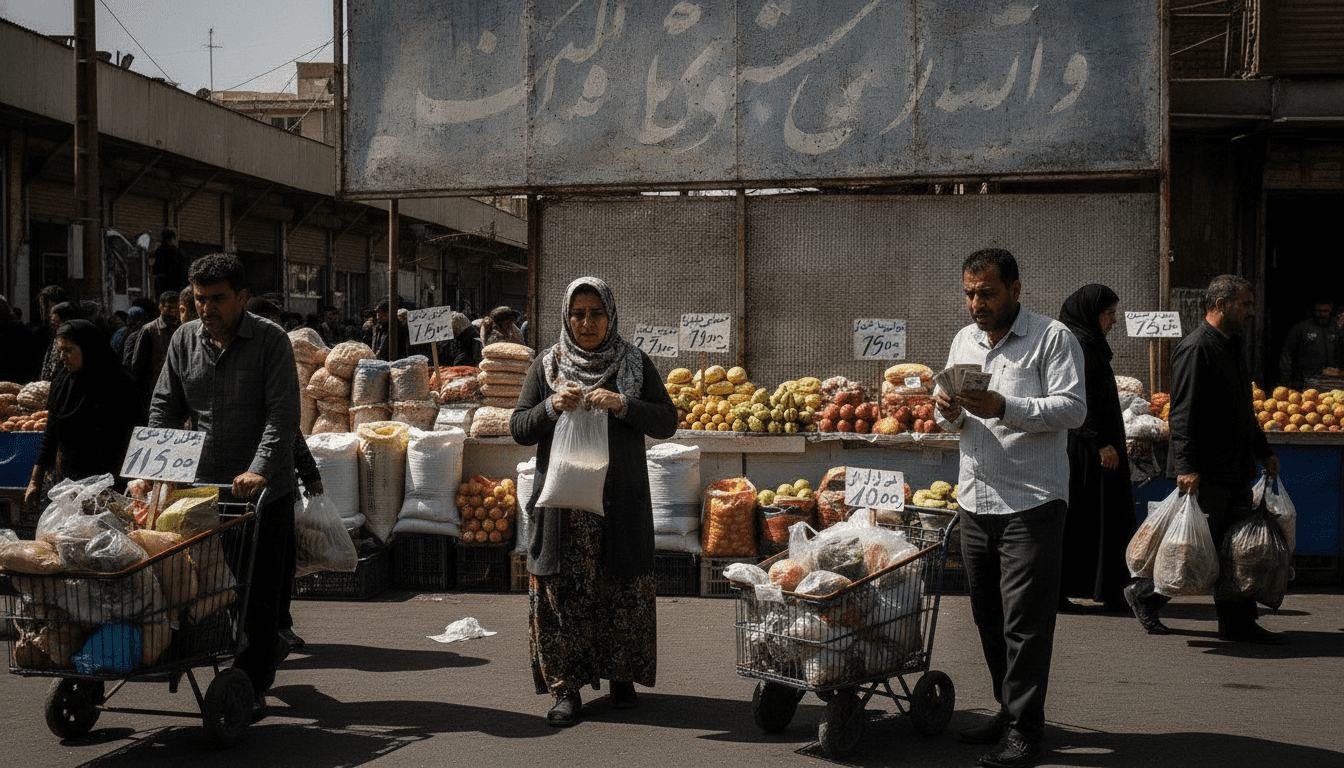
Iran inflation surges to 88.6% in June as food costs more than double
Iran inflation spikes to 88.6% year-on-year in June, with food prices more than doubling and staples like bread and meat rising sharply during Khordad.
Iran’s official inflation rate accelerated to 88.6 percent year-on-year in June, the Statistics Centre reported, marking a dramatic intensification of the country’s long-running price instability. The agency linked the jump in Iran inflation to the economic impact of the recent war, and said food prices more than doubled during the Persian month of Khordad — the period from 22 May to 21 June — compared with the same month a year earlier. Households across the country are facing rapidly rising bills for basic goods as the cost of staples climbs to levels not seen in years.
Statistics Centre points to war-related impact
The Statistics Centre explicitly tied the spike in consumer prices to fallout from the recent conflict, saying disruptions to trade and market confidence have driven sharper price increases. Officials noted the 88.6 percent year-on-year figure reflects a broad acceleration across categories rather than an isolated rise in a single sector. The centre’s assessment framed the surge as an acute episode on top of persistent inflationary pressures that have affected Iran’s economy for years.
Food inflation and Khordad price breakdown
Food inflation led the June surge, with the agency reporting that overall food prices more than doubled during Khordad compared with the same month last year. Bread and grain prices rose nearly 138.8 percent, while prices for red meat and poultry increased by 178.2 percent, according to the official release. Those spikes in staple goods have translated into sharply higher grocery bills for ordinary families and intensified concerns about food security for vulnerable households.
Longstanding drivers: sanctions, currency and fiscal strains
Economists and observers point to a combination of long-term structural problems that left the economy vulnerable to a shock, including international sanctions, currency volatility and fiscal imbalances. Sanctions have contributed to restricted access to global markets and investment, while repeated devaluations of the rial have pushed import costs higher for essential commodities. These factors, combined with supply chain disruptions linked to conflict, have amplified price pressures and reduced the purchasing power of many Iranians.
Households and markets feel immediate effects
Consumers described buying fewer goods and switching to cheaper substitutes as grocery prices climbed, with many reporting that monthly budgets now cover far less than a year ago. Small retailers and market vendors have also struggled with higher wholesale costs and uncertain supply, sometimes passing price increases quickly to customers. The rapid pace of inflation is raising alarm among social analysts who warn that sustained high prices could worsen poverty and social tensions if not checked.
Policy options and uncertain outlook
Policymakers face limited tools to immediately reverse the spike, with the central bank’s capacity constrained by reserve levels and the wider economic environment. Potential measures include tighter monetary policy, targeted subsidies for essential goods, and efforts to stabilize the currency, but each carries trade-offs that could deepen recessionary pressures or strain public finances. International developments — including any changes in sanctions, trade arrangements or oil revenues — will also influence the trajectory of Iran inflation in the coming months, leaving the near-term outlook uncertain.
The surge to an 88.6 percent inflation rate in June underscores how quickly broader geopolitical shocks can amplify existing economic vulnerabilities, pushing basic living costs sharply higher for Iranian households. Continued monitoring of consumer prices, targeted relief for the most affected populations, and steps to restore market confidence will be central to any efforts to temper the current rise in inflation.
