
Turkey arrests ahead of NATO summit: 178 held in raids across Istanbul and Ankara amid rights outcry
Turkey arrests ahead of NATO summit: 178 detained in raids in Istanbul and Ankara; rights groups condemn use of terrorism laws and warn of wider civil-society harms.
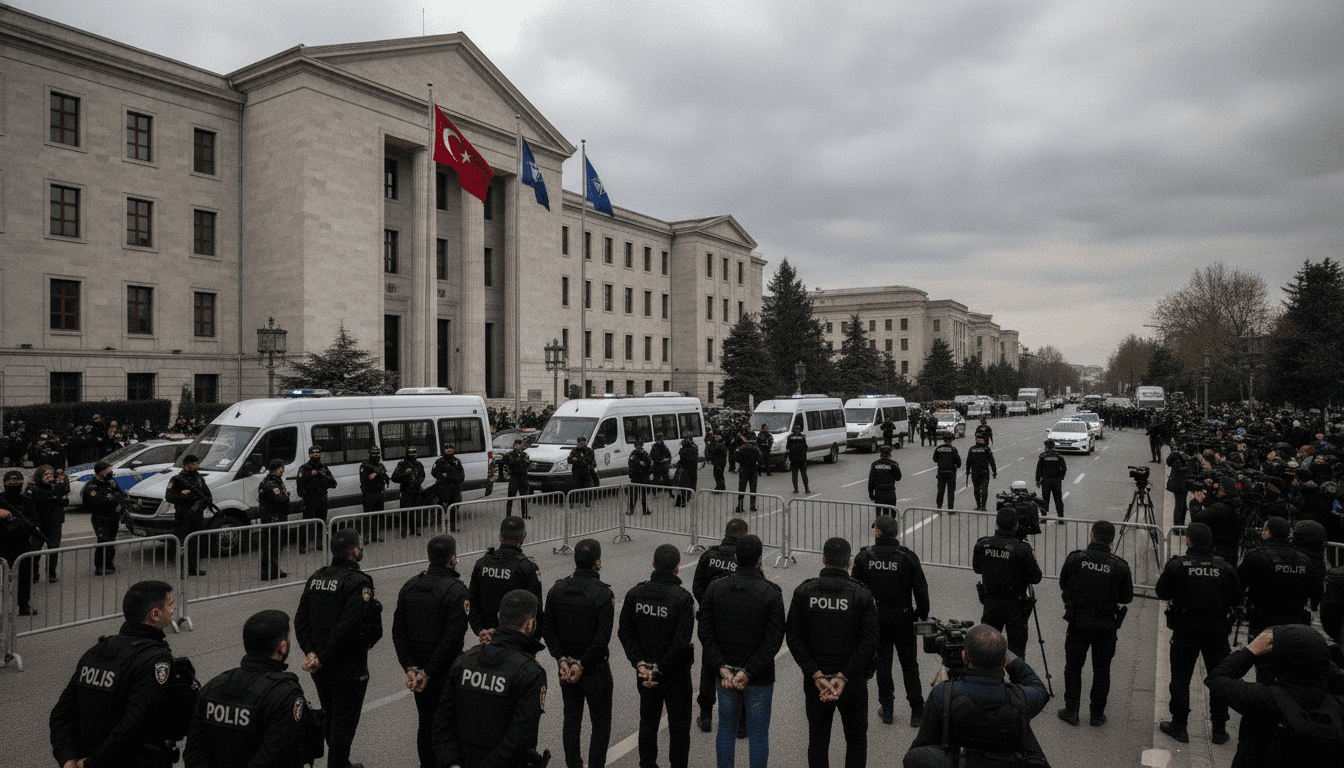
Turkey arrests ahead of NATO summit, with Turkish authorities placing 178 people into pretrial detention after a series of raids in Istanbul and Ankara, local prosecutors and rights groups said. The detentions followed coordinated operations in which a total of 225 people were initially arrested, Anadolu news agency reported, citing the Ankara prosecutor’s office. The moves have prompted criticism from human rights organizations and raised concerns about the treatment of journalists and civil society ahead of a high-profile international meeting.
Raids in Istanbul and Ankara
The operations took place in both Istanbul and the capital, Ankara, and were announced by the Ankara prosecutor’s office as part of an anti-terrorism investigation. Prosecutors said the detentions were intended to prevent actions they described as damaging to national security and to stop efforts that could portray Turkey as a country associated with terrorism.
State media reporting attributed the initial arrest numbers to coordinated police actions targeting suspected members of outlawed groups, but did not provide full details of the alleged plots. Authorities moved 178 of those arrested into formal custody for further questioning and potential charges, while others were released pending investigation.
Profiles of those detained
Human-rights group Milsa said the raids swept up a broad range of civil-society figures, including journalists, academics, lawyers, union officials, teachers and students. Milsa identified several named detainees, among them Yıldız Tar, editor-in-chief of a Turkish LGBTQIA+ magazine, and Emel Memiş, an economics professor at Ankara University, as well as environmental activists.
Milsa reported that some of those detained were questioned about past political affiliations, alleged links to the banned TKP/ML, and whether they had received weapons training. The group said interrogations also included questions about personal views on state initiatives, which rights monitors saw as indicative of a wider pattern of scrutiny of dissenting voices.
Prosecutor’s stated rationale
Officials justified the arrests by saying those detained could carry out acts of terrorism or otherwise seek to damage Turkey’s international standing. In documents cited by state agencies, the prosecutor argued the measures were preventative, aimed at averting plots that might portray Turkey as a country known for terrorism.
Investigators have framed the detentions as part of a broader effort to neutralize networks they allege are prepared to engage in violent or destabilizing activities. The precise evidence underpinning specific charges has not been publicly released, and lawyers for some of the detainees have called for access and transparency in the proceedings.
Human Rights Watch and civil society reaction
International and domestic rights groups responded sharply to the detentions, saying terrorism laws were being used to punish legitimate dissent. Human Rights Watch criticized the mass arrests as an abuse of anti-terrorism legislation and warned that such measures undermine the basic values of democratic alliances.
Milsa and other local monitors described a chilling effect on journalism and activism, arguing the arrests appear timed ahead of the NATO summit to suppress critical voices. Advocacy groups urged Turkish authorities to ensure due process, to disclose the grounds for detention, and to refrain from broad criminalization of peaceful expression.
Potential impact on the NATO summit in Ankara
The detentions come less than two weeks before NATO leaders are due to convene in Ankara on July 7 and 8 for a summit that will draw heads of state and government from the alliance’s 32 member countries. Organizers have said the summit will address security challenges and alliance cohesion, while critics say domestic developments in host countries can color diplomatic atmospheres.
Diplomats and observers noted that large-scale arrests in the run-up to an international summit risk prompting questions from visiting leaders and press. Some allies may raise concerns about rule-of-law standards and human-rights protections, and the detentions could complicate bilateral engagements on the sidelines of the meeting.
The Turkish government has long defended its anti-terrorism measures as necessary for national security, while human-rights groups argue for clearer legal limits and judicial oversight. How governments participating in the summit address those tensions may shape both public messaging and private discussions during the Ankara meetings.
The coming days are likely to bring further legal proceedings for those held and renewed scrutiny from rights monitors and foreign governments, as the country prepares to host a major diplomatic event.
