
Red palms: doctors warn symptom can signal anything from pregnancy to serious liver disease
Experts explain causes, diagnosis and treatment of red palms (palmar erythema), and when the symptom points to benign pregnancy changes or liver disease.
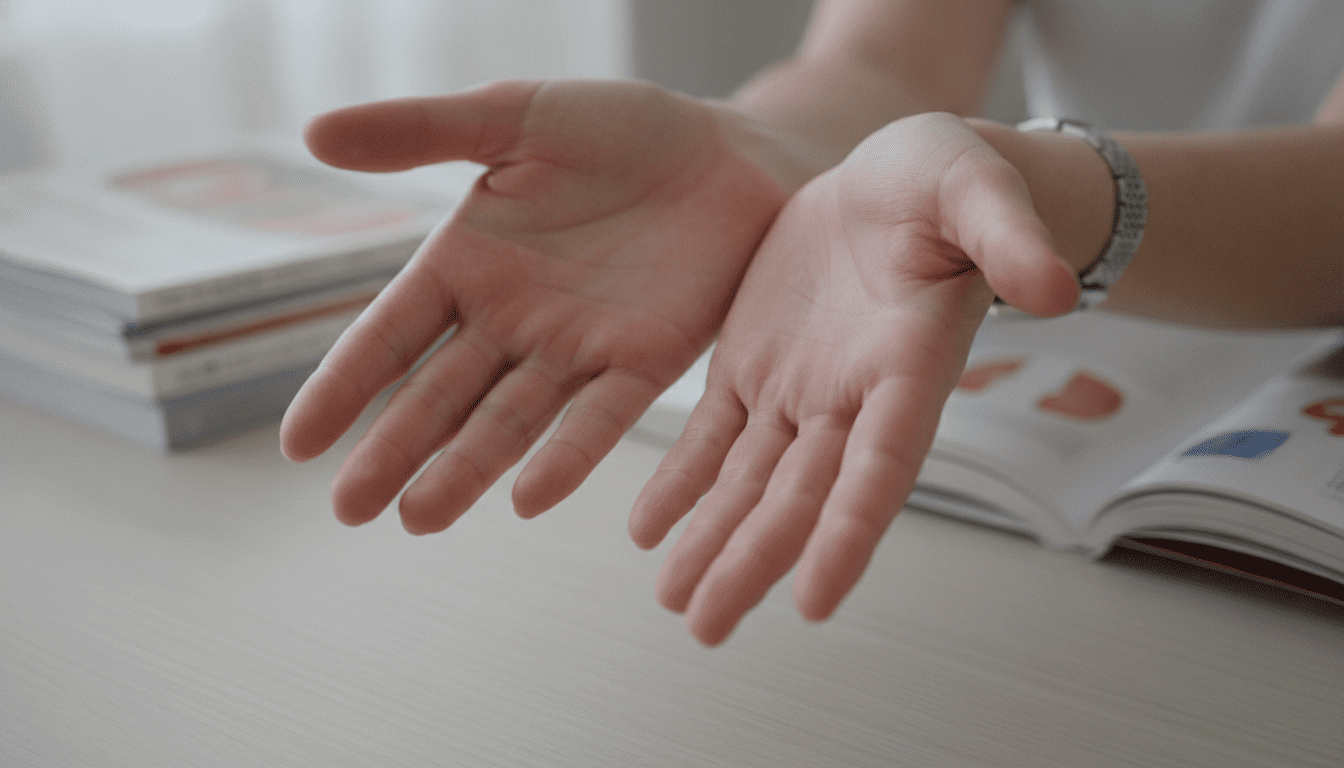
Red palms, clinically known as palmar erythema, can reflect a spectrum of conditions from harmless pregnancy-related changes to potentially serious liver or autoimmune diseases, medical specialists say. The visible reddening — often affecting both palms and sometimes fingertips or soles — is caused by widening of tiny capillaries and increased blood flow in the skin.
Clinicians emphasize that while some cases are benign, persistent or asymmetric redness accompanied by other symptoms should prompt evaluation. Doctors advise patients not to ignore red palms that last, worsen, or appear alongside systemic signs.
Red palms linked to multiple medical causes
Palmar erythema is divided into primary forms that occur on their own and secondary forms that result from other medical conditions. Primary cases may be idiopathic, hereditary, or transient during pregnancy, while secondary cases point clinicians toward underlying organ, endocrine, infectious or inflammatory disease.
The redness typically blanches when pressed and may feel warm; in hereditary cases patients can report sensitivity or discomfort in cold weather. Because the visual sign is nonspecific, physicians use the finding as a clue to investigate broader health issues rather than as a diagnosis in itself.
Liver disease among most concerning causes
Hepatology specialists frequently consider liver pathology when encountering unexplained red palms, because impaired liver function can change hormone metabolism and vascular regulation. Conditions such as cirrhosis, chronic hepatitis and metabolic storage disorders like Wilson’s disease or hemochromatosis are recognized contributors to palmar erythema.
When red palms accompany jaundice, abdominal swelling, easy bruising or breathlessness, clinicians treat these as red flags warranting urgent workup. Blood tests for liver function and imaging studies are commonly ordered to evaluate suspected hepatic causes.
Autoimmune, skin and hormonal contributors identified
Several autoimmune diseases and connective tissue disorders can produce palmar erythema through inflammation or immune-mediated vascular changes. Rheumatoid arthritis, lupus, scleroderma and mixed connective tissue disorders are among those linked to hand redness and other systemic signs such as joint pain and fatigue.
Dermatologic causes include eczema, psoriasis and contact dermatitis, which may localize to the palms and cause redness with itching or scaling. Endocrine disorders such as hyperthyroidism and metabolic conditions like diabetes are also cited for their effects on circulation and skin appearance.
Infections and environmental triggers noted by clinicians
A range of infections — from viral hepatitis to less common bacterial or parasitic illnesses — can trigger widespread inflammation that shows up as red palms. Pediatric vascular conditions such as Kawasaki disease are especially noted for causing blood vessel swelling that may involve the hands.
Lifestyle and environmental factors can also play a role; chronic alcohol use, smoking, heavy metal exposure and certain medications are recognized contributors. Physicians review medication histories closely, as drugs including amiodarone, some anticonvulsants, beta-blockers, bronchodilators and lipid-lowering agents have been associated with palmar redness.
How clinicians diagnose palmar erythema
Diagnosis begins with a careful history and physical exam, with clinicians asking about onset, symmetry, associated symptoms and family history. Specialists may be involved depending on suspected causes, including rheumatologists, endocrinologists, hepatologists and dermatologists.
Diagnostic testing can include blood panels to assess liver enzymes, thyroid function, blood sugar and autoimmune markers, as well as urine studies, ultrasound or X‑rays when indicated. Skin biopsy or dermoscopy may be used for dermatologic cases to distinguish between inflammatory skin disease and vascular causes.
Treatment options and when to seek urgent care
Treatment targets the underlying condition when palmar erythema is secondary; addressing viral hepatitis, autoimmune disease or endocrine disorders often reduces redness as the primary disease is managed. Pregnancy-related palmar erythema is usually temporary and resolves after delivery, while some symptomatic cases may be treated with targeted interventions such as botulinum toxin to reduce vascular reactivity.
Clinicians urge patients to seek immediate medical attention if redness is accompanied by jaundice, difficulty breathing, swelling of the abdomen or legs, persistent fever, unexplained bleeding, neurological symptoms, or if redness is isolated to only one hand. These signs can indicate more serious systemic illness that requires prompt evaluation.
Red palms are a visible sign with many potential explanations, from harmless physiologic changes to markers of serious disease, and should be assessed in context by a clinician. Early evaluation and targeted testing help determine whether simple reassurance is appropriate or whether treatment of an underlying condition is needed.
