
Venezuela earthquakes kill at least 920 as over 51,000 reported missing after twin 7.2 and 7.5 shocks
Venezuela earthquakes leave at least 920 dead and over 51,000 missing after twin 7.2 and 7.5 quakes; rescue efforts and international aid race to save survivors.
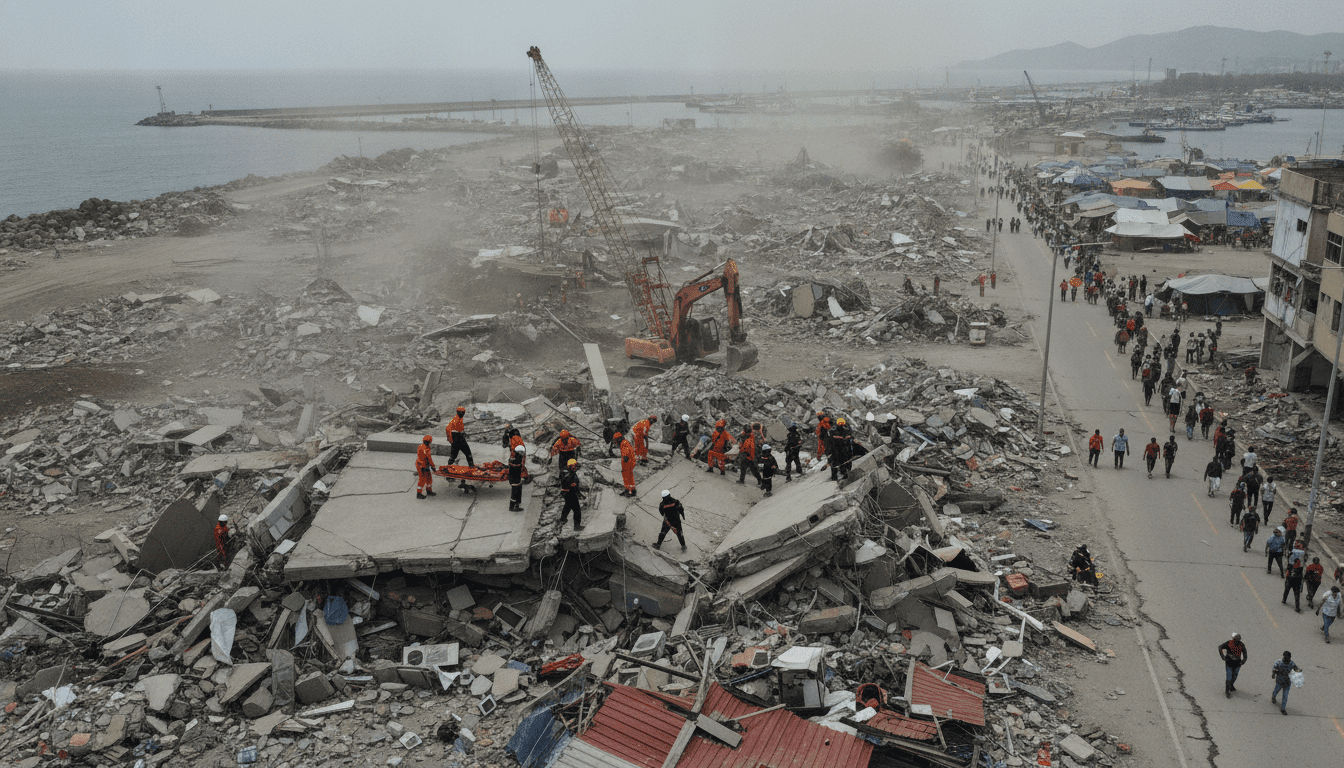
Three days after two powerful earthquakes struck Venezuela, the country is confronting widespread destruction and a mounting human toll from the Venezuela earthquakes that hit on Wednesday, June 24, 2026. Officials confirm at least 920 people killed and more than 51,000 reported missing, while local residents and volunteer teams continue frantic searches amid damaged roads and disrupted communications. The tremors, measured at magnitudes 7.2 and 7.5, struck shallow coastal zones around La Guaira and sent shockwaves through communities already weakened by years of economic crisis.
Death toll, missing figures and injuries
The confirmed death toll stands at 920, and authorities report more than 51,000 people listed as missing in independent and official tallies compiled since the quakes. Emergency services said more than 3,300 people were injured by midday on Friday, and rescuers have pulled 243 survivors from rubble so far. Officials caution that the numbers are provisional and expected to rise as blocked routes and communication outages make it harder to account for residents.
Search operations face access restrictions and traffic chaos
Local authorities restricted access to the hardest-hit area around La Guaira on Friday night, saying entry would require official permits as traffic jams and uncontrolled crowds hampered operations. Rescue teams and volunteers have reported long delays reaching collapsed buildings and neighborhoods because of congestion and damaged infrastructure. Officials did not immediately clarify which groups would receive permits, leaving independent teams and family members struggling to reach potential survivors.
Community-led rescues fill gaps in official response
With official rescue capacity strained, Venezuelan civilians have become the first line of response in many neighborhoods, digging through rubble with their hands and improvised tools. Aid groups warned the critical 72‑hour survival window for trapped people was closing, heightening urgency for coordinated searches. “Each person saved is a miracle,” Jorge Rodríguez, president of the National Assembly, said as volunteer efforts continued around the clock.
International teams and humanitarian assistance arriving
Venezuela has received international rescue and relief personnel, with authorities reporting 861 volunteers from countries including Mexico, the United States, El Salvador, Switzerland and Colombia on the ground. Acting President Delcy Rodríguez welcomed foreign assistance and said more teams and supplies were en route to support lifesaving operations. Humanitarian agencies emphasized the need to scale up shelter, water and medical aid rapidly to prevent secondary crises among displaced populations.
Humanitarian scale and displacement estimates
The International Organization for Migration estimated that up to 6.76 million people could be affected by the quakes, with some two million in Caracas alone at risk of displacement or service disruption. Survivors reported widespread shortages of food, water and basic medicines, and relief groups warned that damaged pipelines and transport routes would complicate deliveries. The combination of severe structural damage and aftershocks has left many families too fearful to re-enter partially standing homes.
Political context and government response
Delcy Rodríguez, who assumed the acting presidency in January after a change in leadership, described the response as a full-scale government operation and said La Guaira had been “militarised” to secure relief corridors. Residents and independent sources reported seeing limited state rescue teams in some of the worst-hit neighborhoods, prompting criticism about the speed and scale of the official response. Venezuela’s long-running economic and institutional crises have complicated preparations and reduced public confidence in the authorities’ ability to meet emergency needs.
Relief coordinators highlighted the risks of duplication and inaccuracy in missing-person databases, noting that many entries result from disrupted phone networks or multiple reports for the same individuals. They also warned that the shallow depth and rapid succession of the two quakes amplified structural collapse, increasing the number of people trapped beneath rubble.
Search teams prioritized hospitals, schools and multi-story residential buildings where more people were likely to be sheltering when the quakes struck. Medical facilities reported an influx of the injured, stretching emergency wards, while field clinics were established to treat trauma and to reduce pressure on hospitals.
Coordination challenges emerged as different international and local responders converged on the disaster zone. Humanitarian officials called for clear access protocols so experienced urban search-and-rescue teams could move quickly and safely into the most damaged districts. Logistics specialists stressed the need to restore communications and clear primary roads within 48 hours to accelerate aid flows.
Economic damage assessments are preliminary, but early reports describe collapsed apartment blocks, landslides along coastal roads and major damage to port facilities and power infrastructure. Utilities companies reported outages and interruptions to fuel supplies that threaten longer-term recovery and reconstruction efforts.
Health agencies issued alerts about the potential for public health threats as sanitation systems were disrupted and large groups of displaced people gathered in temporary shelters. Clean water, emergency medical supplies and shelter materials were identified as immediate priorities by relief coordinators.
Local civic groups and diaspora organizations mobilized donations and arranged transport for incoming aid as calls grew for transparent distribution and impartial assistance. International humanitarian actors emphasized that aid must reach the most vulnerable without political conditions.
As rescue efforts continue, officials acknowledged that the scale of the disaster will require sustained international assistance and a coordinated recovery plan. Families of the missing pressed on with searches, while volunteers and foreign specialists worked side by side to recover survivors and begin the first stages of relief.
The coming days will be crucial for life-saving operations, restoring essential services and establishing an effective logistics network to deliver food, water and medical care to millions of people affected by the quakes.
