
US strikes Iran after alleged attack on commercial ship in the Strait of Hormuz; first action since June 17 MoU
US strikes Iran on June 27, 2026, targeting military sites after an alleged attack on a commercial ship in the Strait of Hormuz; first action since June 17 MoU.
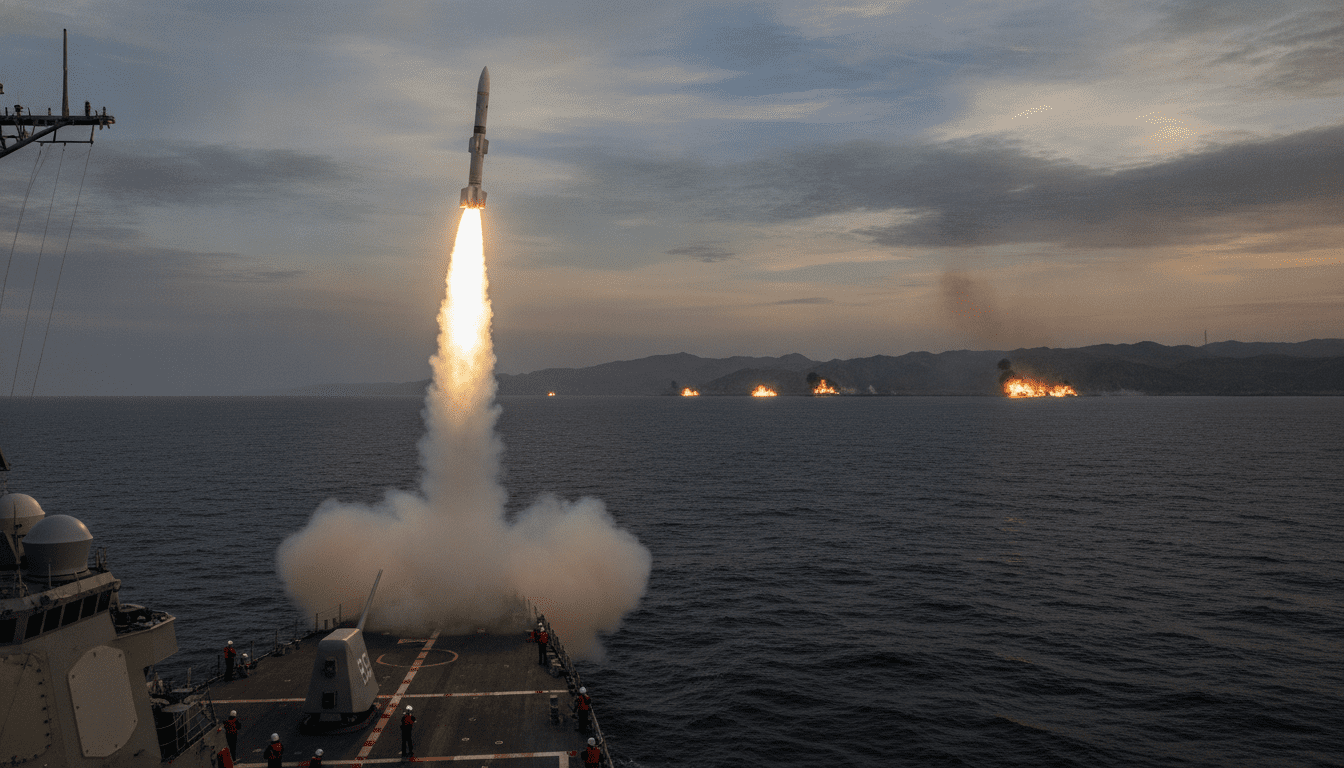
The United States struck Iranian military sites on June 27, 2026, in what Washington described as a targeted response after allegations that Iranian forces attacked a commercial vessel in the Strait of Hormuz. The operation is the first kinetic action between the two countries since they reached a Memorandum of Understanding on June 17, a development that had raised hopes of de‑escalation. US officials said the strikes were intended to degrade specific military capabilities, while underscoring a desire to avoid a wider conflict.
Details of the US military action
US military statements described the strikes as precise and limited in scope, aimed at Iranian military infrastructure rather than civilian areas. Officials did not provide a full inventory of the targets in their initial public comments but said the action was calibrated to respond to the reported attack on a commercial ship.
Pentagon spokespeople emphasized that the operation was conducted with an eye toward minimizing collateral damage and civilian casualties. They also said operational details would be released in a measured fashion to avoid compromising ongoing assessments and the safety of forces in the region.
Claims of an attack on a commercial vessel
Washington tied its response to reports that an unidentified commercial ship had come under attack in the Strait of Hormuz, a chokepoint through which a significant share of global maritime oil shipments pass. US officials said evidence pointed to involvement by Iranian forces, prompting the strikes as a punitive and deterrent measure.
Independent verification of the incident was limited in the immediate aftermath, and international shipping agencies were reported to be tracking the situation closely. Maritime insurers and operators typically reassess transits through the strait after such incidents, heightening commercial and geopolitical anxieties.
Timeline from the June 17 MoU to June 27 strikes
The strikes occurred ten days after the United States and Iran signed a Memorandum of Understanding on June 17, a document both sides described as a framework to reduce immediate tensions. The swift return to hostilities underscored the fragility of such agreements in a region with persistent security flashpoints.
Analysts noted that the narrow window between the MoU and the strikes will complicate diplomatic messaging, as negotiators and opposition figures in both countries assess the political costs of renewed confrontation. The sequence of events raises questions about the effectiveness of short-term deals absent stronger verification and enforcement mechanisms.
Regional implications and risk of escalation
Military action in the Gulf carries risks beyond the immediate targets, with neighboring states watching closely and commercial shipping remaining vulnerable. The Strait of Hormuz has been a recurrent scene for incidents between Iranian forces and foreign vessels, and any further exchanges could drive a broader security response from regional and extra‑regional actors.
Experts warned that miscalculation by either side or subsequent retaliatory measures could rapidly expand the crisis. Commanders and diplomats will now face pressure to contain the situation, prevent attacks on neutral shipping, and avoid entanglement with allied forces operating in the area.
Diplomatic fallout and international response
The strikes are likely to prompt urgent diplomatic engagement in capitals managing ties to both Washington and Tehran. While some governments typically call for restraint in such moments, others may intensify calls for accountability and stronger security measures for commercial shipping lanes.
Participation in multilateral forums could increase as states seek coordinated steps to reduce immediate risk, but any unified international statement will hinge on the availability of verified information about the alleged attack that prompted Washington’s response.
Analysts’ assessment of strategic intent
Observers suggested the United States aimed to signal that certain actions against commercial shipping would trigger a measured military response even as broader diplomacy continued. The limited nature of the strike, as described by US officials, points to an effort to balance deterrence with restraint.
At the same time, the episode illustrates the limits of ad hoc agreements in preventing rapid escalation when operational commanders interpret threats differently from political negotiators. Longer‑term de‑escalation would likely require clearer verification processes and communication channels to manage incidents at sea.
The coming days are likely to bring further statements from both Washington and Tehran, along with reporting from independent maritime monitors and regional capitals. International actors monitoring the Strait of Hormuz will focus on the safety of commercial traffic and on diplomatic avenues that might prevent a renewal of broader hostilities.
