
Deutsche Bahn confirms €3bn cost rise and delays Stuttgart 21 opening to 2031
Deutsche Bahn raises Stuttgart 21 costs by €3bn to €14.5bn and delays the new underground station to 2031; CEO Evelyn Palla apologises for project failures.
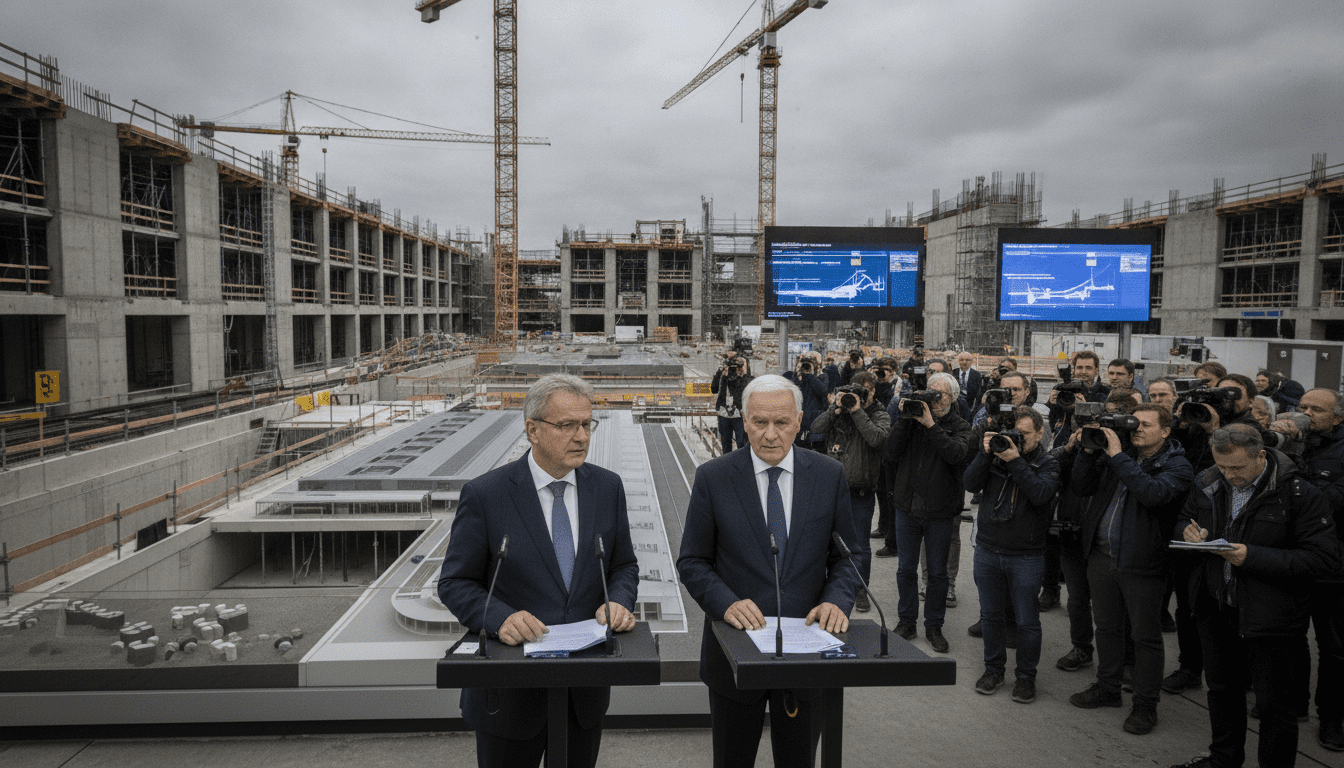
The chief executive of Deutsche Bahn, Evelyn Palla, announced at a Stuttgart Airport press conference that the Stuttgart 21 rail project will cost an additional €3 billion, bringing the total to €14.5 billion, and that the new underground station will not begin operation until 2031. The update marks a fresh setback for the long-running project, which is now scheduled to open five years later than the most recent estimate and twelve years later than the initial plan. Palla acknowledged significant mistakes by the railway company and issued an apology on behalf of Deutsche Bahn.
Costs climb to €14.5 billion
Deutsche Bahn said the latest increase adds roughly €3 billion to previous projections and reflects a series of revisions to the programme’s budget. Project officials have repeatedly adjusted estimates over the project’s lifespan, and the new figure makes Stuttgart 21 one of Europe’s most expensive rail infrastructure undertakings. The company framed the revision as unavoidable given technical, contractual and schedule setbacks that have emerged during the construction phase.
Deutsche Bahn described the additional funding need as a consequence of cumulative complexities rather than a single failure, and said it will present more detailed accounting and a financial plan in coming weeks. The announcement is likely to intensify scrutiny from federal and regional funding partners, who share the financial burden of the project. Stakeholders will press for clarity on how the extra costs will be allocated among public budgets and the rail operator.
Opening moved to 2031
Palla confirmed that the new underground Stuttgart station will now be commissioned in 2031, a timetable five years later than the most recent public target. The 2031 date places the opening twelve years after the original schedule projected at the project’s launch, further extending a history of delays. Deutsche Bahn said the extended timeframe is intended to allow completion of remaining construction, comprehensive testing and the commissioning activities necessary for safe operation.
The delay will affect service planning and regional connectivity expectations tied to Stuttgart 21, which is designed to replace the city’s terminal station with a through-station and redesign adjacent rail links. Operators will need to maintain existing infrastructure longer than planned and adjust rolling-stock and timetable strategies to accommodate the extended construction period. Passengers and freight customers may face a prolonged period of construction-related disruption.
CEO admits failures and apologises
Evelyn Palla explicitly attributed the setbacks to “grave errors” by Deutsche Bahn and offered an apology in the company’s name during the press briefing. Her remarks signalled a rare public admission of responsibility from the operator for management and oversight shortcomings that contributed to the revised budget and timetable. Palla also indicated that internal reviews are under way to identify failings and to recommend corrective measures.
The apology is likely to be read by critics as a necessary step toward rebuilding trust, but observers cautioned that words will need to be followed by concrete actions and transparent reporting. Deutsche Bahn faces questions about project governance, decision-making pathways and how it will prevent similar overruns on other major infrastructure programmes.
Construction and contractual challenges cited
Deutsche Bahn officials said a mix of planning errors, technical complications and contractual issues drove much of the latest slippage, without assigning blame to any single contractor or supplier. Complex tunnelling, interfaces between new and existing infrastructure and unforeseen site conditions have repeatedly complicated the work, the company said. Those factors, combined with the need for additional design work and approvals, prolonged key construction phases.
Legal disputes and renegotiations with contractors can also lengthen timetables and increase costs, and Deutsche Bahn acknowledged that such processes have affected Stuttgart 21. The company said it will prioritise measures to stabilise the remaining schedule, accelerate completion of critical sections and improve control over ongoing contracts and procurement.
Political and public reaction expected
The announcement is set to reverberate through Stuttgart and the wider state of Baden-Württemberg, where local officials and political parties have long debated the project’s merits and costs. Opposition politicians are likely to demand hearings and formal reviews, while municipal leaders will press for guarantees on completion and mitigation of construction impacts. The renewed cost rise and delay are certain to reawaken public scrutiny after years of contentious debate and protests surrounding Stuttgart 21.
Civic groups that opposed the scheme previously have argued that repeated overruns underscore systemic governance flaws, and they may use the new disclosure to call for further accountability. Regional and federal funders, who contribute to the budget, will weigh calls for additional oversight and may seek legally binding milestones or stricter reporting requirements as conditions for further support.
Financial implications for Deutsche Bahn and wider rail plans
The additional €3 billion will affect Deutsche Bahn’s near-term financial planning and could influence investment priorities across its portfolio of projects. The company indicated it will work with government partners to finalise how the extra cost is covered, and it may need to adjust capital allocations or accelerate efficiency measures elsewhere to preserve liquidity. Rating agencies, bond holders and public finance overseers will be monitoring the developments closely for implications on Deutsche Bahn’s balance sheet.
Beyond immediate accounting impacts, the delay and cost escalation may prompt a broader policy debate over governance of large transport projects in Germany, including risk-sharing mechanisms and the transparency of public-private arrangements. Officials and analysts will be watching how Deutsche Bahn implements promised reforms and whether the measures restore confidence in the operator’s capacity to deliver complex infrastructure.
Deutsche Bahn said it will publish a fuller update with technical schedules and a cost breakdown in the coming weeks, and stakeholders expect further detail on corrective steps and accountability measures.
