
DGB pension reform commission proposes 50–53% pension level and mandatory workplace pensions
DGB pension reform urges raising the statutory pension level to 50–53%, introducing mandatory occupational pensions, and funding changes through wealth levies and a federal demographic subsidy.
Commission sets pension level target
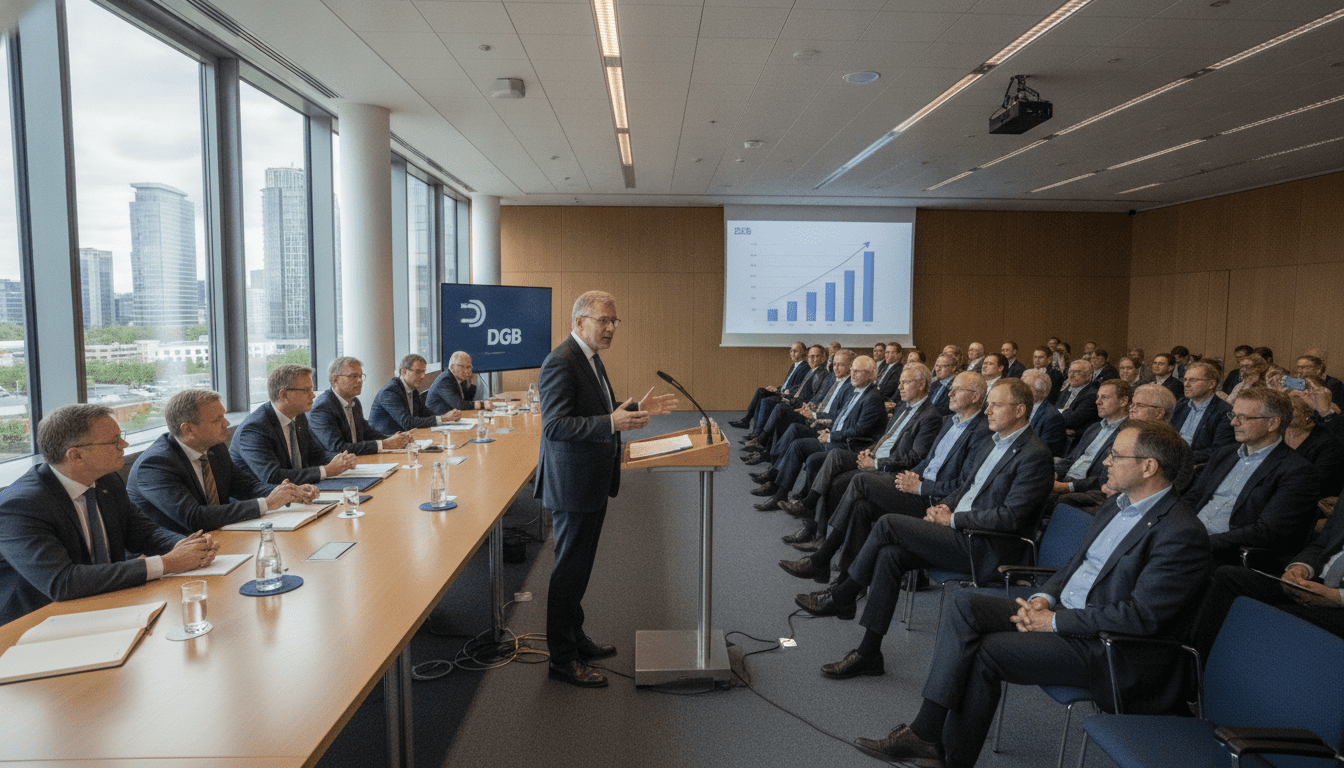
The Deutsche Gewerkschaftsbund presented the recommendations of its pension commission on June 26, 2026, calling for a significant reversal in recent pension policy. The commission proposes to lift the statutory pension level first to 50 percent and later to 53 percent before taxes. This target is positioned as a central element of the DGB pension reform aimed at restoring purchasing power for retirees.
The commission was created by the DGB in January 2026 to offer an alternative roadmap to the government commission that published its own recommendations on June 23, 2026. Its membership includes trade union leaders, social association heads, academics, and politicians such as DGB chair Yasmin Fahimi, IG Metall leader Christiane Benner, VdK president Verena Bentele, former party chairs Ricarda Lang and Kevin Kühnert, and ex-CDU social policy politician Peter Weiß.
Mandatory occupational pension proposal
A cornerstone of the proposal is a compulsory, tariff-organized occupational pension for all employees to be funded by employers. The commission recommends employers contribute two percent of gross wages annually, with a minimum floor set at 988 euros per year. The measure is intended to complement a higher statutory pension level and reduce old-age poverty risk.
The DGB frames mandatory workplace pensions as a universal layer that would reach workers currently without adequate coverage, thereby broadening protection across sectors. The plan emphasizes tariff coordination so contributions and benefits align with collective bargaining structures rather than fragmented individual schemes.
Protection for early retirees and disabled workers
The commission rejects raising the statutory retirement age and calls for retention of early retirement options for long-term insured workers. It insists on preserving the so-called pension at 63 for people with sufficiently long contribution histories. Proposals also open routes to age pensions for people with severe health limitations and allow part-time workers with health constraints to receive pro rata pensions without actuarial penalties.
These measures aim to protect those with physically demanding careers or medical impairments from being forced into later retirement. The commission also recommends extending disability-related pension rules to capture a broader set of health impairments that currently fall outside strict disability categories.
Financing plan includes wealth levies and federal subsidy
To fund the proposed increases, the DGB commission envisions a mixed financing model combining contributions, targeted tax revenue, and a permanent federal demographic subsidy. The subsidy would cushion demographic pressure on the pension system while additional revenue would come partly from higher taxes on large private wealth. The commission frames this as a redistribution of responsibility to attend to sustainability and fairness.
The group also calls for gradual expansion of the contribution base and for new payers to be added into the insurance system over time. This financing mix is presented as an alternative to across-the-board benefit cuts or unilateral increases in the retirement age.
Coverage expansion to self-employed and officials
A further element of the commission’s package is a stepwise move toward an earnings-related employment insurance model that would include groups currently outside mandatory social insurance. Initially the plan would incorporate certain self-employed people who today are not obliged to join the statutory system, and it would extend mandatory coverage to members of parliament at federal and state levels. The commission argues this broadening would stabilize contribution income and expand solidarity.
The recommendations also target interrupted employment records by awarding pension credits for caregiving and by allowing parental entitlements to be divided between both parents. Care periods would count toward pension accrual even after retirement, and the DGB seeks to simplify access to the basic pension top-up and to raise exemption levels for statutory pensions within social assistance.
Political feasibility and reactions
DGB chair Yasmin Fahimi has defended the proposals against criticism that calls for a wealth levy would be politically unworkable under a center-right chancellor. She pointed to crisis-era fiscal choices and argued that past policy decisions favored debt rules over taxing large assets more heavily. The commission’s lineup, which mixes union leaders and figures from across the political spectrum, is intended to signal cross-sector legitimacy.
But the plan faces immediate political obstacles given its reliance on additional tax measures and employer obligations. Employers and conservative parties are likely to oppose mandatory contributions and a new wealth tax, while supporters say the measures are necessary to reverse decades of pension erosion.
The commission’s report sets the terms for a heated public debate about pension policy in Germany. It proposes concrete changes designed to raise retirement incomes and broaden coverage, while leaving central political questions about funding and parliamentary support unresolved.
