
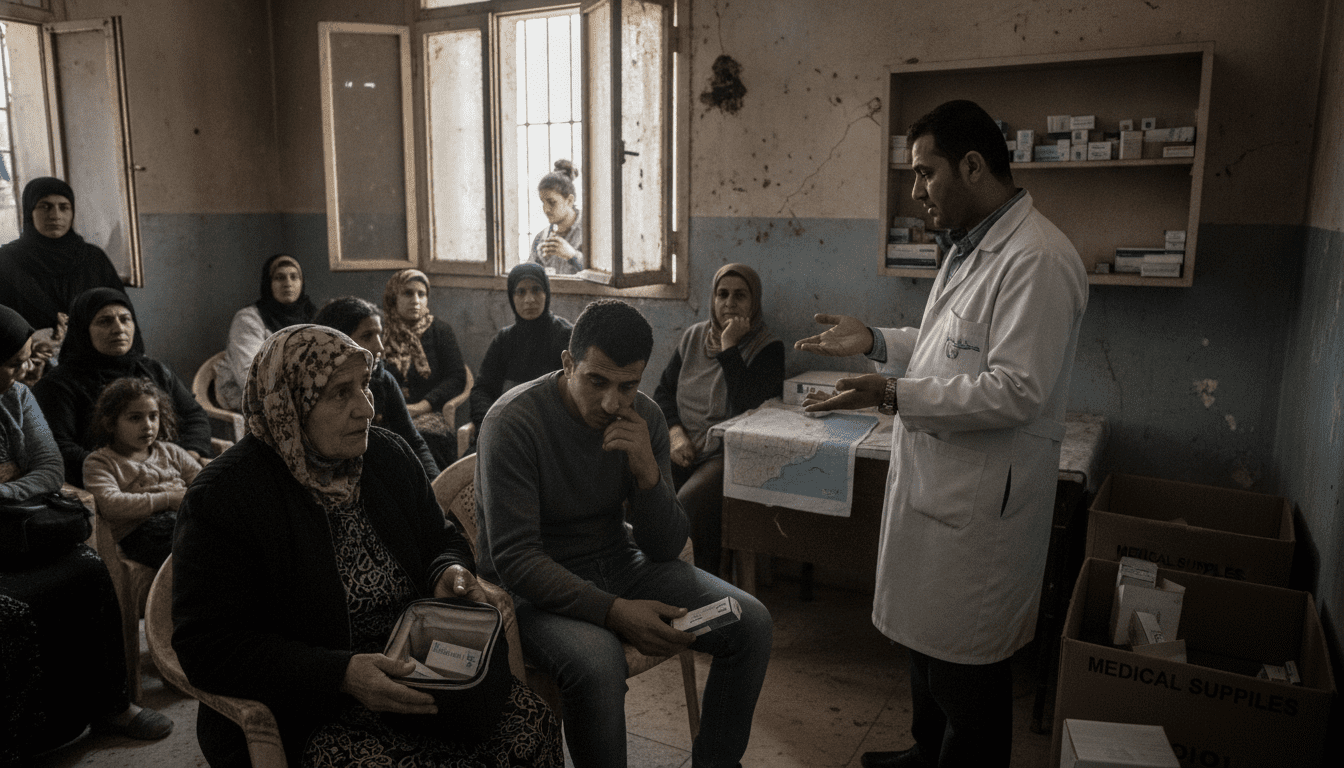
Insulin shortage in Gaza forces diabetics into daily life-or-death scavenges
Gaza residents with diabetes face an insulin shortage in Gaza that has turned routine treatment into a precarious struggle for survival, driving up prices and forcing patients to ration doses.
For 20-year-old Hamza al‑Ghazali, a Type 1 diabetes patient in the Zeitoun neighborhood south of Gaza City, the insulin shortage in Gaza has made the search for medicine a daily odyssey. He now moves between pharmacies and clinics at dawn, knowing that a missed dose can be fatal, and that each insulin pen is scarce and costly.
Young patients search for lifesaving insulin
Hamza’s story illustrates a broader trend: people with Type 1 diabetes are traveling repeatedly to locate a single insulin pen as supplies dwindle. Before the outbreak of intensified fighting in October 2023, he could buy pens for about 25–35 shekels each; the market has since seen prices climb to 75–100 shekels per pen.
The price surge has pushed patients to extend use of pens beyond recommended limits, reuse equipment, and delay refills. For those who require six to seven pens a month, the financial pressure is acute and often impossible to reconcile with collapsing household incomes.
Border restrictions cited as primary cause of shortages
Medical workers and patients attribute much of the shortfall to tightened controls at crossings and restrictions on medical imports. The limits have reduced the flow of insulin, glucose meters, and test strips into the territory, leaving pharmacies and hospitals with shrinking stocks.
Pharmacies with intermittent deliveries have sometimes offered medicines that may have been stored improperly or are near expiry, raising concerns among clinicians about effectiveness. The constrained supply chain has converted routine procurement into an unpredictable process for patients and providers.
Daily management becomes a gamble between hyperglycemia and hypoglycemia
Managing diabetes under these conditions demands impossible tradeoffs. Patients who ration insulin risk dangerously high blood sugar and long‑term complications; those who skip meals to preserve insulin face the immediate danger of hypoglycemia.
Hamza describes carrying a “diabetes bag” whenever he evacuated during shelling, prioritizing insulin and test strips above other possessions. The conflict environment has made adherence to prescribed regimens unreliable, turning what was once a chronic condition into a series of life‑threatening decisions.
Testing equipment shortages undermine clinical care
Glucose meters remain available in limited numbers, but test strips — the consumable that makes monitoring possible — are in severe shortage. A meter without strips is effectively useless, forcing many to guess at their blood glucose levels instead of tracking them.
Clinicians estimate that in some areas more than 80 percent of diabetes patients cannot test regularly. That lack of data impairs individual care and complicates triage in clinics, where staff must manage both acute emergencies and routine chronic disease under resource strain.
Health officials warn of rising emergencies among children and adults
Local health authorities warn that between 70,000 and 80,000 people in Gaza with diabetes are at risk due to the combined effect of shortages, power outages, and disrupted medical follow‑up. Endocrinology specialists highlight a particularly grave risk for about 2,500 children living with Type 1 diabetes.
Doctors caution that expired or improperly stored insulin can lose potency and create a false sense of security while failing to control blood sugar, sometimes precipitating diabetic ketoacidosis — a potentially fatal emergency. Clinics report increasing numbers of patients presenting with severe metabolic complications tied to interrupted treatment.
Aid efforts face logistical and security barriers
Humanitarian organizations have attempted to scale deliveries of insulin and testing supplies, but aid convoys and medical shipments confront logistical challenges and security constraints. Even when supplies arrive, distribution networks inside Gaza are fragmented, and cold‑chain requirements for some insulin formulations add another layer of difficulty.
The uneven flow of assistance has left certain neighborhoods repeatedly underserved, while informal markets fill some gaps at much higher prices. Patients like Hamza navigate a patchwork system of public clinics, private pharmacies, and charitable distributions in search of steady treatment.
Healthcare workers in Gaza emphasize that restoring consistent insulin availability is both a medical imperative and a humanitarian priority. Without predictable supplies and reliable testing tools, treating diabetes safely is not feasible, and the burden falls disproportionately on the most vulnerable patients.
The unfolding situation underscores how conflict and blockades can transform manageable chronic illnesses into immediate threats to life, as families and healthcare providers cope with shortages, rising costs, and the constant calculus of survival.
