
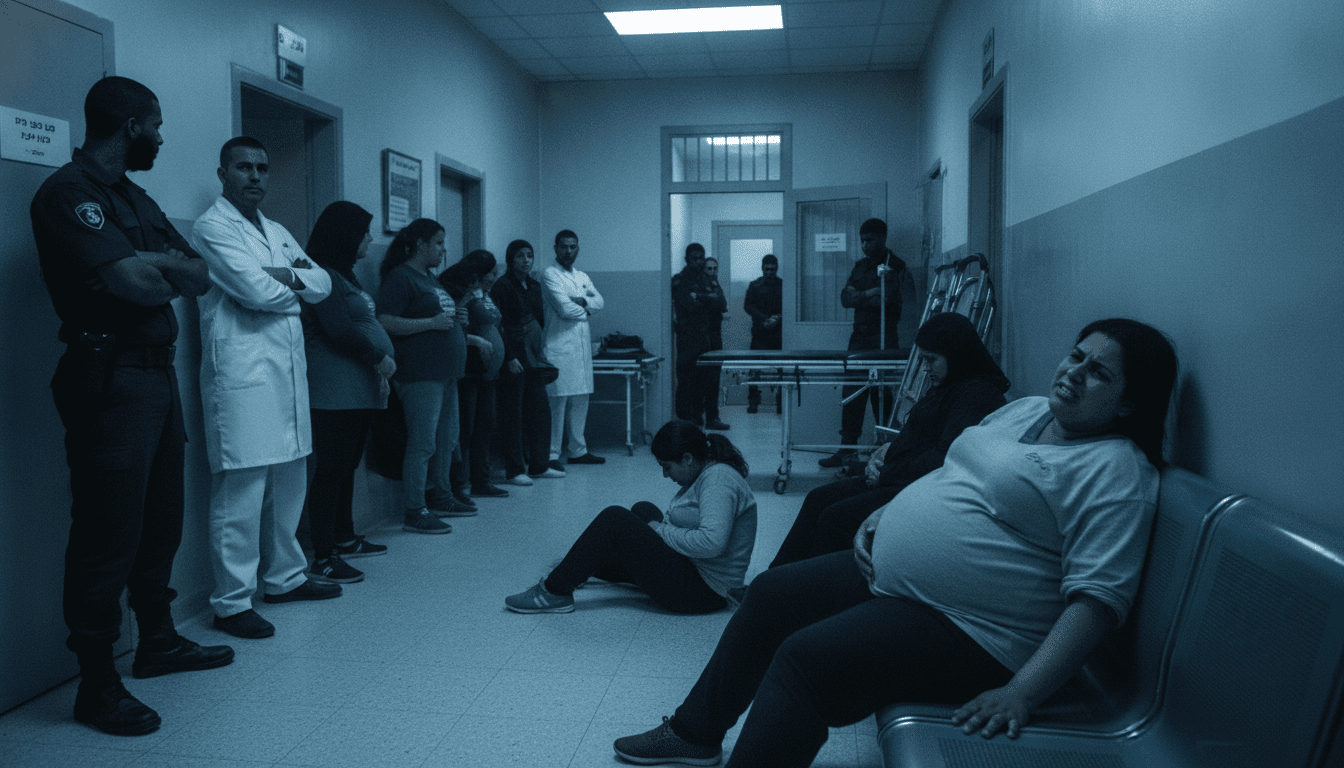
Report: ‘Catastrophic’ Conditions for Palestinian Women in Damon Prison, Commission Says
Report: ‘Catastrophic’ conditions for Palestinian women in Damon Prison – overcrowding, medical neglect, lack of hygiene supplies and limited outdoor time.
Palestinian authorities say conditions for women detained at Damon Prison have reached a “catastrophic” level, according to a report released by the Palestinian Prisoners and Ex-Prisoners Affairs Commission. The report, which focuses on the treatment of 87 Palestinian women currently held at Damon Prison, details alleged overcrowding, deliberate medical neglect and denial of basic human needs. The Commission calls for immediate attention to the situation and documentation of violations affecting health and dignity.
Commission Issues Urgent Warning
The Palestinian Prisoners and Ex-Prisoners Affairs Commission described the overall situation at Damon Prison as catastrophic and urged national and international bodies to intervene. The Commission’s findings centre on institutional practices that, it says, systematically restrict access to care and essentials for incarcerated women. The report frames the conditions not as isolated failures but as ongoing practices that demand monitoring and remediation.
Allegations of Deliberate Medical Neglect
The report alleges that medical care is being withheld or delayed for women in Damon Prison, producing preventable health risks. According to the Commission, pregnant detainees and others with medical needs have been denied timely examinations, specialist consultations and essential treatments. The Commission warns that such patterns of neglect increase the risk of complications and long-term harm to detainees.
The report also cites restrictions on access to medications and basic medical supplies within the facility. It says requests for treatment are routinely obstructed or postponed, and that inmates face obstacles in reaching independent medical professionals. These conditions, the Commission argues, amount to an institutional denial of adequate healthcare for a vulnerable population.
Restricted Time Outside Cells
The Commission reports that women at Damon Prison are permitted outside their cells for only one hour per day, a period allocated for both recreation and showering. Limited outdoor time and severely curtailed movement, the report says, exacerbate overcrowding and contribute to deteriorating mental and physical health. The single hour allowance places constraints on exercise, social contact and access to hygiene facilities.
Such restrictive routines, the Commission notes, hinder rehabilitation prospects and compound stress among detainees. Prison governance that confines inmates to cells for the vast majority of a 24-hour period raises concerns among rights advocates and legal experts about proportionality and humane treatment.
Shortages of Food, Clothing and Hygiene Products
The report highlights persistent shortages of adequate food, clothing and personal hygiene items for the women held at Damon Prison. It describes meals that are reportedly of poor quality and insufficient in quantity, alongside limited access to clean clothing and essential toiletries. The Commission asserts that these shortages undermine basic standards of living and dignity for detainees.
Supply shortfalls, the report adds, force families to attempt to fill gaps from outside the facility, a remedy that is often unreliable and burdensome. The Commission maintains that institutional responsibility lies with prison authorities and calls for systematic improvements to provisioning and inventory management.
Concerns for Pregnant Inmates and New Mothers
Special attention in the Commission’s report is given to pregnant women detained at Damon Prison, who it says are not receiving necessary maternal care. The document alleges denial of prenatal monitoring, restricted access to specialist obstetric services and shortages of supplies necessary for safe childbirth. The Commission warns that insufficient prenatal and perinatal care places both mothers and newborns at increased medical risk.
The Commission urges immediate measures to ensure that pregnant detainees receive regular medical supervision, nutritional support and postnatal follow-up. It also calls for independent oversight of the conditions affecting maternal and infant health within the prison environment.
Calls for Investigation and Oversight
In response to its findings, the Commission is calling for transparent investigations by competent authorities and monitoring by independent human rights organizations. The report requests documentation of alleged abuses, reparative action for affected detainees and a review of policies that contribute to overcrowding and neglect. The Commission emphasizes the need for accountability mechanisms to prevent recurrence and protect detainee rights.
The document further recommends allowing independent medical evaluations and easing restrictions that impede access to essential items and services. It stresses that corrective measures should be implemented without delay to address immediate health and welfare concerns.
International and local human rights organizations have frequently highlighted similar issues in detention settings, and the Commission frames its report as part of broader concerns about treatment standards. The agency emphasizes that safeguarding the health and dignity of detained women is a legal and moral obligation that requires prompt remedial steps.
The Commission’s report on conditions at Damon Prison underscores urgent humanitarian and legal questions about the treatment of Palestinian women in detention and presses for immediate action to secure adequate medical care, sufficient supplies and humane daily conditions.
