
Ivory Coast vs Germany: Match Challenges Stereotypes and Sparks Racism Debate
Ivory Coast vs Germany match overturns stereotypes about African football and ignites a contentious debate on racism in German sport and media coverage.
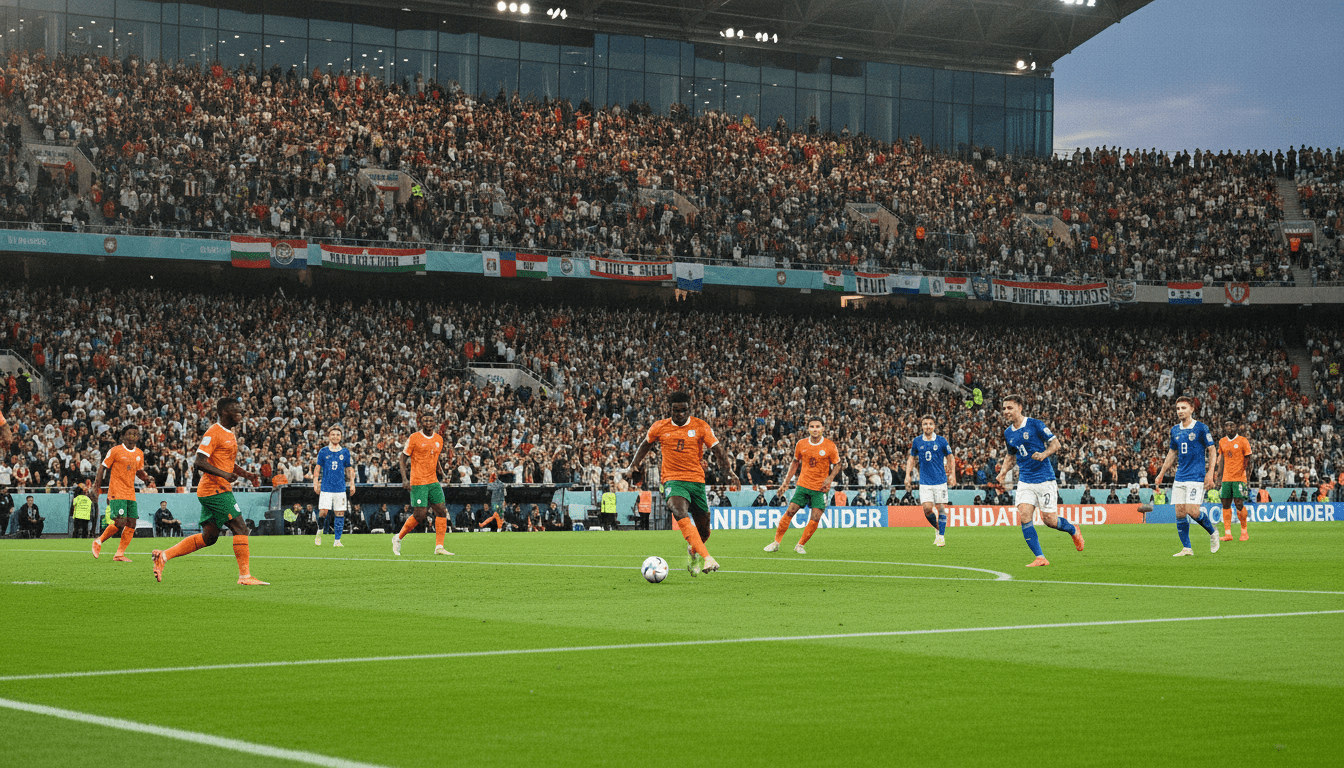
The meeting between Ivory Coast and Germany on the pitch upended widely held assumptions about “African” football and prompted an intense public conversation about race and representation. The Ivory Coast side showed organization and tactical discipline that contradicted reductive narratives, while post-match commentary exposed deeper problems in how German media and some commentators frame African teams. The clash has become a focal point for broader discussions about bias, coverage and the language used to describe players from Africa.
Surprising competitiveness and game dynamics
Ivory Coast delivered a performance that many observers described as strategically mature and technically assured during the match with Germany. The team displayed structured defending, coordinated pressing and moments of creative play that disrupted Germany’s usual rhythm. Analysts noted that the Ivorian squad combined physicality with tactical awareness rather than relying solely on raw athleticism, challenging simplified assessments of African teams.
Germany’s approach met unexpected resistance and required tactical adjustments in the second half, with both sides exchanging phases of control. The match dynamics highlighted the importance of preparation and adaptability, underscoring that scouting and analysis must be as thorough for African opponents as for any European side. This sporting reality contrasts with lingering stereotypes that have historically influenced perception and preparation.
Tactics and individual performances that reshaped expectations
Several Ivorian players drew praise for disciplined positional play and intelligent off-ball movement, attributes that complicated narratives about the team’s supposed lack of structure. Midfield organization, defensive coordination and quick transitional play were repeatedly cited by tactical commentators when assessing the Ivorian display. These elements combined to create a cohesive unit rather than a collection of individual talents operating independently.
German players and coaching staff acknowledged the quality of the opposition in post-match remarks, while some technical staff highlighted specific tactical lessons learned from facing the Ivory Coast. Observers within the game community argued that the match should prompt a recalibration in how teams prepare for opponents from different confederations, with an emphasis on concrete analysis over stereotyped assumptions.
Media framing and the emergence of a racism controversy
The aftermath of the fixture included a heated debate in German media and on social platforms about the language used to describe the match and the Ivorian players. Criticism centered on commentary that invoked racialized tropes or reduced the team to a vague, monolithic “African” identity rather than acknowledging the specific nation, coaching system and player backgrounds. Civil society groups and several football figures publicly condemned certain characterizations as simplistic or discriminatory.
Some commentators defended vigorous analysis and agreed the match deserved candid critique, but anti-racism advocates called for a clearer distinction between legitimate tactical criticism and commentary that relies on cultural generalizations. The conversation expanded beyond sport to question how editors and broadcasters gatekeep narratives about non-European teams and whether institutional practices reinforce bias.
Official responses and public reaction in Germany and Ivory Coast
National associations and anti-discrimination organizations weighed in after the match, urging measured language and more responsible coverage in the wake of contentious commentary. Officials from the German Football Association and representatives of Ivorian football bodies were cited by observers as encouraging dialogue and clarification, though statements varied in tone and detail. Fan communities also reacted, with discussions across social media reflecting both support for the Ivory Coast performance and concern about how critics framed their analysis.
Public reaction included calls for broadcasters to provide contextual reporting and for pundits to receive training on cultural sensitivity and implicit bias. Several former players and coaches used their platforms to call for focusing on tactical lessons rather than sensationalist or reductive narratives, arguing that respectful scrutiny strengthens the game.
Implications for scouting, coaching and sports journalism
The match has prompted coaches and scouts to reassess preparation models, with increased attention to avoiding assumptions based on regional stereotypes. Talent identification and tactical preparation are likely to place greater weight on empirical analysis—match footage, set-piece tendencies, and formation tendencies—rather than cultural shorthand. This shift would align professional practice with a more rigorous, evidence-based approach to opponent study.
For sports journalism, the episode sparked renewed debate about editorial standards, commentator training and the role of media in shaping public perceptions. Newsrooms and broadcasting outlets may face pressure to update guidelines on race-sensitive language and to diversify the voices that provide match analysis. Advocates argue that greater diversity among pundits and analysts will reduce the risk of blanket characterizations and enrich public understanding.
The match between Ivory Coast and Germany served both as a sporting contest and a mirror reflecting persistent challenges in how African teams are perceived and discussed. It underscored that accurate, respectful reporting and preparation benefit the sport, while stereotyping undermines competitive integrity and social cohesion. Observers across football and media urged that the episode be treated as an opportunity to correct habits, improve commentary standards and recognize the full complexity of international football.
