
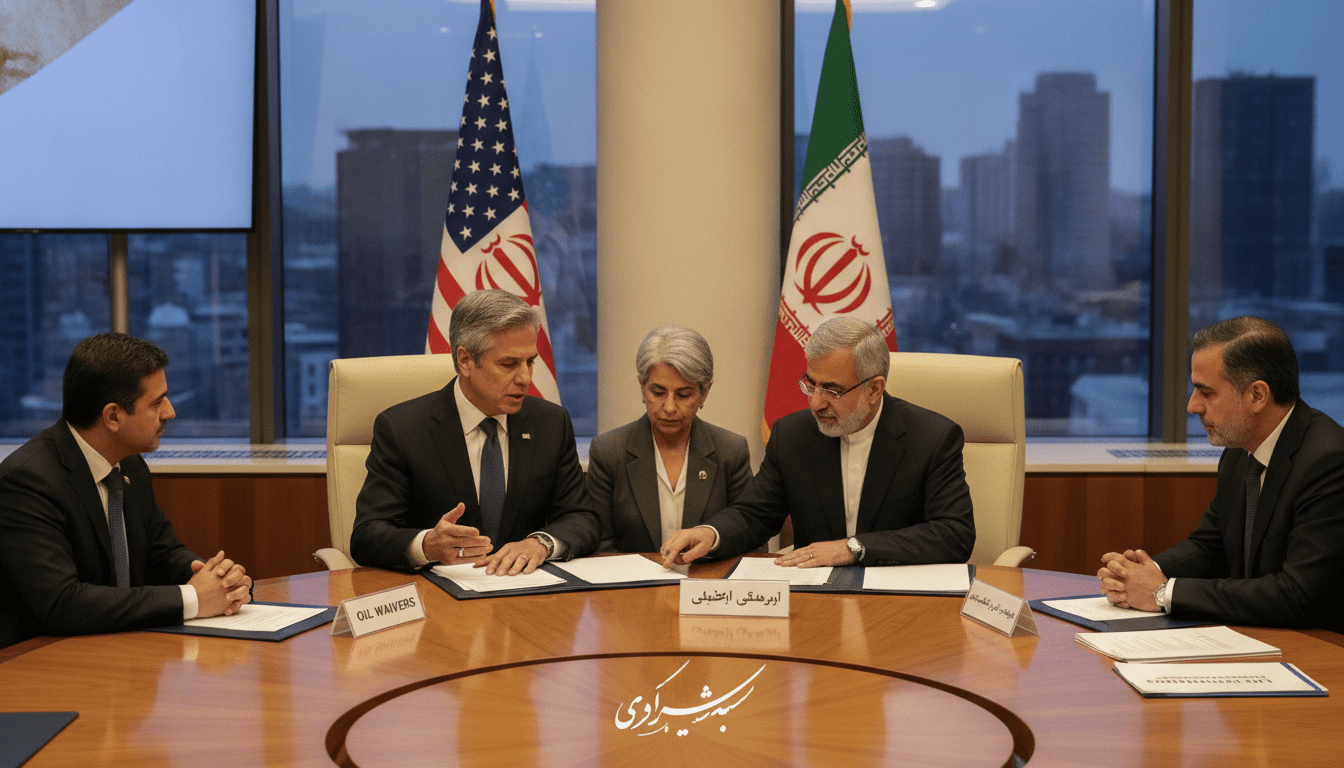
US-Iran talks produce 60-day roadmap, oil waivers and Lebanon de-confliction cell
US-Iran talks conclude with a 60-day roadmap, oil export waivers, release of some frozen assets and a de-confliction cell to monitor Lebanon’s ceasefire.
The first round of US-Iran talks concluded on June 22, 2026, with both sides agreeing to a roadmap intended to produce a final deal within 60 days. The negotiations produced commitments on temporary waivers for oil exports, the release of some frozen assets, and the formation of a joint de-confliction cell to monitor the Lebanon ceasefire. Officials from both parties framed the outcome as a procedural step toward a broader settlement, while underscoring that key details remain to be negotiated.
Agreement Sets 60-Day Roadmap
Both delegations said the talks would proceed on a fixed timetable, aiming to finalize a comprehensive agreement within 60 days. The roadmap is designed to structure technical working groups and set deadlines for verification and reciprocal measures. Observers noted the tight timetable reflects political pressure on negotiators to demonstrate rapid progress and to lock in specific concessions before domestic politics in either capital complicate the process.
The negotiators did not publish a full text of the roadmap but confirmed that the schedule includes regular meetings and benchmarks for delivering on interim measures. Those benchmarks are intended to bridge immediate humanitarian and economic concerns while detailed terms are hammered out. The 60-day window is likely to be used both as a negotiating discipline and a metric for public and diplomatic accountability.
Sanctions Waivers and Oil Exports
One of the principal outcomes reported by Tehran was the granting of waivers to permit limited oil exports under specified conditions. Those waivers are expected to provide immediate relief to parts of Iran’s export sector and to ease near-term budget pressures. Washington framed the move as calibrated and reversible, intended to incentivize continued engagement rather than represent a permanent lifting of sanctions.
Market analysts cautioned that the waivers’ scope and duration will determine their economic impact, and that uncertainty about implementation could temper any immediate changes in regional oil flows. Trade and banking channels will require operational guidance before shipments and payments can proceed safely. Both sides emphasized that any export activity will be subject to monitoring consistent with the roadmap.
Release of Frozen Assets
Iran said the talks resulted in the partial release of frozen assets, a demand Tehran has repeatedly made in prior negotiations. The release of funds would provide liquidity for imports and public expenditures, addressing some urgent economic needs inside Iran. Officials did not disclose amounts or the list of institutions affected, indicating more detailed financial arrangements remain under negotiation.
Western diplomats signaled that asset transfers will be conditional on verifiable commitments and legal safeguards to prevent diversion to sanctioned activities. That approach suggests a staged release tied to compliance checkpoints within the 60-day timeline. Financial institutions will also require clear regulatory instructions to avoid secondary sanctions risks, complicating the mechanics of repatriation.
De-confliction Cell to Monitor Lebanon Ceasefire
A notable security outcome from the talks was the agreement to create a de-confliction cell tasked with monitoring a ceasefire in Lebanon. The mechanism, as described by participants, is intended to reduce the risk of inadvertent escalation and to provide a forum for addressing violations in near real time. The formation of the cell represents an effort to translate diplomatic language into operational coordination on the ground.
Details on the cell’s composition, data-sharing arrangements and mandate were not released publicly, reflecting the sensitivity of security cooperation. Analysts said its success will depend on the willingness of local proxies and international partners to cooperate with reporting and verification protocols. A functioning de-confliction mechanism could lower the likelihood of rapid escalation while negotiators pursue broader political and security commitments.
Negotiators Outline Next Steps
Delegations said they will reconvene in the coming weeks to implement the roadmap, with specialists working on sanctions architecture, financial channels and monitoring arrangements. The next rounds are expected to focus on drafting text for interim measures and establishing verification mechanisms acceptable to both sides. Negotiators face the practical task of converting headline commitments into enforceable procedures, which often proves the most time-consuming phase of such talks.
Both sides acknowledged substantial gaps on issues of long-term compliance and guarantees, and they indicated that envoys will need to consult capitals frequently. The compact timeline elevates the importance of technical experts and legal teams to resolve complex questions quickly. Failure to agree on verification and sequencing could stall progress and revive mistrust.
Regional Stakes and Risks Ahead
Regional actors have a vested interest in the talks’ outcome, given the potential effects on security dynamics and economic stability. The measures agreed so far aim to mitigate immediate tensions in Lebanon and to provide short-term economic relief, but broader regional concerns—ranging from missile programs to proxy activity—remain unresolved. Capitals across the Middle East and Europe will be watching closely, weighing how to respond diplomatically and operationally.
Experts caution that domestic politics in both Washington and Tehran could complicate ratification and implementation of any deal reached within 60 days. Public opinion, parliamentary oversight and competing security priorities create pathways for backsliding or delay. The next weeks will be a test of whether diplomatic momentum can be sustained long enough to translate the roadmap into verifiable, durable arrangements.
The coming fortnight will show whether the procedural agreements reached in this first round produce concrete steps or merely temporary breathing room. Both sides have set expectations that a final deal should emerge within 60 days, and the international community will monitor compliance closely as negotiators move to implement the roadmap and address outstanding political and technical obstacles.
