
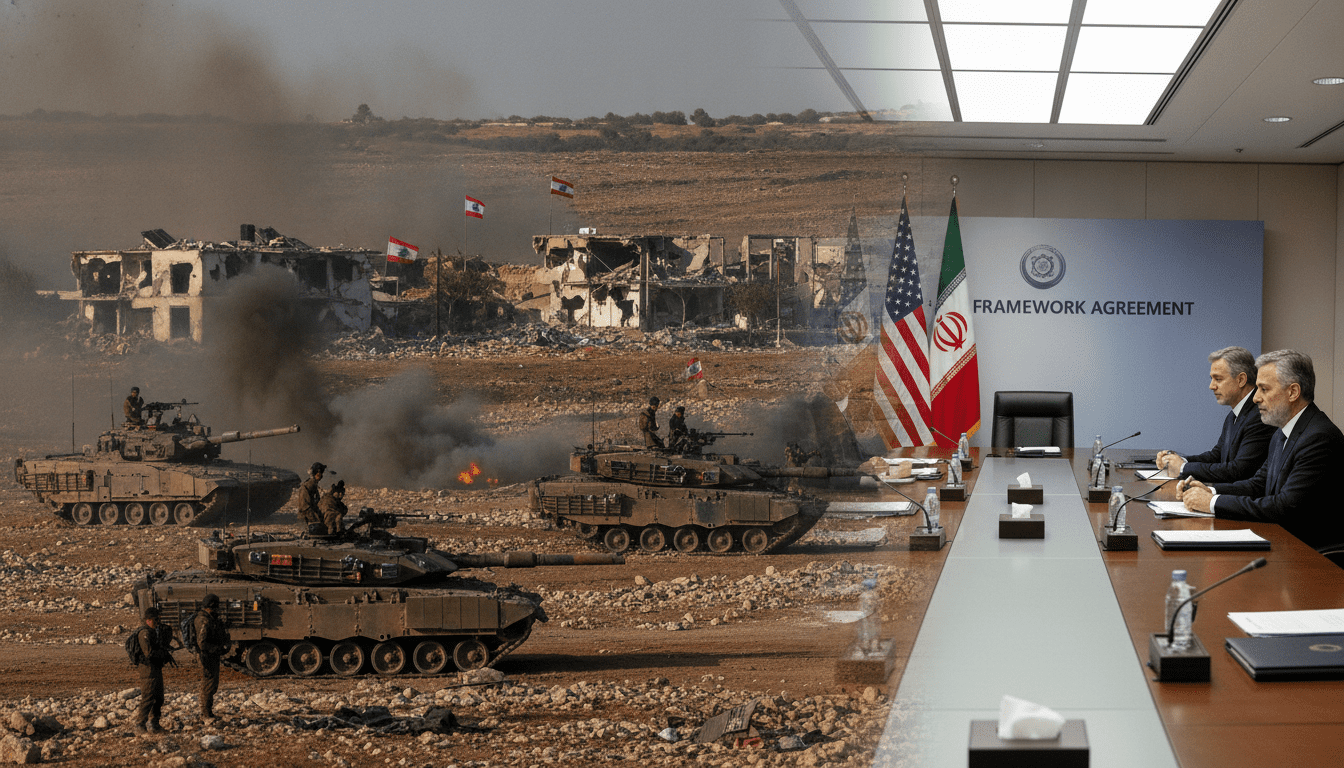
Israel-Hezbollah ceasefire frays as Israeli strikes hit Lebanon minutes after truce
Israeli forces struck Hezbollah positions minutes after an Israel-Hezbollah ceasefire took effect on June 19, 2026, jeopardizing the US‑Iran framework deal.
The Israel‑Hezbollah ceasefire that was declared on Friday, June 19, 2026, at 16:00 local time (15:00 in Germany) appeared to collapse within the first hour as Israeli strikes and counterattacks were reported on both sides. A U.S. official said the truce had been agreed to support a wider U.S.‑Iran framework, but Lebanese security sources and the Israeli military offered sharply different accounts of events as violence flared. Casualty figures and claims of violations quickly mounted, adding pressure to fragile diplomacy aimed at stabilizing the wider regional conflict.
Ceasefire agreed as part of U.S.-Iran framework
A U.S. official confirmed that Israel and Hezbollah had agreed to a ceasefire intended to dovetail with talks on a broader U.S.‑Iran framework aimed at reducing regional hostilities. The truce was timed for late afternoon on June 19 and was presented by Washington as a necessary step to protect parallel negotiations. Diplomats had framed the pause as a confidence-building measure that would allow negotiators to press ahead with more comprehensive arrangements.
Reports of strikes within the first 45 minutes
Lebanese security sources reported that Israeli forces carried out a dozen strikes in the first 45 minutes after the ceasefire came into effect, saying at least 12 separate incidents were recorded in that period. The Israeli military, however, said it acted against active threats and reported exchanging fire with Hezbollah during the same window. Independent verification of the precise sequence of events was limited amid continued restrictions on movement and reporting in frontline areas.
Military claims of wide campaign against Hezbollah positions
The Israel Defense Forces (IDF) said it had hit more than 150 Hezbollah positions in overnight and early‑morning operations prior to the ceasefire, and said troops would retain the right to respond to threats. An army spokesperson was quoted as saying Israeli forces would exercise full operational freedom to counter any hostile acts, language that underscored Jerusalem’s insistence on remaining able to defend positions in southern Lebanon. Israeli officials also said four soldiers were killed in recent exchanges and several others wounded, reflecting the intensity of the clashes.
Lebanon reports heavy civilian toll
Lebanon’s health ministry reported at least 47 people killed and 97 wounded in the latest rounds of strikes, including several members of the same family, according to a Beirut statement. Hospitals in southern Lebanon and the Nabatieh region reported an influx of casualties and damage to homes and infrastructure that local authorities said had exacerbated an already severe humanitarian strain. Humanitarian agencies warned that continued hostilities risked further civilian suffering and impeded emergency medical responses.
Hezbollah denies initiating violations, accuses Israel
Hezbollah denied that it deliberately broke the truce and accused Israeli forces of carrying out premeditated strikes on populated areas and military sites alike. The group’s statements framed its actions as retaliatory and said it would only halt fire if Israeli attacks ceased and forces withdrew from specified zones. These competing narratives of compliance and violation have complicated mediation efforts and fueled mutual distrust between the parties.
Diplomatic fallout and risk to the framework deal
Diplomats and analysts warned that renewed exchanges of fire would imperil the broader U.S.‑Iran framework that was linked to the ceasefire timetable, potentially stalling or unraveling delicate negotiations. U.S. mediators had presented the temporary pause in Lebanon as a component of a wider initiative to de‑escalate the Iran‑linked conflict, and any collapse risks drawing Tehran and Washington back into harsher confrontation. Regional actors and third‑party mediators have urged restraint and called for immediate verification mechanisms to prevent further breaches.
The immediate future remains uncertain as both sides traded accusations and as international envoys sought clarity about compliance and timelines. Military movements and localized strikes continued to be reported after the truce was announced, leaving civilians and negotiators alike to weigh whether the pause can be restored or will give way to further escalation.
