
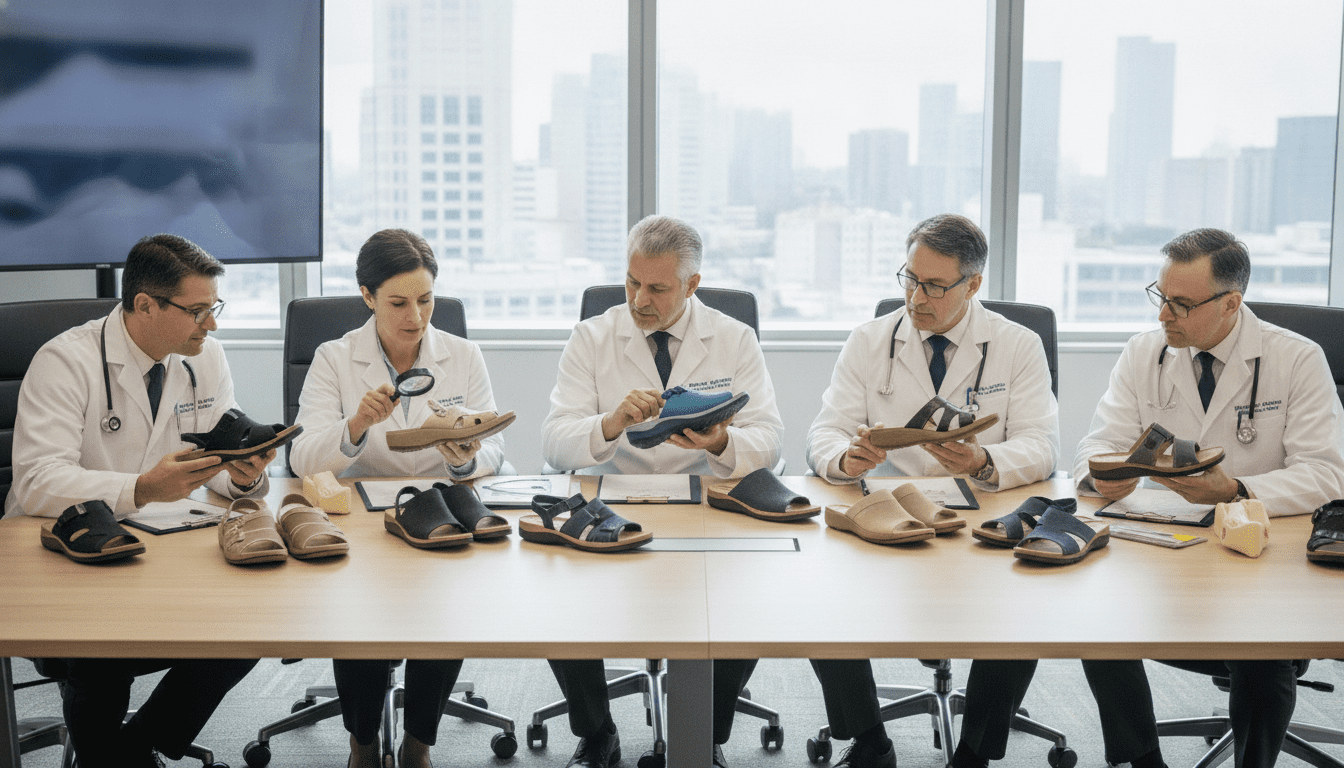
Best Sandals for Plantar Fasciitis: Tested Picks and Expert Guidance
Which supportive sandals relieve heel pain and prevent flare-ups? We tested 50+ pairs and consulted podiatrists to identify the best sandals for plantar fasciitis.
Quick summary of findings
A 2022 study and multiple podiatrists warn that unsupportive footwear often worsens plantar fasciitis, so choosing the right sandal matters for recovery and prevention. We tested more than 50 sandal models for over 5,000 hours, evaluating fit, cushioning, stability, responsiveness, build quality, and value. Our testing and expert interviews show that the best sandals combine a deep heel cup, reliable arch contour, and shock-absorbing midsoles to limit stress on the plantar fascia.
How experts describe the role of sandals in heel pain
Podiatrists emphasize that plantar fasciitis stems from repetitive strain on the band of tissue running from heel to forefoot, and footwear is a major modifiable factor. Clinicians including Mark Razzante, Anne Sharkey and Jason Spector told our team that sandals can be appropriate—provided they offer structured support rather than being excessively flimsy. They recommend avoiding completely flat, twistable designs and instead seeking heel counters, contoured arch support, and cushioning that reduces peak force on the heel.
Testing methodology and evaluation metrics
Our lab-style wear testing included more than 5,000 hours across varied surfaces and activities to assess real-world performance. Multiple testers wore each pair on city streets, trails and hard indoor floors while scoring comfort, fit, stability, cushioning, and long-term durability. We also performed manual flexibility and twist tests to confirm whether each sandal bent appropriately at the forefoot yet retained rearfoot rigidity—an important indicator of protective structure for inflamed plantar fascia.
Key sandal features that reduce plantar fasciitis pain
A molded heel cup stabilizes the rearfoot and centers impact forces away from the fascia during the gait cycle. Contoured arch support provides gentle lift and distributes load along the foot, while balanced cushioning absorbs shock without leaving the foot unsupported. Straps that secure the foot and a firm midsole that bends mainly at the toes both help prevent excessive pronation or midfoot collapse, which are common contributors to heel pain.
Top-performing sandals from our tests
Several models stood out for meeting expert criteria while delivering everyday wearability. Ecco’s Flowt stood out for its stable heel cup, gentle wedge and springy platform that reduced heel strike impact. Teva’s Hurricane XLT3 impressed as an all-terrain option with an adjustable strapping system and a thicker topsole for long walks. Hoka’s Hopara blended sneaker-like cushioning and grip for hikers who need extra shock absorption. The Teva Terra Fi 5 offered a curved sole and traction ideal for extended walking, while Birkenstock’s Mogami Terra delivered the molded footbed and deep heel cup many clinicians favor for flat-footed wearers. For short distances and standing relief, the Teva ApreTrail slides and Clarks’ Solevana recovery sandals provided plush underfoot comfort with surprising structural support.
Brand recommendations and clinical endorsements
Across interviews, podiatrists singled out a few brands for consistent supportive design. Hoka was frequently praised for generous yet controlled cushioning, which can be beneficial for people with high arches or heavy impact on heel tissue. Teva was noted for heel counters and grippy outsoles that stabilize gait, and Birkenstock was recommended for footbeds that naturally mold and maintain a supportive shape over time. Clinicians stressed that brand reputation aside, individuals must assess fit and the specific model’s construction.
Practical buying and fitting advice
When shopping, test sandals on a hard surface and walk several minutes to evaluate heel placement and midsole response. Check that adjustable straps allow the foot to be held without excessive pressure points, and perform a simple twist-and-bend test: the sandal should bend at the toes but resist being twisted in half. Consider a slightly elevated heel or wedge rather than fully flat soles if you have tight calves, since a small heel can reduce strain on the plantar fascia during walking.
For long-term relief, pair supportive sandals with nightly stretching, calf strengthening, and, if advised by a clinician, custom orthotics or temporary inserts that match your arch type. If pain persists despite footwear changes and conservative care, seek evaluation from a podiatrist to rule out other causes or discuss treatments such as guided injections or physical therapy.
Choosing the right sandals for plantar fasciitis can make the difference between ongoing pain and comfortable mobility; prioritize structure, cushioning, and fit to protect the heel while you recover.
