
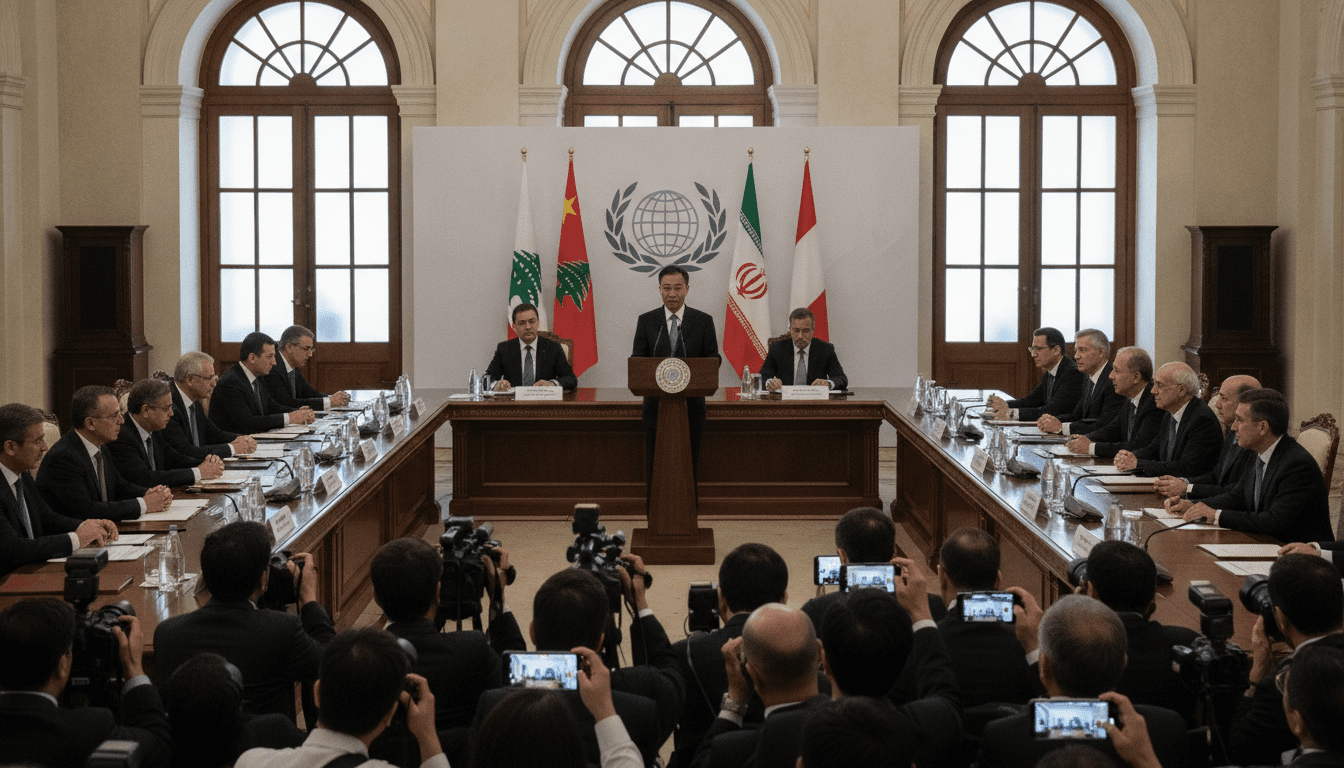
China to send humanitarian aid to Lebanon and Iran, pledges role in regional peace
China will send humanitarian aid to Lebanon and Iran and said it will help foster regional peace, responding to a growing humanitarian disaster in the Middle East.
Beijing announces aid shipment
China’s foreign ministry announced on June 17, 2026 that Beijing will dispatch a round of humanitarian assistance to Lebanon and Iran, signaling a stepped-up role in addressing the escalating crisis. The ministry described itself as “deeply saddened” by the scale of civilian suffering and framed the shipments as immediate relief rather than political intervention.
The announcement did not specify exact departure dates but said China would mobilize material supplies and coordinate logistics with relevant agencies. Officials emphasized that the aid is intended to alleviate urgent needs while China pursues diplomatic avenues to reduce tensions in the region.
Contents and logistics of the aid
Chinese authorities said the assistance package will include food, medical supplies and emergency shelter materials tailored to address shortages reported in both countries. Relief planners indicated priority items would be medicines, wound-care kits, field hospital equipment and basic rations designed for rapid distribution.
Logistical arrangements will rely on a combination of air and sea transport routes, with coordination reportedly underway between Chinese warehouses and regional partners. Sources within aid coordination circles expect the first consignments to move once customs clearances and delivery corridors are confirmed by receiving authorities.
Foreign ministry message and diplomatic framing
In Beijing’s formal statement, a foreign ministry spokesman called the humanitarian situation “deeply saddening” and urged all parties to protect civilians and allow uninterrupted relief operations. The spokesman reiterated China’s long-standing position that humanitarian needs should be addressed without politicization and that delivering aid is a moral imperative.
The language reflects Beijing’s attempt to balance humanitarian messaging with a broader diplomatic posture, positioning China as a constructive actor in a region long shaped by competing powers. Officials framed the effort as consistent with China’s proclaimed commitment to non-interference while emphasizing humanitarian obligations under international norms.
China’s stated role in regional peace efforts
Beyond delivering supplies, Chinese officials said Beijing will take an “active role” in fostering regional peace, a phrase that suggests increased diplomatic engagement. The ministry declined to outline specific mediation steps but indicated China would work with regional and international partners to pursue de-escalation and humanitarian access.
Analysts say Beijing’s dual focus—delivering aid while offering to mediate—aims to expand its influence in the Middle East and to present an alternative to traditional Western approaches. Chinese diplomats have in recent years deepened ties across the region through economic agreements and high-level visits, and this humanitarian response may widen that diplomatic footprint.
Responses from Lebanon and Iran
Both Beirut and Tehran received the announcement cautiously, welcoming assistance while underscoring their own channels for relief coordination. Lebanese officials noted long-standing shortages in essential supplies and framed international support as vital to stabilizing communities affected by the crisis.
Iranian state-affiliated outlets also reported Beijing’s pledge, stressing the importance of humanitarian corridors that respect national sovereignty. Officials in both countries signaled readiness to liaise with Chinese teams to arrange delivery routes and distribution networks where needed.
Humanitarian context and needs on the ground
Humanitarian organizations monitoring the region have warned of mounting civilian needs, including shortages of medical care, clean water and food in affected areas. Aid groups have urged all external actors to ensure safe access and to prioritize vulnerable populations, such as displaced families, children and the elderly.
Coordination challenges persist amid damaged infrastructure, constrained transport links and competing security concerns. Humanitarian planners say timely deliveries and clear distribution plans are essential to prevent further deterioration of living conditions and to reach communities cut off by conflict.
China’s pledge to send humanitarian aid to Lebanon and Iran arrives at a moment when international assistance and diplomatic engagement are both in high demand. How quickly the supplies move, and whether diplomatic overtures lead to concrete access guarantees, will determine the immediate impact of Beijing’s commitment.
The shipments are expected to be monitored by international relief agencies and regional partners to verify delivery and distribution. Observers will also watch for how Beijing’s engagement affects the wider diplomatic landscape and whether it prompts further international cooperation on relief and de-escalation.
