
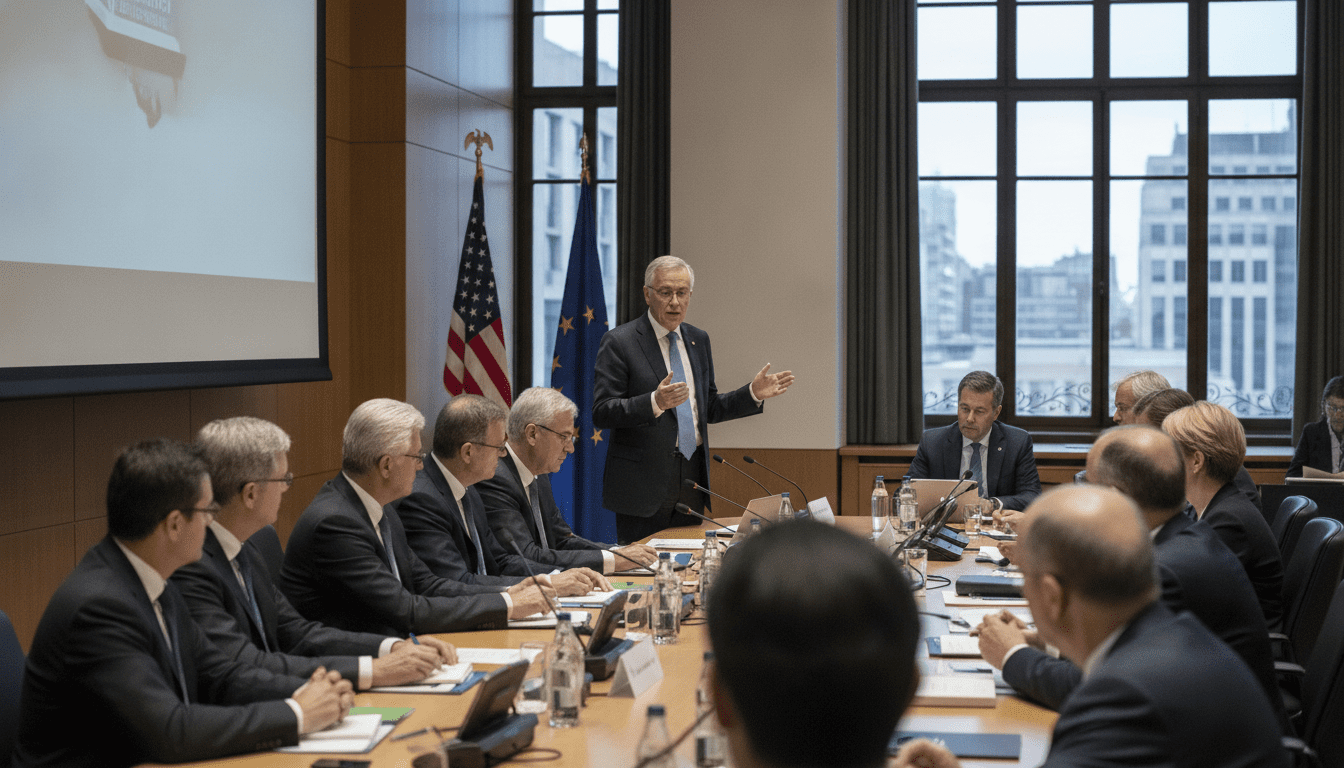
Hans-Dieter Lucas: Iran nuclear deal lessons from Vienna that could shape U.S.-Iran talks
Former German lead negotiator Hans-Dieter Lucas reflects on the 2015 Vienna Iran nuclear deal and shares diplomatic lessons for current U.S.-Iran talks.
Hans-Dieter Lucas, the 66‑year‑old diplomat who led Germany’s delegation during the 2015 Vienna negotiations, says the Iran nuclear deal was won through patient diplomacy and precise technical work. In a telephone interview, Lucas described long nights of bargaining with seasoned diplomats from the UN veto powers and the European Union, and he underscored the importance of pragmatism over rhetoric. His reflections aim to inform the U.S. approach in the current round of talks with Tehran and revisit the practical safeguards that secured the Joint Comprehensive Plan of Action.
Veteran negotiator recalls Vienna breakthrough
Lucas recalls the Vienna talks as a sequence of incremental compromises rather than a single dramatic breakthrough. He emphasizes that negotiators only reached agreement after sustained engagement on technical verification, timelines for sanctions relief, and mutually acceptable language.
The breakthrough in July 2015, Lucas noted, was the product of disciplined diplomacy that kept technical experts and political principals tightly coordinated. He argues that separating political signaling from the technical work allowed negotiators to close gaps that otherwise would have stalled the process.
High-stakes diplomacy and psychological pressure
Negotiations in Vienna were conducted under intense psychological pressure, Lucas says, with delegations tested by deadline dynamics and domestic political constraints. He describes counterparts who were experienced and sometimes hard‑nosed, requiring a steady negotiating posture and careful de‑escalation.
That environment demanded stamina and strategic pauses, not just tough postures. Lucas warns that impatience or public grandstanding can undermine trust and reduce the space for compromise, particularly when technical verification remains unresolved.
Negotiation tactics that delivered the JCPOA
Lucas credits several concrete tactics for the deal’s success: building a common technical baseline, sequencing deliverables, and maintaining back‑channel contact to resolve emergent problems. He highlights the role of working groups where experts hashed out verification mechanisms, centrifuge limits, and inspection regimes before political leaders signed off.
He also stresses that clear, verifiable milestones created a predictable framework. That predictability, in turn, enabled negotiators to trade politically sensitive concessions for robust monitoring measures, keeping the core nuclear constraints intact while allowing for carefully calibrated sanctions relief.
Applying those lessons to U.S.-Iran talks today
Lucas says the United States should prioritize technical clarity and realistic sequencing in any renewed negotiations with Iran. He urges negotiators to focus on what can be measured and verified rather than on maximalist demands that are politically tempting but technically ambiguous.
He recommends that U.S. and European teams work closely with inspectors and scientists from the outset, so verification is baked into the agreement rather than retrofitted later. According to Lucas, aligning diplomatic timelines with technical milestones reduces misunderstandings and lessens the likelihood of abrupt collapses in the talks.
Verification, trust and technical detail
For Lucas, verification is the backbone of any sustainable Iran nuclear deal, and it requires unambiguous access, transparent reporting, and realistic contingency plans. He notes that disputes over inspections or ambiguous language can quickly erode confidence and allow opponents to claim violations.
He suggests creating clear procedures for addressing compliance questions and agreed mechanisms for provisional measures while disputes are adjudicated. Those technical procedures, Lucas argues, give political actors breathing room and prevent crises from escalating into full diplomatic breakdowns.
Diplomatic channels and next steps
Lucas calls for multiple diplomatic channels, including quiet back channels, to resolve sensitive issues without the pressure of public posturing. He believes that these channels were essential in Vienna and will be equally important now, especially given heightened regional tensions and domestic political pressures on all sides.
He also urges that any negotiating framework be flexible enough to bring in regional stakeholders and technical bodies while keeping the core negotiating table focused and manageable. Such balance, he says, helps translate progress at the expert level into durable political commitments.
The lessons Lucas draws from Vienna center on discipline, technical rigor, and patient diplomacy. He cautions that the past cannot simply be replayed; circumstances have changed, and new negotiations will require updated approaches tailored to the present political landscape.
Yet the fundamentals remain relevant: precise verification, predictable sequencing, and careful management of political expectations. Those elements, Lucas contends, made the 2015 agreement viable and will be critical to any effort to reach a credible, enforceable Iran nuclear deal today.
