
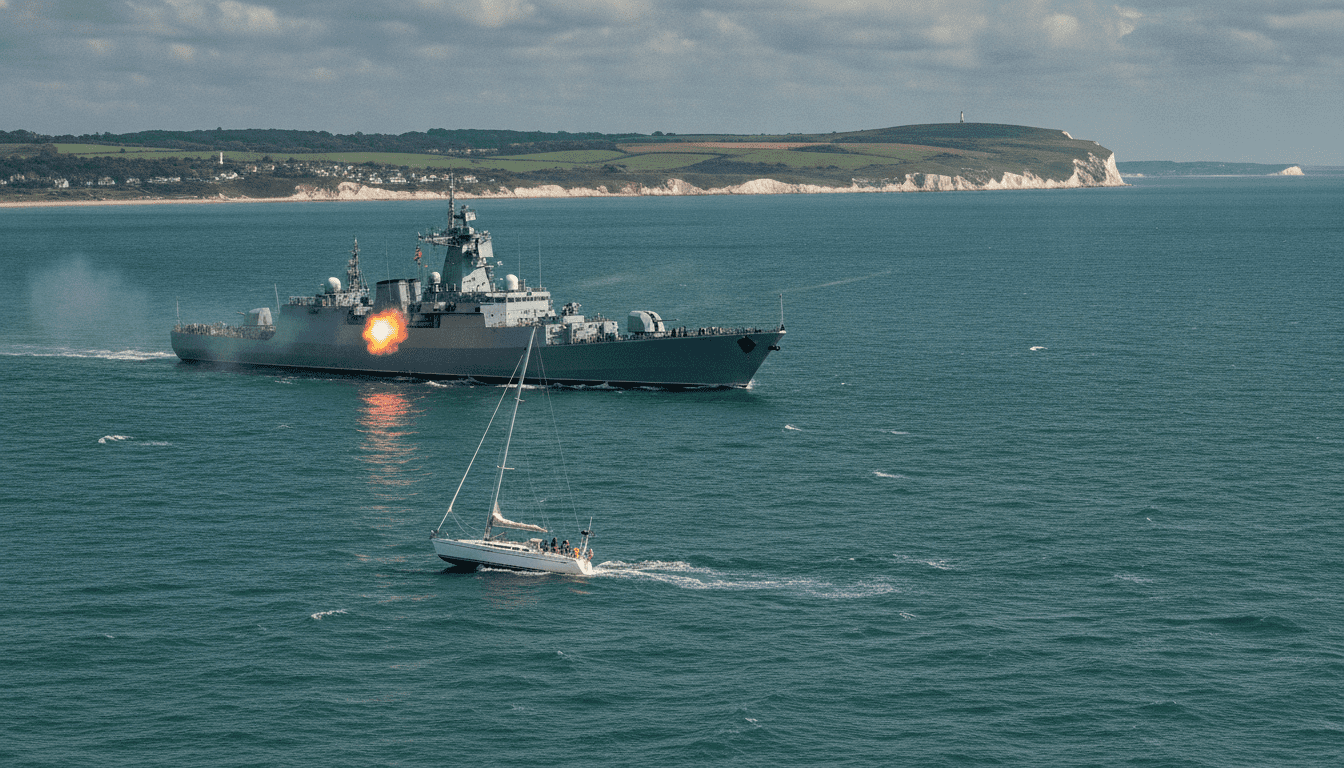
Russian frigate fires warning shots at civilian yacht in the English Channel
Russian frigate fires warning shots at a civilian yacht in the English Channel 37 km south of the Isle of Wight; no injuries reported, investigations under way.
A Russian frigate reportedly fired warning shots at a civilian yacht in the English Channel on Tuesday, the British Defence Ministry said, with no injuries or damage reported. The incident, described by Russian officials as a response to a vessel closing in on the warship, has prompted inquiries from UK authorities and statements from Moscow. The phrase “warning shots in the English Channel” encapsulates a rare and tense maritime encounter near UK territorial waters.
British and Russian accounts of the incident
The UK Defence Ministry said it is investigating reports that sailors aboard a Russian frigate discharged warning shots after a yacht approached the warship. British officials characterized the episode as an isolated event and emphasized there were no casualties or damage reported following the incident.
Moscow’s Defence Ministry issued a separate account, saying the frigate’s captain ordered warning shots after the yacht failed to respond to repeated contact attempts and closed within roughly 150 meters. The Russian ministry named the ship involved as Admiral Grigorovitch and maintained the action complied with international maritime rules.
Distance, location and sequence reported at sea
According to the accounts made public, the warning shots were fired from a distance of about 457 meters, in a position roughly 37 kilometers south of the Isle of Wight. UK sources said the shots were aimed at the water as an escalation-avoiding measure and not intended to strike the yacht directly.
British naval movements earlier in the week had included two UK ships shadowing the same Russian frigate west of Brest in France, a detail that situates the exchange amid heightened naval monitoring in the area. The proximity of commercial and leisure traffic in the English Channel makes any military-civilian interaction potentially hazardous.
Admiral Grigorovitch and recent Royal Navy actions
The Russian Defence Ministry identified the vessel as Admiral Grigorovitch, which British forces had been tracking after shadowing operations were reported on Monday. The frigate’s presence in the busy Channel corridor follows a separate British operation on Sunday when naval forces boarded a sanctioned oil tanker linked to what UK authorities call a “shadow fleet.”
That boarding marked a significant step by UK forces to intercept vessels they say are circumventing sanctions on Russian fuel exports, and it may have contributed to heightened alertness among nearby warships. British officials assert the tanker interdiction aimed to block revenue streams Moscow uses to finance its war in Ukraine.
Shadow fleet context and sanctions enforcement
British authorities have described a shadow fleet of more than 700 vessels operating under various flags to transport Russian oil and evade sanctions. The UK’s enforcement action against a sanction-listed tanker in the Channel is part of a broader crackdown intended to limit Moscow’s energy income.
Those moves have increased scrutiny of ships linked to Russian interests across Western maritime approaches and raised the likelihood of close encounters between naval units and civilian or commercial vessels. Analysts say such operations create friction points that require strict adherence to international maritime protocols.
Legal frameworks and use of warning shots at sea
Under international law and customary maritime practice, warning shots are typically used to compel compliance or establish intent without immediately resorting to force. Both the UK and Russia referenced navigational safety and the need to de-escalate the situation in their statements following the incident.
Legal experts note that any use of warning shots must be justified by an imminent safety concern or a clear breach of navigation rules, and that coastal states have responsibilities for maritime security. Investigations by naval authorities will likely examine radio records, navigational tracks and whether internationally accepted procedures for interaction with civilian craft were followed.
Diplomatic and operational aftermath
Following the exchange, UK defence officials said inquiries would continue and reiterated that the incident was being treated as isolated. London has not, as of the latest statements, signaled immediate diplomatic retaliation but has kept naval assets on alert in the area to monitor further movements.
Moscow has defended its crew’s actions as measured and consistent with maritime safety standards, while UK authorities continue to review evidence from the scene. The episode will add to ongoing diplomatic discussions about freedom of navigation and the enforcement of sanctions at sea.
The incident underscores the risks of military and civilian vessels operating in close quarters within one of the world’s busiest shipping lanes, and it will likely prompt renewed emphasis on communication protocols and rules of engagement to prevent future escalations.
