
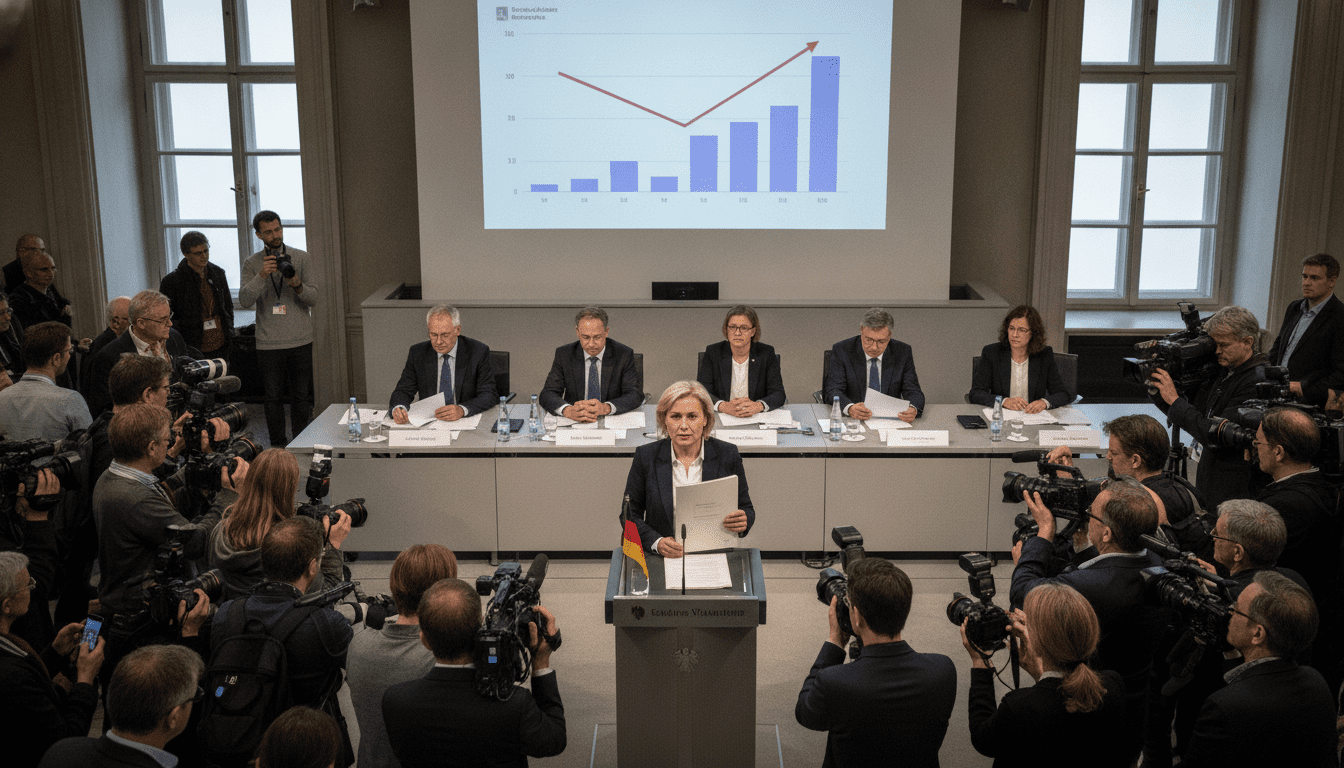
National Education Report 2026 Shows Education Inequality Persists in German Schools
The 2026 education report finds persistent inequality in German schools, with teacher shortages, falling student performance and gaps tied to social background.
Germany’s national report Bildung in Deutschland 2026, published in Berlin, warns that education inequality remains a defining feature of the school system. The analysis links pupil outcomes closely to social origin and highlights a shortfall of qualified personnel across levels. Policymakers and school leaders are being urged to act as the report documents widening disadvantages that undermine equal opportunity.
Social background remains the strongest predictor of outcomes
The report finds that family background continues to shape academic trajectories more than reforms have managed to change. Children from lower-income or less-educated households are still less likely to complete upper secondary qualifications and more likely to fall behind at earlier stages. Examining transitions between school types, the authors note persistent stratification that channels children into divergent pathways based on non-academic factors.
Poverty, parental education and migration background are repeatedly cited as drivers of unequal access to resources and enrichment outside school. The report stresses that schools alone cannot erase these disparities but must be supported to mitigate their effects. It calls for coordinated action across education, social services and community programs to blunt the influence of social origin.
Shortage of qualified teachers and support staff highlighted
A principal weakness identified is the lack of suitably qualified staff in classrooms and specialist roles. Schools reported vacancies for teachers, special education professionals and school psychologists, with some regions experiencing acute recruitment problems. The shortage undermines efforts to offer timely interventions and to maintain consistent instruction, the report warns.
Budgetary constraints and working conditions are named as factors deterring prospective recruits and prompting early exits from the profession. The analysis recommends targeted incentives, better professional development and measures to stabilize school staffing in disadvantaged areas. Without addressing personnel deficits, many proposed reforms risk remaining ineffective.
Student performance shows troubling downward trends
Across several measures the report documents declines in student performance compared with prior cycles, particularly in reading and mathematics. Early literacy and numeracy gaps are widening for cohorts from lower socioeconomic backgrounds. These trends, visible in standardized assessments and internal evaluations, raise concerns about long-term labor market readiness.
Educators point to larger class sizes, uneven access to remedial programs and the cumulative effect of personnel shortages as contributing causes. The report urges renewed emphasis on early childhood education and evidence-based classroom practices to arrest the decline. It also recommends strengthening diagnostics so schools can identify learning loss sooner and deploy support more effectively.
Regional disparities deepen educational inequity
The report details significant variation between states and between urban and rural districts in resources and outcomes. Some Länder display stronger retention of qualified teachers and more robust support networks, while others struggle with aging school buildings and fewer extracurricular opportunities. These regional differences amplify social inequality when families have little ability to move to areas with better provision.
Funding formulas and the degree of local autonomy are described as influencing how effectively regions can respond to challenges. The report suggests revisiting allocation mechanisms to ensure funds flow to schools facing the steepest obstacles. It also highlights promising local initiatives that pair schools with community organizations to expand learning opportunities outside standard hours.
Policy responses face political and practical hurdles
While the report offers a suite of policy recommendations, implementing them will demand sustained political commitment and additional investment. Proposed measures include expanding early childhood programs, targeted recruitment drives for teachers, and enhanced vocational and remedial pathways. The authors caution that piecemeal changes without systemic coordination are unlikely to close the gaps.
Opposition in some quarters centers on fiscal limits and competing priorities, especially as other national and international developments exert pressure on public budgets. The report frames educational spending as long-term investment in social cohesion and economic productivity, urging a cross-party consensus to prevent widening disparities from becoming entrenched.
Other developments reported today
Separately, global developments touched markets and security matters that intersect with domestic debate on public spending. Reports that a US Iran agreement could ease pressure on oil markets contributed to a notable drop in crude prices and rallied equities. Meanwhile, preparations for the G7 summit by a host country have raised concerns about protest-related costs and logistical burdens. In international security news, attacks in Ukraine damaged prominent cultural and religious sites, prompting condemnation and discussion of heritage protection.
Sporting events also provoked public attention as the World Cup in North America saw political protests and controversies over gestures and reactions in stadiums. These stories underscore a crowded public agenda against which education reform efforts must compete for attention and resources.
The Bildung in Deutschland 2026 report presents a stark assessment that educational inequality in German schools remains deeply rooted and multifaceted. Its findings place renewed pressure on federal and state authorities to coordinate funding, recruit and retain staff, and target early interventions so that social background no longer determines a child’s academic future.
