
Justice Department Clears Paramount Skydance Takeover of Warner Bros. Discovery
DOJ clears Paramount Skydance takeover of Warner Bros. Discovery in a $111 billion deal; actors and states warn of antitrust and newsroom risks across media markets.
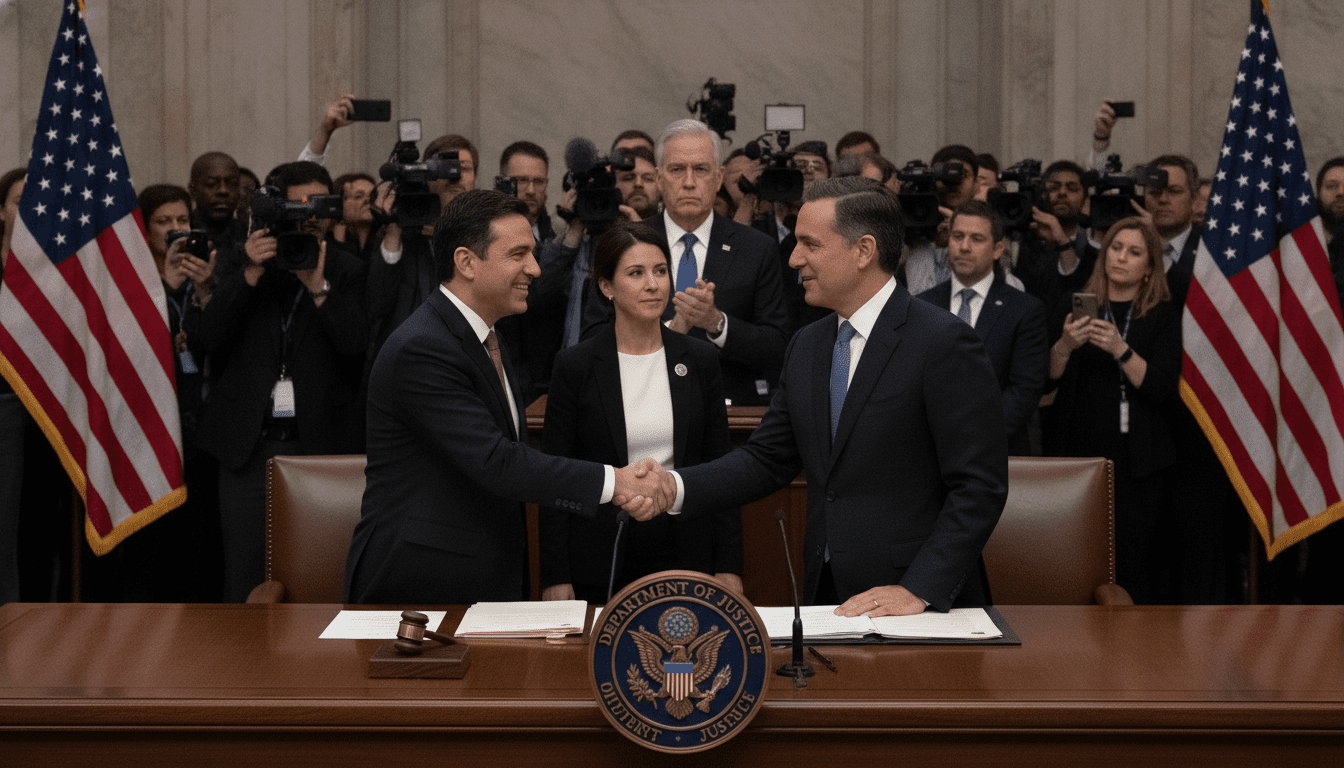
The Justice Department’s antitrust division on June 12, 2026, approved the Paramount Skydance takeover of Warner Bros. Discovery, concluding a months-long review without requiring concessions. The department said the merger was not likely to harm competition in streaming, traditional television or the film industry and would not substantially lessen competition or harm American consumers. The decision marks a major regulatory milestone for the $111 billion transaction and moves the deal closer to closing even as legal and political battles continue.
Justice Department Clears $111 Billion Deal
The DOJ’s approval follows an inquiry that examined the combined company’s potential effects on streaming services, broadcast networks and film production supply chains. Officials concluded that the acquisition would not materially restrict consumer choice or raise prices, a determination that allowed the agency to sign off without imposing structural or behavioral remedies. The ruling emphasizes that antitrust review focused on measurable harms to consumers rather than broader industry concentration metrics.
The department noted it had weighed evidence from competitors, suppliers and industry data during its review. DOJ statements described the analysis as comprehensive and centered on whether the merged company would be able to exercise market power in ways that would hurt viewers or advertisers. With federal clearance in hand, attention now shifts to pending state-level challenges.
Terms of the Transaction and Corporate Backing
Paramount’s agreement to acquire Warner Bros. Discovery covers the entire WBD group, including cable channels and the news outlet CNN, and carries a price tag of about $111 billion, roughly €96 billion. The deal follows a bidding process that saw Netflix withdraw, leaving Paramount Skydance as the eventual purchaser after terms were agreed late in February. Shareholders in both companies voted in favor of the transaction in late April 2026, clearing the corporate approvals required to proceed.
The transaction is backed by Paramount chief David Ellison and his father, Oracle co-founder Larry Ellison, figures who have been identified as supporters of former President Donald Trump. That background has intensified scrutiny of the acquisition’s implications for media governance and editorial independence at newly acquired outlets.
Hollywood Talent Issues Open Letter
Ahead of the Justice Department’s decision, a broad coalition of actors, writers and directors publicly voiced opposition to the takeover. In an open letter circulated earlier this year, creative professionals including Ben Stiller, Sandra Hüller and Joaquin Phoenix warned the merger could weaken competition, narrow creative diversity and worsen working conditions across the industry. The signatories urged regulators to consider the broader cultural and labor impacts of consolidation in Hollywood.
Industry unions and guilds have echoed some of those concerns, arguing that fewer corporate owners could reduce bargaining leverage for talent and crew. While antitrust law centers on consumer welfare and prices, the cultural and labor arguments have nonetheless formed part of the public debate around the merger.
Concerns Over CNN and Newsroom Independence
Critics of the deal have focused particularly on the potential effects for CNN and other newsrooms that would come under the new corporate umbrella. Observers point to the Ellisons’ political affiliations and recent high-profile editorial appointments as reasons to worry about potential influence over news coverage. In recent months, scrutiny intensified after the controversial appointment of Bari Weiss to a senior role at CBS News, a network already under the broader ownership changes tied to the Skydance-Paramount transactions.
Supporters of editorial independence warn that combining major news brands under a single corporate ownership raises the risk of partisan influence or the perception of bias, even if newsroom walls remain formally intact. Company executives have publicly pledged to preserve editorial autonomy, but critics say assurances will be tested if commercial or political pressures arise.
States Prepare Antitrust Lawsuit This Month
Federal approval does not preclude legal challenges at the state level, and on June 12 reports indicated that ten U.S. states led by California were preparing a coordinated lawsuit to block or modify the transaction. State attorneys general often pursue antitrust cases independently of the DOJ, and a successful state suit could delay or alter the deal’s terms. The pending actions are expected to be filed in June 2026, according to those reports, and would likely focus on competitive harms not fully addressed in the federal review.
Legal experts say state litigation could hinge on different legal theories or evidence than the DOJ’s assessment and might seek structural remedies such as divestitures. The litigation timetable and outcomes could determine whether the merger closes on the calendar originally anticipated by the companies.
Market Implications for Streaming, Television and Film
If completed, the merger would create one of the largest media conglomerates in the U.S., combining substantial film libraries, production capacity and distribution channels across streaming and linear television. Proponents argue the scale could yield efficiencies, larger investments in content and improved global reach that benefit consumers and creators. Opponents counter that consolidation reduces the number of independent rivals, which can stifle innovation and reduce choices for subscribers and advertisers.
Analysts say much will depend on how the combined company integrates operations and whether regulators or courts ultimately require divestitures or behavior commitments. For consumers, immediate effects are uncertain, but industry players will watch closely for changes to licensing, platform offerings and investment priorities.
The DOJ’s June 12 clearance is a significant procedural victory for Paramount Skydance, but it does not mark the end of the merger’s contested path; legal challenges from multiple states and sustained industry scrutiny mean the transaction’s final form remains unresolved. Legal filings expected this month and subsequent court rulings will be key milestones to monitor as the companies seek to complete the largest media consolidation in recent years.
