
SpaceX IPO Rockets to Record $1.77 Trillion Valuation as Shares Open Above $170
SpaceX IPO surges at Nasdaq as shares open above $170, raising $75 billion and valuing the company at $1.77 trillion while Elon Musk pledges missions to the Moon and Mars.
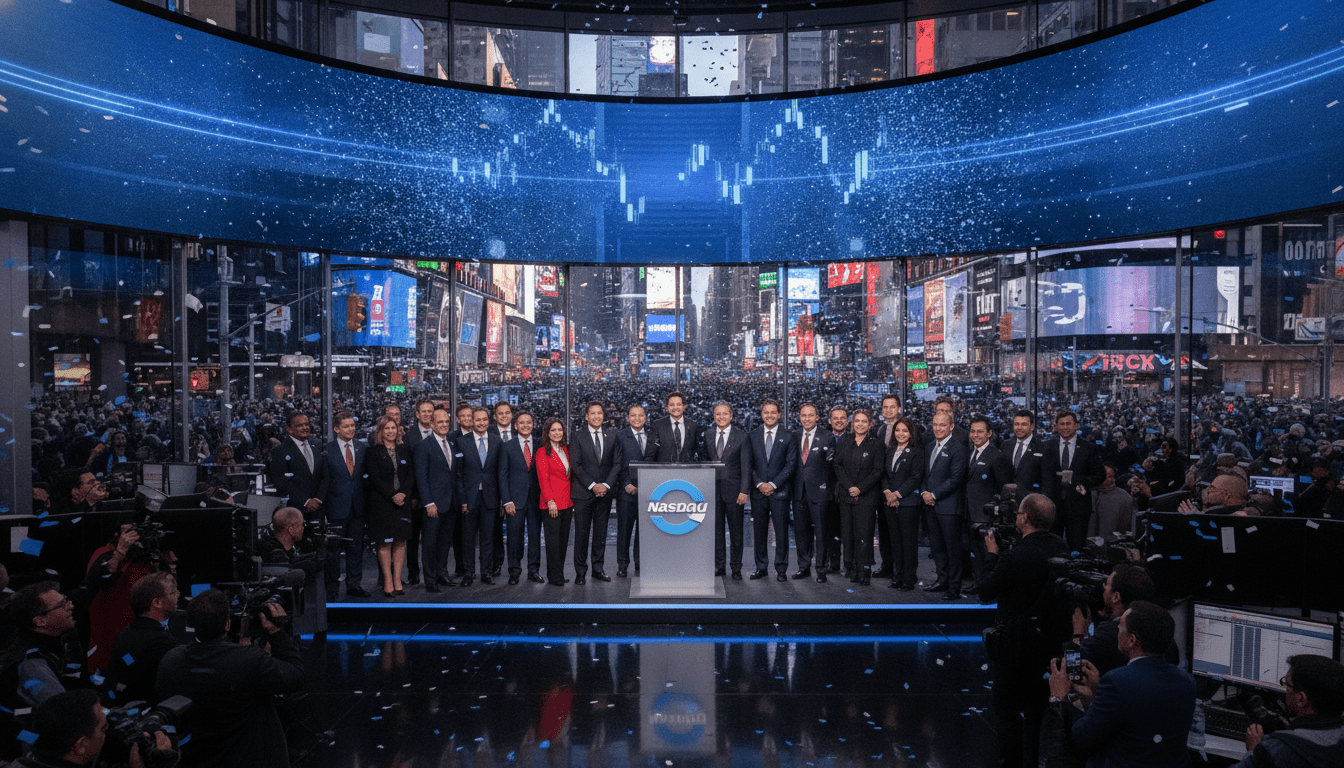
SpaceX’s landmark IPO opened on the Nasdaq with shares indexed above $170 at 9:30 a.m. Eastern Time, a near-30 percent premium to the $135 offering price and a signal of strong investor appetite for the SpaceX IPO. The sale of newly issued stock is reported to have raised roughly $75 billion, positioning the company among the most valuable in the United States. Traders and market makers collected buy and sell interest before establishing an official first trade price later in the session as the exchange sought to balance orders.
Trading Start and Initial Pricing
Nasdaq began collecting orders at the opening bell, and market participants saw shares show up above the offering price almost immediately. That gap reflects both heavy demand and the typical volatility that accompanies the debut of a widely anticipated public company.
Exchange rules require the market to find an equilibrium price, so an official continuous trading price was expected later in the U.S. trading day. Underwriters also reserved an option to sell up to 83 million additional shares, a move that could raise total proceeds to about $86 billion if exercised.
Size of the Offering and Valuation
The SpaceX IPO is being described by market observers as the largest in history by proceeds, with the company taking in roughly $75 billion from the primary sale of shares. With the initial market capitalization estimated at approximately $1.77 trillion, SpaceX now sits among the handful of U.S. firms that cross the trillion-dollar threshold.
By comparison, the prior record for proceeds from a single listing was Saudi Aramco’s 2019 offering, which raised $25.6 billion. The scale of SpaceX’s debut underscores the rare combination of investor enthusiasm and the company’s expansive business footprint.
Investor Demand and Underwriting Mechanics
Investment banks that underwrote the deal collected orders from institutional and retail clients in the days leading up to the listing, pricing the offering at $135 per share. The strong aftermarket showed significant retail and institutional demand, driven in part by SpaceX’s growth narrative and strategic assets.
The underwriters’ overallotment option — commonly called a “greenshoe” — allows banks to buy additional shares to cover excess demand and stabilize post-offering trading. If exercised in full, that option would increase proceeds by roughly $11 billion, stretching total intake closer to $86 billion.
Business Lines Behind the Valuation
SpaceX’s valuation rests on multiple revenue streams, including launch services for government and commercial customers and the Starlink satellite internet constellation. The company has secured lucratively priced launch contracts with NASA and other agencies, which helped underpin investor confidence ahead of the IPO.
Starlink has been positioned as a high-growth business unit with subscription revenue potential worldwide, though it has required substantial capital expenditure to deploy and operate the satellite network. Company filings indicate that recent spending on artificial intelligence and other ventures has weighed on near-term profitability.
Elon Musk’s Vision and Public Statements
At the Nasdaq opening, Elon Musk framed the listing as a step toward broader ambitions, including accelerated lunar and Martian missions. He told employees that SpaceX intends to return humans to the Moon and to pursue missions “to Mars and ultimately beyond,” language that echoes long-standing company objectives.
Musk’s public comments during the debut helped stoke media attention and investor interest, with analysts noting the alignment between the firm’s long-term technology projects and its valuation. Some observers cautioned that lofty exploration goals will require sustained capital and could keep earnings volatile in the near term.
Market Context and Risks
While the SpaceX IPO has been met with enthusiasm, analysts highlight a number of risks that could affect long-term returns. Heavy capital spending on Starlink and research into artificial intelligence has produced recent losses, according to regulatory filings, and competition in satellite services and launch markets is intensifying.
Macro factors such as interest rates, geopolitical tensions affecting space exports, and regulatory scrutiny of dual-use technologies could also influence performance. Market participants said they would watch trading in the days and weeks ahead to gauge whether the opening premium is durable or a short-lived effect of debut demand.
SpaceX’s public debut marks a major milestone for the private spaceflight industry and for its founder, whose holdings are now widely reported to place him among the richest individuals in modern history. Whether the company’s ambitious exploration plans and commercial ventures can translate into stable, long-term returns will be tested as it trades under the public market’s scrutiny.
