
Germany gives Environment Ministry power to set ecological packaging fees under EU packaging regulation
Berlin moves to align license fees with recyclability and recycled content while implementing the EU packaging regulation to curb waste.
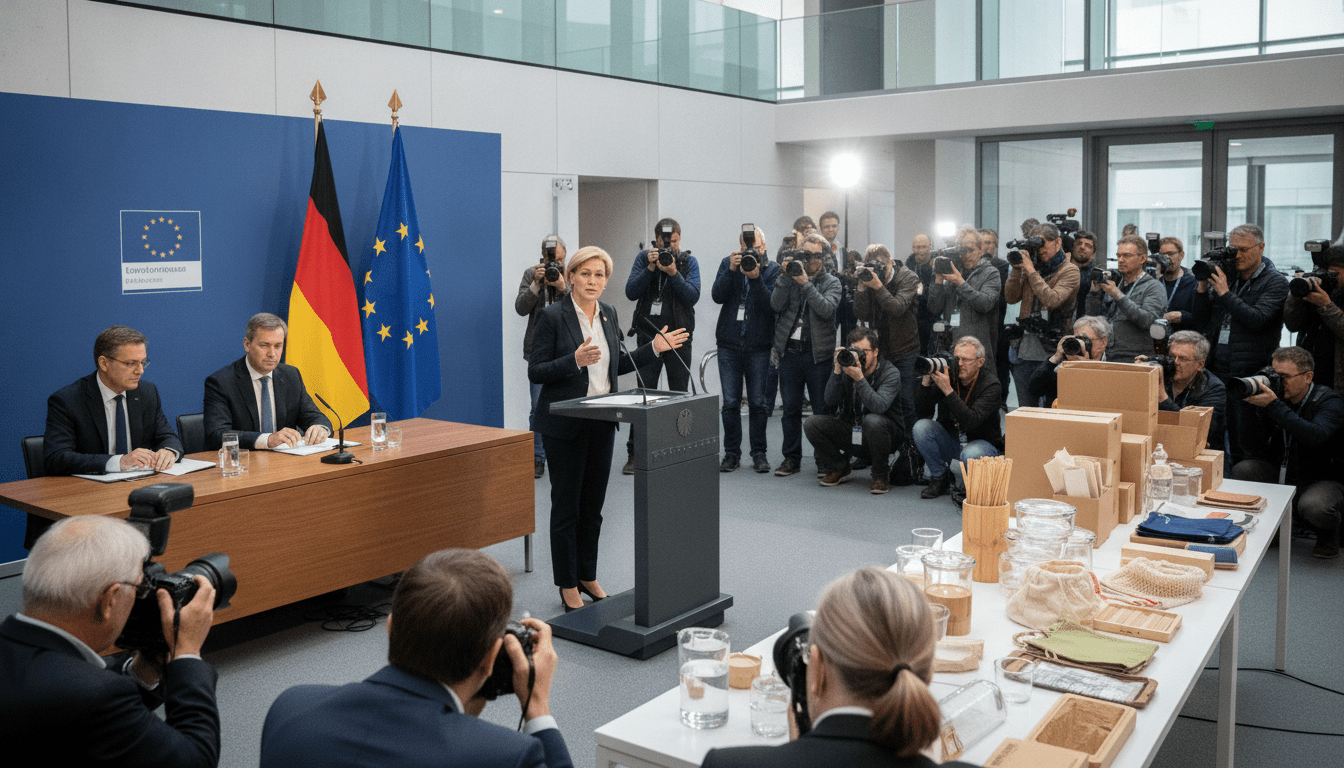
Germany’s parliament voted late on Thursday, June 11, 2026, to grant the Federal Environment Ministry authority to issue regulations that steer license fees for packaging toward ecological criteria under the EU packaging regulation. The move is intended to create market incentives for recyclable packaging and the use of recycled materials in packaging, with new rules expected to take effect from next year. Lawmakers from the governing CDU/CSU and SPD coalition backed the measure as part of a broader package to adapt German law to EU requirements.
Bundestag authorises environmental ministry to issue ecological-fee regulations
The Bundestag approved the provision as part of the Packaging Law Implementation Act, empowering the environment ministry to set binding criteria for how the dual systems calculate license fees for packaging collection and recovery. The coalition argued the change translates promises from the coalition agreement into enforceable policy, giving the ministry the regulatory means to promote environmentally preferable packaging. The authorization is framed as necessary to meet obligations stemming from the EU packaging regulation and to deliver clearer incentives to manufacturers and distributors.
New fees to reward recyclability and recycled content
Starting next year, license fees charged by Germany’s dual systems will be required to reflect ecological performance more closely, with higher charges for less-recyclable packaging and discounts for designs that use recycled content or are easier to recycle. The law includes explicit aims to boost markets for recyclates — materials produced from recycled waste — and to favor recyclates manufactured within the EU. Lawmakers also signalled a push to secure further approvals at EU level for the use of recyclates in food-contact packaging, a step supporters say is crucial to broaden demand.
Industry voices welcome but ask for market certainty
Representatives of the recycling and waste-management sector welcomed the parliamentary approval while calling for predictable market mechanisms to follow. The head of the Federal Association for Secondary Raw Materials and Disposal (bvse), Jörg Lacher, said political objectives must be backed by functioning market signals to create reliable offtake for recyclates. Industry stakeholders have stressed that clear, long-term regulatory parameters are needed to justify investments in recycling capacity and to ensure a stable demand for secondary raw materials.
AfD and some businesses warn of additional costs
Opposition critics, led by the AfD parliamentary group, argued the reform adds regulatory burdens for producers and could raise prices for consumers. The federal government’s own impact estimate put additional annual costs for the economy at roughly €2.5 million, together with one-off transition costs of about €4.5 million. AfD members said the measure shifts costs onto businesses and ultimately households and questioned whether a regulatory authorisation alone resolves underlying cost and steering questions.
Greens and environmental groups say measures fall short on reuse
Green MPs and environmental organisations welcomed steps toward better recycling but said the package did not go far enough on waste prevention and reuse. Green environmental spokesman Jan-Niclas Gesenhues criticised the removal of a planned ministry-led body to drive packaging avoidance and reduction. The Greens unsuccessfully proposed a motion calling for a nationwide reuse infrastructure and a levy on single-use takeaway packaging to accelerate a shift toward multi-use systems.
Implementation timeline and next steps toward EU compliance
The government frames the law as a necessary national adaptation of the EU packaging regulation, with implementation milestones that require administrative follow-through in the months ahead. Officials say the ministry will prepare the regulatory criteria for ecological license fees and consult stakeholders, while the dual systems will need to align fee structures and reporting practices to the new rules. The German adaptation has a compliance window tied to the EU timetable, and national authorities must finalize implementing measures ahead of the EU deadlines to avoid legal or market uncertainty.
The parliamentary decision marks a targeted attempt to harness market levers in pursuit of a circular economy for packaging, combining regulatory authority with industry and political debates about costs, reuse and the pace of reform.
