
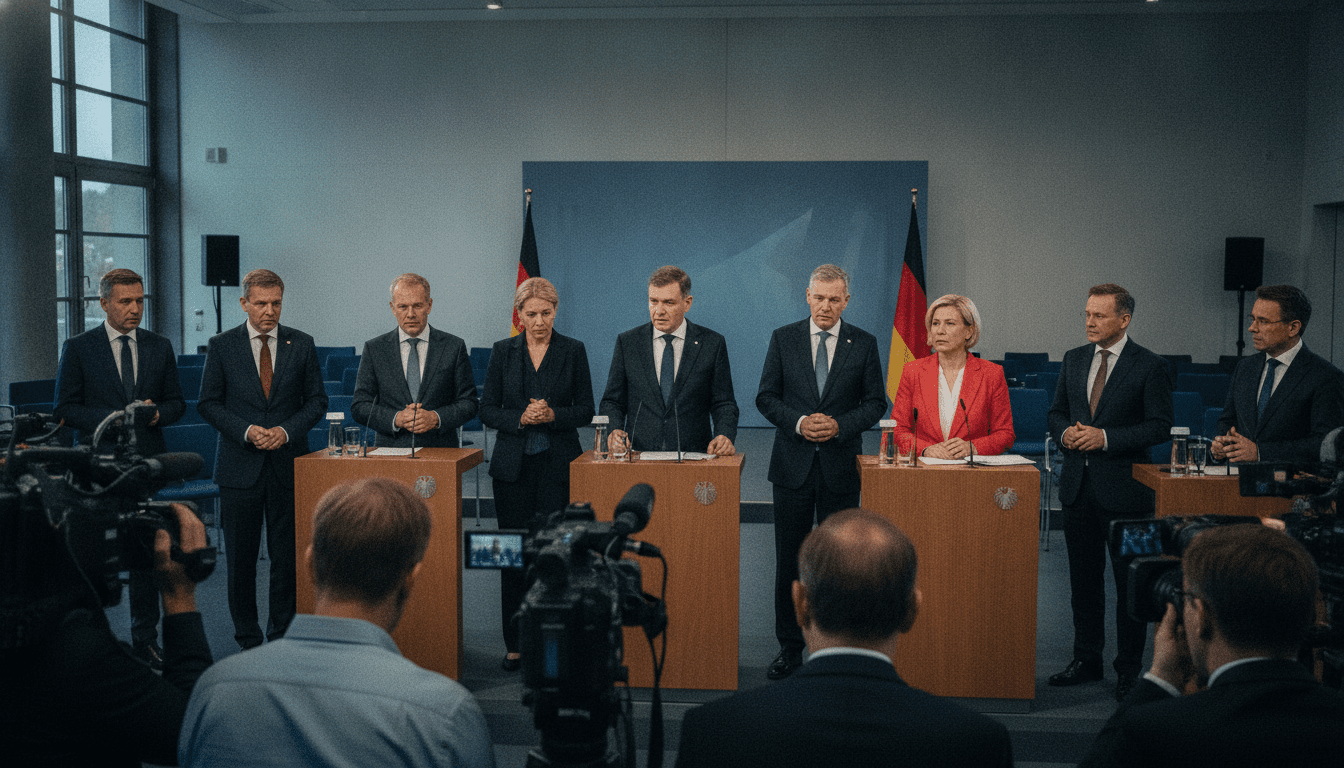
Crisis in government-citizen relations deepens as voters call politicians “generic”
Voter disaffection fuels a crisis in government-citizen relations as politicians are seen as generic and unauthentic, undermining public trust and legitimacy.
Political leaders are facing what analysts describe as a widening crisis in government-citizen relations, as growing numbers of citizens report feeling ignored and emotionally detached from elected officials. Public commentary increasingly frames politicians as interchangeable and scripted, a perception that political strategists warn could weaken democratic responsiveness. The shift is both substantive—affecting support for concrete policies—and emotional, shaping how people perceive the legitimacy of governing institutions.
Public trust erodes amid perceptions of inauthentic leadership
Surveys and qualitative research point to a steady decline in trust where citizens perceive leaders as lacking individual character. Many voters say they no longer recognize distinct values or personalities in mainstream parties, describing campaign rhetoric as predictable. This erosion of trust complicates routine governance, because public willingness to accept costly or complex policy measures often relies on perceived authenticity.
Political messaging described as repetitive and hollow
Observers note that much political communication has converged toward short, formulaic talking points designed for soundbites rather than civic persuasion. The result is a communications environment in which messages are recycled and adapted across parties, reinforcing impressions of interchangeability. When messaging appears engineered primarily for media circulation, it can alienate citizens who expect substantive debate about trade-offs and priorities.
Emotional disconnect fuels voter alienation
Beyond factual disagreements, many citizens report an emotional gap: they feel leaders do not speak to their lived concerns or exhibit recognizable values. This emotional disconnect manifests as frustration, apathy, or anger and can incentivize protest voting or disengagement from formal political channels. Political scientists warn that when citizens perceive representatives as merely procedural actors, the relationship between rulers and the governed becomes transactional rather than fiduciary.
Implications for policy legitimacy and compliance
A crisis in government-citizen relations threatens more than approval ratings; it can undermine the social licence governments need to implement complex policies. When policymakers lack broad public assent, compliance with public-health directives, economic reforms, or redistribution measures becomes harder to achieve and easier to contest. The legitimacy gap also increases the risk of polarization, as groups seek alternative avenues to press their demands outside mainstream institutions.
Parties test new personalities and message strategies
In response, parties across the spectrum are experimenting with personality-driven campaigns, localized outreach, and changes to candidate selection to restore distinctiveness. Some parties are elevating leaders with clearer backstories or more visible decision-making styles, while others pilot grassroots programs to rebuild direct lines of contact. These efforts carry risks: personality politics can deepen personalization of power and distract from institutional reform if not paired with policy clarity.
Experts call for structural transparency and civic renewal
Analysts and civic advocates argue that reversing the trend requires both institutional and cultural measures: clearer accountability mechanisms, more transparent policymaking, and improved opportunities for deliberative engagement. Suggestions include strengthening local governance channels, expanding participatory budgeting, and investing in civic education to rebuild mutual expectations between citizens and officials. Experts stress that authentic leadership alone will not suffice without changes that make political processes more accessible and comprehensible.
Restoring confidence in representative institutions will demand sustained attention to both the content and tone of politics, and to the systems that shape who governs and how. Addressing the crisis in government-citizen relations means rebuilding meaningful dialogue, demonstrating policy competence, and creating institutions that reinforce accountability and responsiveness. Only by bridging the emotional and substantive divides can governments hope to regain the trust necessary for stable governance.
