
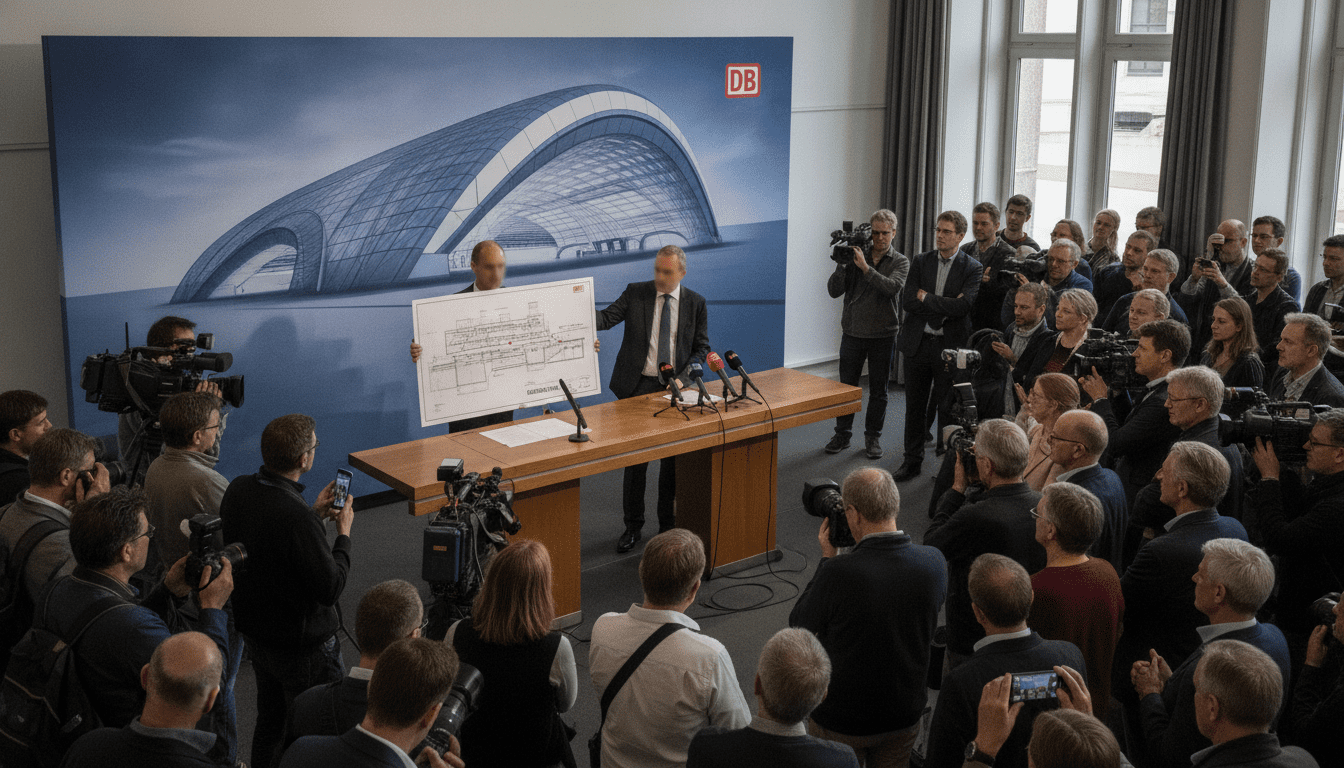
Stuttgart 21 may open in December 2031, media report says
Stuttgart 21 could be delayed to December 2031, media report says. Deutsche Bahn will present a new commissioning plan at the end of June 2026 amid fresh debate.
Stuttgart 21 faces a fresh projected delay that would push full operation of the new through station to December 2031, according to reports in German media. The proposed date, first reported by the Frankfurter Allgemeine Zeitung and corroborated by the Südwestrundfunk, would mean the project comes online roughly a decade later than originally envisaged. Deutsche Bahn has declined to comment on the “speculations” but said it will publish a new in‑service concept at the end of June 2026.
Media reports set new opening target: December 2031
Multiple outlets cited sources close to the Stuttgart 21 project who say December 2031 is now the target for completing the through station and related systems. The accounts do not yet identify a single decisive cause for the extension, and they frame the date as a revised planning horizon rather than a formal announcement.
Those reports mark another milestone in a long-running, contentious process that has seen repeated timetable and budget adjustments. Project partners and contractors have not released a joint statement confirming the revised schedule.
Deutsche Bahn declines to confirm and schedules June briefing
A spokesperson for Deutsche Bahn told journalists the company would not comment on media speculation and reiterated that a new in‑service concept will be presented at the end of June 2026. The DB statement, as reported, framed the forthcoming briefing as the venue for detailed scheduling and sequencing information.
By setting a public date for the concept release, Deutsche Bahn signals it intends to manage the message through formal channels rather than reacting to press leaks. Stakeholders across state and federal levels will be watching the DB presentation for concrete dates, testing timetables and the order in which construction phases will be declared operational.
Unclear technical and regulatory hurdles remain a focus
While the reports do not list specific technical failures, industry observers say complex systems integration and safety certification often drive late-stage slippage in major rail projects. Integrating signalling, power supply and platform systems for a through station the size of Stuttgart 21 requires extended testing and iterative approvals from regulatory bodies.
Construction challenges such as tunnelling works, interfaces between legacy and new infrastructure, and contractor coordination also commonly affect deadlines. Until Deutsche Bahn releases the in‑service concept, the precise mix of engineering, certification or administrative causes behind a possible December 2031 target will remain uncertain.
Political and public reaction expected to intensify
A further postponement is likely to renew scrutiny from political rivals, local officials and civil society groups that have long contested Stuttgart 21. Critics have repeatedly cited cost growth, disrupted timetables and environmental concerns; a new delay would give those arguments renewed traction in regional and national debate.
Supporters of Stuttgart 21, including transit planners who emphasize long-term capacity gains, are expected to reiterate projected benefits once the technical timelines are clarified. The political calculus for state and federal actors will hinge on the new documentation Deutsche Bahn provides and the degree to which it can show a credible path to completion.
Passenger impact and regional transport implications
For daily commuters and long-distance travelers, further delay could mean prolonged reliance on temporary routings and construction-related constraints inside Stuttgart’s rail hub. Local transport agencies may need to extend mitigation measures and adjust regional schedules while final commissioning is staged.
Longer-term planning for capacity, timetable optimization and connections to regional services will depend on the sequencing Deutsche Bahn presents at the end of June 2026. Municipal and state authorities will likely seek reassurances about interim service quality and concrete milestones before endorsing revised integration plans.
What to expect at the end of June 2026
The formal in‑service concept Deutsche Bahn has promised should clarify whether December 2031 is an internal planning target or the official public deadline for full operation. Observers will look for a breakdown of testing phases, safety approvals, timelines for opening individual platforms and any subsequent transitional arrangements.
The presentation should also indicate whether additional cost or contractual changes are anticipated and how the DB proposes to manage remaining risks. Until that document is available, the December 2031 date reported by FAZ and SWR should be treated as a provisional target reported by sources close to the project rather than a firm commitment.
The Stuttgart 21 programme enters another critical phase as media reports suggest a revised December 2031 target and Deutsche Bahn prepares a formal timetable update by the end of June 2026. Stakeholders from commuters to government officials will be awaiting that briefing for the next concrete steps in the long-running project.
