
Women Fighting Back: ZEIT Podcast and New Book Explore Female Resistance and the Return of Authoritarian Masculinity
ZEIT podcast episode and Andrea Böhm’s new book examine women fighting back, bodily resistance, and the growing political appeal of authoritarian masculinity worldwide.
Podcast episode probes bodies, power and violence
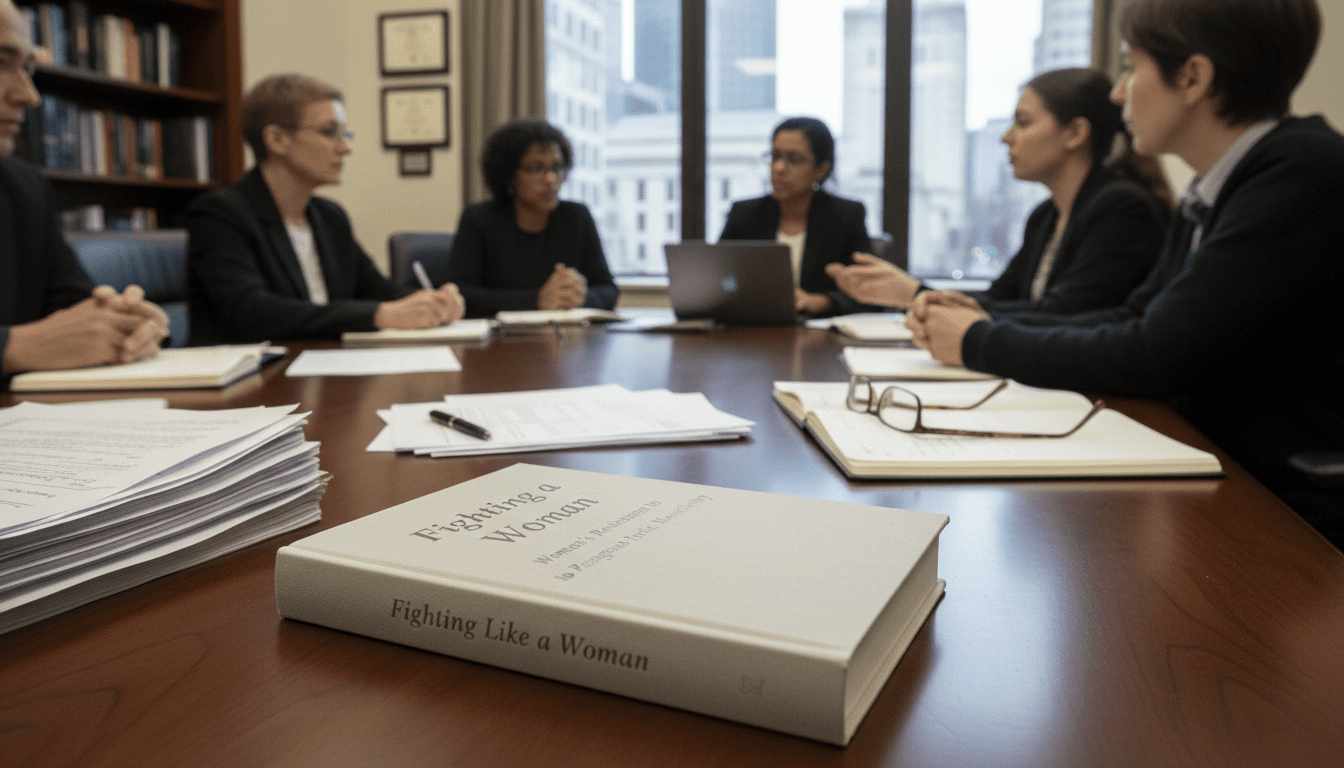
In a new episode of the ZEIT podcast Das Politikteil, hosts examine the phenomenon of women fighting back and what it reveals about gender, power and politics. The episode brings together hosts Ileana Grabitz and Heinrich Wefing with correspondent and author Andrea Böhm to discuss her recent book, Fighting like a Woman. The conversation frames physical resistance by women as both a historical phenomenon and a contemporary flashpoint in public debate.
The episode opens from the premise that women have often been cast as passive victims and asks how that picture changes when women actively resist, sometimes with force. The discussion places individual acts of self-defence alongside organized protest and broader movements, treating bodily defiance as political speech. Listeners are guided through examples from different eras and regions to show patterns and contrasts.
Author Andrea Böhm traces a history of reciprocal force
Böhm’s book, published by Rowohlt, collects case studies of women who have met oppression with active resistance, ranging from grassroots self-defence to militant protest. She argues that these acts complicate conventional narratives of emancipation by making the body itself a contested site of power. The reporting draws on interviews, historical records and contemporary reportage to chart how female combativeness has been received in different public spheres.
Central to Böhm’s thesis is the argument that claims of natural male physical superiority function as cultural tools to sustain hierarchical gender relations. The book positions stories of female resistance as evidence that bodily strength and the willingness to fight are shaped by social context as much as by biology. That claim formed the backbone of the podcast conversation and guided the hosts’ questions.
Rise of authoritarian masculinity in politics
The episode links the resurgence of authoritarian masculinity in several political contexts to a broader backlash against feminist gains. Panelists describe how political movements that valorize toughness and dominance can reframe gendered expectations and stigmatize women who refuse to conform. The conversation locates this trend not only in policymaking but also in public rhetoric, media portrayals and symbolic displays of male authority.
Speakers point to a pattern in which aggressive masculinity is rewarded or amplified during times of social anxiety and geopolitical uncertainty. That dynamic, they say, helps explain why images and narratives of male dominance re-emerge and why women’s displays of force can be treated as transgressive. The episode underscores the political stakes of how societies define legitimate use of force and which bodies are expected to wield it.
Contemporary examples and activist interventions
The podcast features discussion of contemporary activists whose tactics have reframed discussions about resistance, including members of Femen and other high-profile protests. Observers say these interventions deliberately use the body to attract attention and to challenge both national policies and international narratives. Photographs and public actions that foreground the female body often provoke strong reactions and test the boundaries of acceptable dissent.
Andrea Böhm and the hosts examine how images of militant protest—such as protests staged at cultural events or in front of state institutions—function as both symbolic statements and tactical choices. The discussion emphasizes that these interventions are often calculated to expose double standards in law enforcement and media coverage. Speakers also consider the ethical and strategic trade-offs activists face when adopting confrontational methods.
Public reaction and the unease over female force
A recurring theme in the episode is why female militancy unsettles many observers more than comparable male violence. Panelists suggest that cultural scripts prescribing women as caregivers and victims create discomfort when women assert physical agency. This discomfort, according to the discussion, contributes to sensationalized coverage and sometimes to harsher social or legal judgments against women who use force.
The conversation also explores how feminist movements negotiate the boundary between self-defence and aggression. Some activists embrace the language of self-protection and bodily autonomy, while others worry that adopting combative tactics may alienate broader support. The episode presents these tensions without prescribing a single approach, instead highlighting the diversity of feminist strategies in the face of rising hostility.
Implications for policy and feminist strategy
Hosts and guest speakers reflect on the practical implications of a politics in which bodily resistance by women becomes more visible and contested. They consider questions about legal protections, policing responses and the role of public institutions in addressing gendered violence. The discussion underscores the need for policy that recognizes both the right to self-defence and the structural causes of coercion and assault.
There is also attention to how civil society and feminist organizations might adapt messaging and tactics in response to a hostile political climate. The episode suggests that documenting cases, advocating for nuanced legal standards and maintaining dialogue across movements remain essential. Panelists encourage listeners to think about resistance as an array of choices shaped by context, not as a single moral category.
The podcast episode and Andrea Böhm’s book together push a central question: what shifts when women are no longer only framed as vulnerable but also as actors who resist with their bodies? The conversation does not offer easy answers but maps the complexities of power, gender and violence in today’s politics and invites a deeper public debate.
