
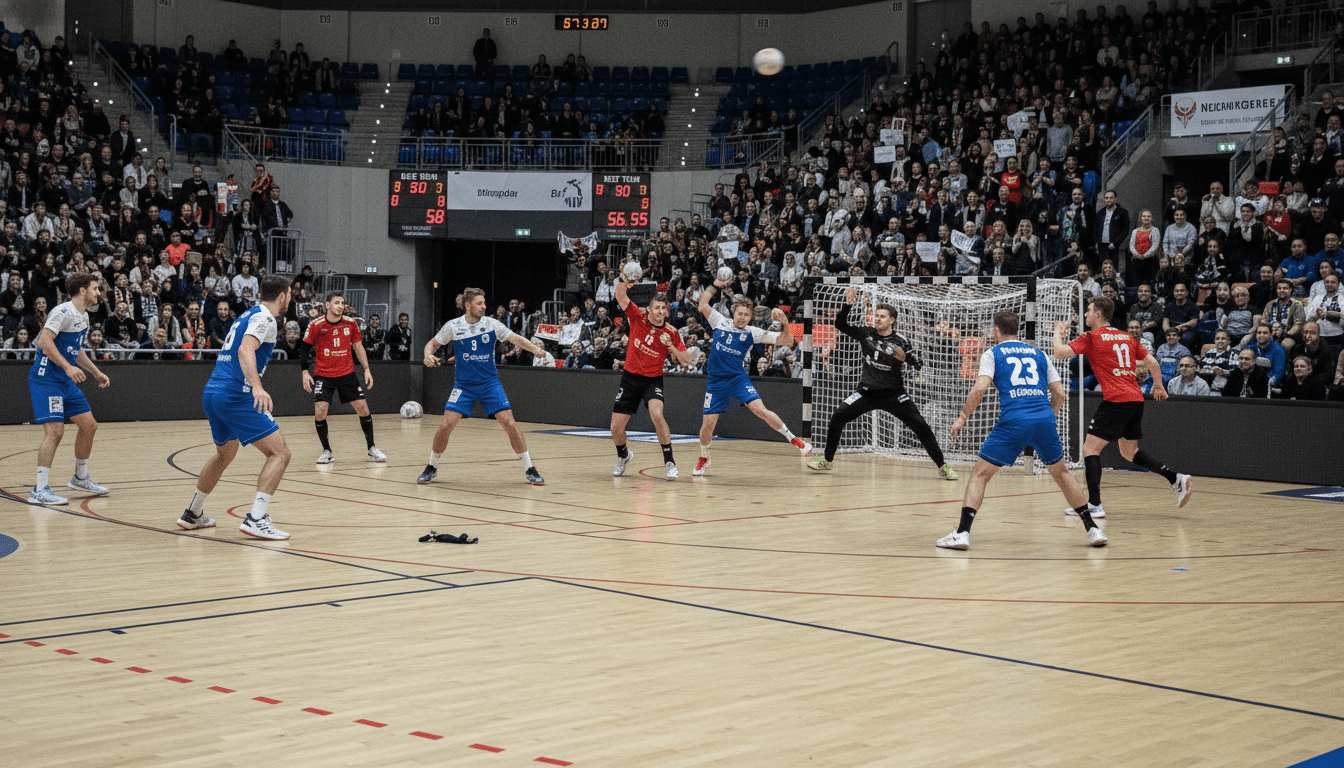
High-speed handball reshapes the sport as goals surge and tactics adapt
High-speed handball is driving a scoring revolution in professional leagues, forcing teams to adjust tactics and training to a new, frenetic tempo.
The modern game has shifted toward relentless counters and abbreviated possessions, with matches regularly reaching totals that would have seemed extraordinary two decades ago. Players and coaches now prioritize acceleration, quick decision-making and rehearsed passing lanes so that a conceded goal can turn into an immediate scoring chance. That emphasis on speed — often called “hasenhandball” by insiders — is remaking lineups, coaching methods and even discussions about rule changes.
Scoring inflation and three‑second transitions
High-speed handball has shortened the interval between concession and response to mere seconds, turning transitions into the primary scoring mechanism. Teams that exploit quick goalkeeper outlets and sprinting wings can convert turnovers into goals within three or four seconds, inflating match scores and compressing traditional phases of play. The result is a spectacle attractive to fans but one that devalues single long possessions and alters how match momentum is read. League tables and statistics are increasingly dominated by sides that have adapted to this breakneck rhythm.
Players and clubs at the forefront of the tempo trend
A small group of players and clubs have become emblematic of the shift toward speed, blending technical skill with explosive pace. Wingers who can sprint and finish instantly are now as valuable as backcourt creators, while ball handlers who can carry possession out of pressure and ignite counters are prized assets. Clubs with the resources to rehearse transition patterns during weekly sessions typically outpace national teams, which have limited time to install detailed schemes. This club-level specialization explains why many of the sport’s most dangerous fast-breaks are seen in domestic competitions.
Training, choreography and the coaching premium
Coaches have responded by turning workouts into rehearsed choreography where running lines and pass timing are drilled until instinctual. Modern coaching places equal weight on physical acceleration, decision drills and goalkeeper distribution training to accelerate the moment the ball is recovered. Teams that invest practice time in synced outlet passes and sprint routes gain consistent advantages, while coaches who fail to prioritize these routines risk being outpaced. The coaching premium now rewards those who can teach tempo without sacrificing shot quality or tactical balance.
Defensive strains and tactical trade‑offs
The sprint-first philosophy exposes defensive vulnerabilities, with even strong clubs surrendering high goal totals as they trade tight compacting for speed. Some traditional powerhouses have seen their defensive records worsen as they chase quicker scoring, revealing the difficulty of maintaining structure while committing more players forward. The dichotomy is stark: teams that master both fast breaks and disciplined defence tend to succeed, but many clubs opt for one approach, accepting higher concessions as the price of offensive potency. The tactical trade-off has rekindled debates about the essence of the sport among coaches and supporters.
Hybrid approaches and examples of balance
A number of successful teams demonstrate that a hybrid model — combining rapid counters with methodical halfcourt construction — remains viable and often decisive. When clubs can switch from full-speed breaks to patient build-up, they keep opponents guessing and punish those who overcommit to the run. Some champions have deliberately blended “heavy-metal” tempo bursts with phases of measured, technical play to control both scoreboard pressure and defensive integrity. Those hybrid approaches suggest that adaptation, rather than wholesale abandonment of old principles, will determine long-term success.
Rule experiments and proposals on the table
The rise of high-speed handball has prompted proposals aimed at revaluing different types of goals to encourage varied attacking patterns. Ideas range from awarding extra points for long-range strikes to differentiating counterattacks from set-play finishes, mirroring innovations seen in other team sports. Proponents argue such changes would rebalance incentives and revive more sustained passing sequences and defensive contests, while opponents warn that tinkering risks unsettling the sport’s current identity. For now, such reforms remain proposals, but the debate highlights how deeply tempo has affected perceptions of quality and entertainment.
The sport’s evolution toward high-speed, high-scoring contests has reshaped priorities across clubs, from recruitment and coaching to match strategy. As teams and leagues grapple with the consequences — and as some coaches seek a middle path — the core question is whether handball will settle into a permanent sprint or find a new equilibrium that preserves both spectacle and the tactical richness that long defined the game.
