
German businesses return to St. Petersburg Economic Forum as trade and sanctions shape debate
German companies attend St. Petersburg Economic Forum, signaling a cautious reopening of ties with Russia amid sanctions, asset concerns and diverging views on energy and markets.
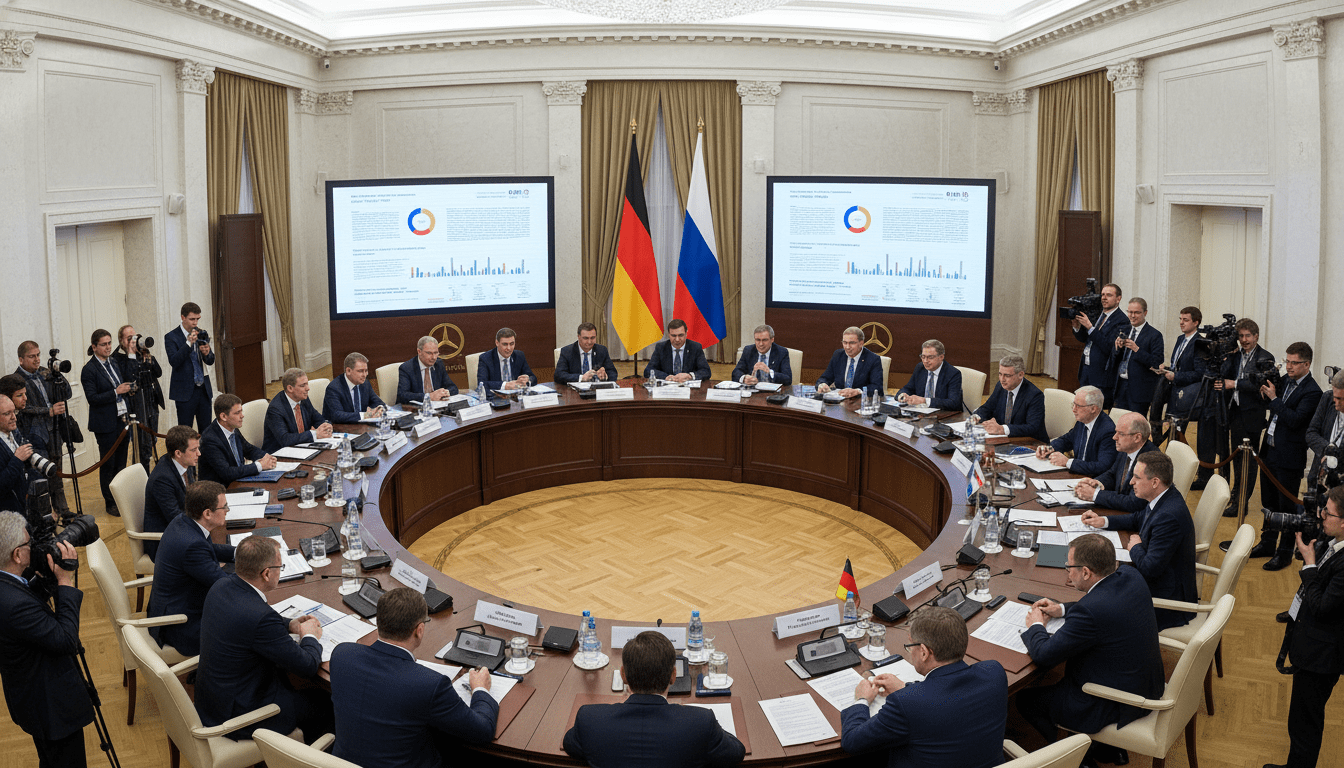
German businesses are set to appear at the St. Petersburg Economic Forum next week, marking the first official delegation from Germany since the 2022 invasion of Ukraine. The participation at the forum, scheduled for June 3–6 and hosted by Russian President Vladimir Putin, reflects a strategic effort by some firms and the German‑Russian Chamber to keep economic channels open. Organizers’ programs list a number of German business leaders and cultural figures among participants, underscoring the event’s mix of commercial and public diplomacy.
German delegation and listed participants
Several German entrepreneurs are on the forum’s program, including long‑time Russia operators and retail executives, according to organizers. The business lineup reportedly features figures such as Stefan Dürr and former Globus manager Thomas Bruch, who are scheduled to take part in panel discussions and bilateral meetings. The presence of these executives marks a visible return after years of limited engagement by many Western firms.
The forum’s cultural side also includes German participants in sessions described as “Culture as a bridge in times of crisis.” Names listed for those events range from classical musicians to publishers and filmmakers, indicating an effort to combine commerce with softer forms of engagement. The mix of business and culture is likely intended to broaden the dialogue beyond strictly economic negotiations.
Chamber frames participation as asset protection and post‑ceasefire planning
Matthias Schepp, chairman of the German‑Russian Chamber of Foreign Trade, told the news agency dpa the chamber wants to preserve an economic bridge to Russia and to protect what it estimates as more than €100 billion in German assets located there. Schepp said the chamber’s engagement is motivated in part by planning for a possible post‑ceasefire environment and by safeguarding long‑term business interests. The comments reflect a broader industry concern about legal and financial exposure as the conflict persists.
Chamber officials have also warned that Western withdrawal could cede Russia’s market to Asian competitors, a dynamic they say is already visible. Chinese entrepreneurs, the chamber noted, established roughly 1,400 new companies in Russia in the first quarter of this year, highlighting rapid reorientation of investment flows. That trend is cited by some German stakeholders as a reason to maintain at least limited engagement so they are not excluded from future opportunities.
Trade volumes and the toll of sanctions
Economic ties between Germany and Russia have contracted sharply since 2022, with bilateral trade reported to have fallen below €10 billion in 2025. The chamber estimates around 1,600 German companies remain active in Russia, collectively generating about €20 billion in revenue last year. By contrast, Germany was Russia’s largest European trading partner before the war, recording roughly €59.7 billion in bilateral trade in 2021 and a historical peak of approximately €80 billion in 2012.
Those figures illustrate a steep retrenchment driven by Western sanctions, export controls and logistical obstacles that have reshaped supply chains. German firms still operating in Russia face significant legal and reputational risks, and the reported revenue numbers suggest many have pared back activities rather than exited entirely. Observers say the sustainability of those operations will depend on the political trajectory and any future changes to sanctions regimes.
Survey shows many firms plan to stay despite losses
A recent chamber survey of its membership suggests that most German companies with Russia exposure intend to remain, even after substantial financial setbacks. Of the chamber’s roughly 750 member companies, 265 responded to the poll; about 75 percent of those respondents said they were satisfied with the development of their Russia business despite multi‑million euro losses attributed to sanctions. The findings indicate a mix of pragmatism and calculation among firms that consider the market strategically important.
The survey also captures divided views on the effects of sanctions: around two‑thirds judged the measures to have strongly or very strongly affected the Russian economy, while a third believed the sanctions inflicted more damage on Germany than on Russia. More than half of respondents saw the two countries as equally harmed. These split assessments mirror wider debates in corporate and policy circles about the costs and efficacy of prolonged economic pressure.
Energy sentiment and calls for policy clarity
Energy questions remain a flashpoint in the survey and among German business circles attending the forum. When asked whether Germany should resume imports of Russian gas and oil, about 65 percent replied affirmatively with a sense of urgency, while 31 percent supported resumption only after hostilities in Ukraine cease. The responses underscore continuing anxieties over energy security, pricing and the political conditions tied to sourcing decisions.
Such sentiment is likely to influence discussions at the forum and in Berlin, where policymakers face competing pressures: to maintain sanctions solidarity and to ensure domestic energy stability. Industry voices attending St. Petersburg are expected to press for clearer frameworks that would allow companies to plan beyond the immediate crisis while avoiding abrupt policy shifts that could trigger further market disruption.
Cultural engagements draw scrutiny and debate
The forum’s cultural programming, billed as an effort to build bridges during crisis, includes German personalities such as conductor Justus Frantz, publisher Holger Friedrich and filmmaker Hubert Seipel. The participation of political figures from Germany, including representatives from regional legislatures, has provoked criticism in some quarters and raised questions about the optics of engagement. Organizers argue cultural exchanges can sustain dialogue where political channels are strained.
Critics counter that cultural appearances risk normalizing or legitimizing a forum hosted by Russia’s president while the war continues. Supporters maintain that non‑political contacts can preserve lines of communication and prepare groundwork for eventual reconstruction or reconciliation. The debate reflects broader tensions about how far cultural and commercial actors should go in reengaging before political conditions change.
The coming days at the St. Petersburg Economic Forum are likely to test the balance between protecting commercial interests and upholding collective sanctions policy, with German businesses and cultural figures navigating a fraught landscape of economic opportunity, legal exposure, and reputational risk.
