
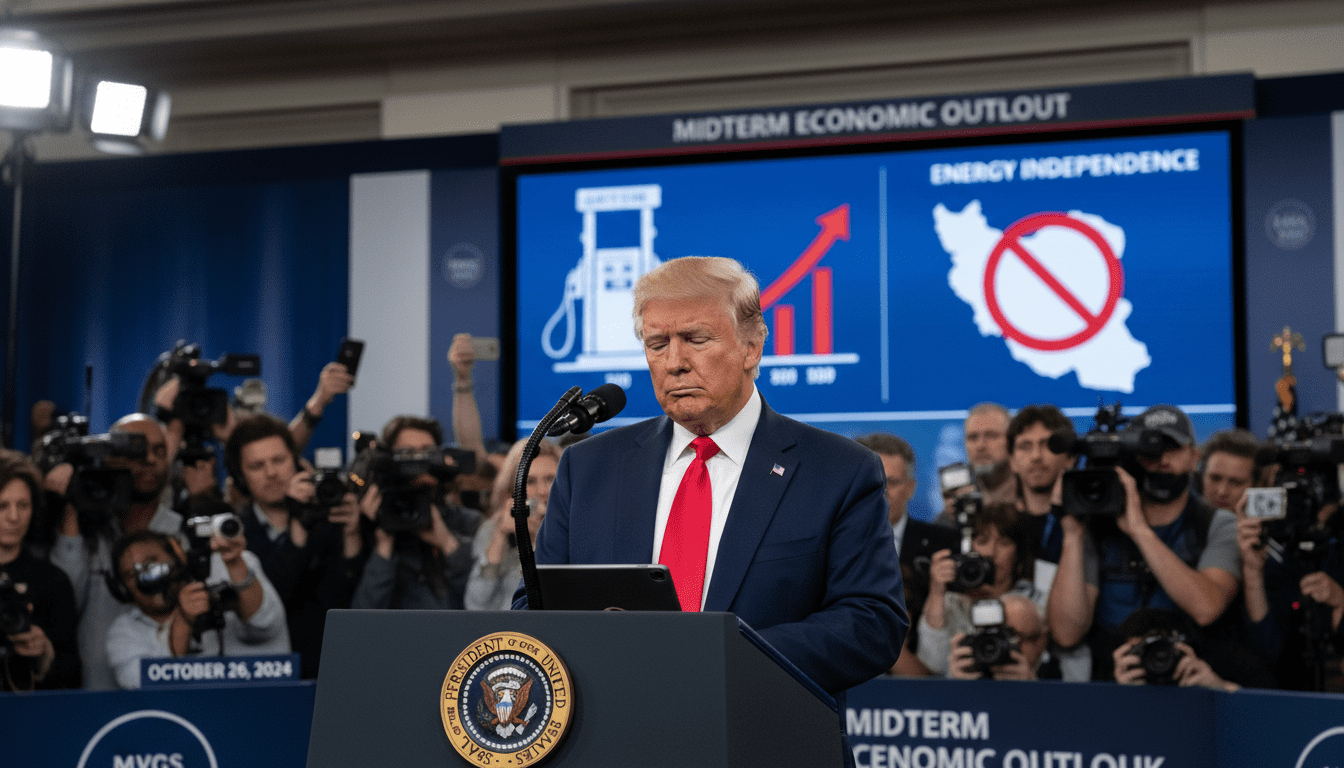
US Strikes Iran Again as Tentative Ceasefire Talks Stall, Raising Political and Energy Risks
US strikes Iran again amid stalled talks, while a tentative ceasefire extension awaits presidential sign-off; the developments heighten energy market volatility and political fallout.
The United States carried out fresh strikes on Iranian targets this week even as negotiators reported progress toward a temporary ceasefire and further talks, a dual dynamic that has left key questions unresolved and intensified domestic political strain. The renewed military action followed what U.S. officials described as threats to American forces in the Gulf, underscoring how fragile any diplomatic gains remain. (apnews.com)
Negotiators Report a Tentative Deal, But Trump Hasn’t Signed Off
Negotiators in recent days indicated they had reached a preliminary agreement to extend a ceasefire and open talks on Iran’s nuclear program, but U.S. officials said the deal remained subject to final approval by President Donald Trump. The tentative memorandum would aim to buy time for negotiations on sanctions relief, frozen assets and maritime security measures. The lack of immediate presidential sign-off has left the arrangement vulnerable to rapid reversal and renewed violence. (axios.com)
U.S. Strikes Follow Alleged Drone and Mine Threats in the Gulf
U.S. military statements said the recent strikes targeted missile launch sites, drone launch points and boats reportedly attempting to lay mines, actions described by commanders as defensive measures to protect shipping and personnel. Iranian forces responded with rocket fire and claims of retaliatory strikes, creating an episodic pattern of exchange that complicates ceasefire maintenance. These battlefield dynamics have repeatedly undermined diplomatic momentum in the region. (militarytimes.com)
Republican Dissent Is Growing as Democrats Press Attack Lines
The unfolding military-diplomatic mix has produced public criticism of the president from within his own party, with several Republican figures urging a harder line or questioning the administration’s strategy. At the same time, Democrats are making the conflict and its domestic consequences a central theme in campaign messaging ahead of the midterm elections. That cross-aisle politicization risks tying foreign-policy decisions to short-term electoral calculations. (pbs.org)
Strait of Hormuz Remains the Central Economic Pressure Point
Market analysts warn that uncertainty over control and access to the Strait of Hormuz continues to drive volatility in global oil and gas markets, even as negotiators talk about reopening the waterway. Traders and banks have modeled scenarios in which disrupted transit and constrained Gulf output keep prices elevated for months, with significant downstream effects on inflation and consumer sentiment worldwide. Restoring stable commercial passage, analysts say, could take far longer than any political announcement. (worldoil.com)
ZEIT Podcast Highlights Political Risks Ahead of Midterms
In a recent episode of the ZEIT video podcast “Was jetzt? – Die Woche,” moderator Dilan Gropengiesser and international correspondent Rieke Havertz discussed how the president’s repeated claims of victory are losing credibility and why the conflict could become a domestic liability. The hosts argued that a prolonged hangover from military operations and high energy prices might change voter calculations in coming months, turning foreign-policy headlines into decisive electoral issues. (podcasts.apple.com)
Regional and International Reactions Are Mixed and Tense
Regional governments and global institutions have issued cautious statements calling for de-escalation while preparing contingency measures to protect shipping and energy infrastructure. Some allies have privately urged restraint and coordination, but public responses remain calibrated to avoid endorsing either side’s maximal claims. The combination of military strikes and tentative diplomacy has produced a precarious equilibrium that could unravel quickly. (washingtonpost.com)
As the dust settles from the latest exchanges, the most immediate questions are whether Washington will formalize any negotiated pause and whether Tehran will accept terms that address inspectors’ access, sanctions relief and frozen assets. The answers will shape not only the military posture in the Gulf but also the economic outlook for consumers and the political terrain at home. The coming days are likely to determine whether diplomacy can convert fragile progress into durable stability or whether episodic strikes will continue to set the agenda.
