
Andrea Pirlo in Moscow Appearance Sparks Outrage After ‘Day of Football’ Event
Andrea Pirlo in Moscow drew wide condemnation after a PR appearance at the ‘Day of Football’; Ukrainian athletes called the visit “a great shame” and demanded answers.
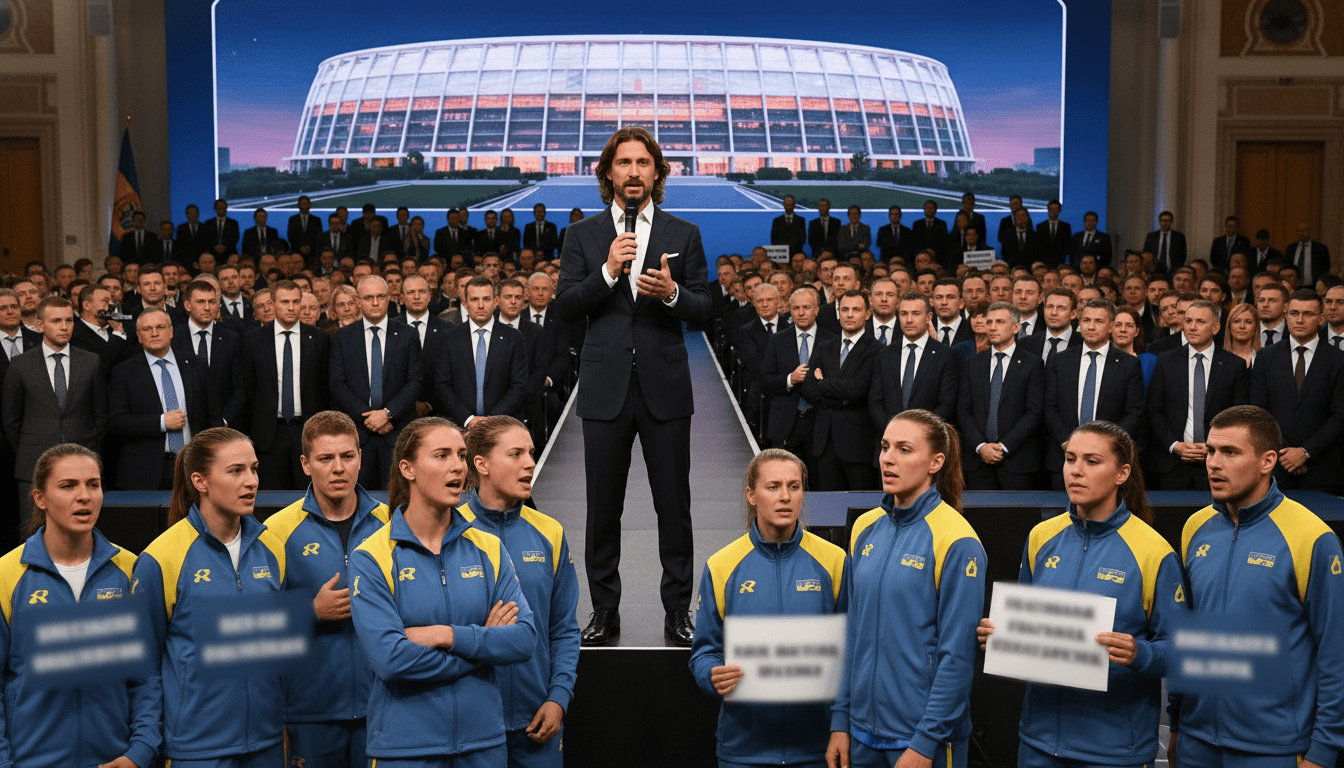
Andrea Pirlo in Moscow on May 28, 2026, provoked sharp criticism after the former Italy midfielder appeared at a public relations event billed as the “Day of Football.” The appearance, alongside fellow World Cup winner Marco Materazzi, drew intense backlash from Ukrainian athletes and observers. Many described the visit as unacceptable amid ongoing tensions linked to Russia’s actions in Ukraine, with some calling it “a great shame.”
Pirlo and Materazzi Attend Moscow ‘Day of Football’ Event
Andrea Pirlo and Marco Materazzi took part in a high-profile public appearance in Moscow that organizers presented as a celebration of the sport. The event included photo opportunities and short on-stage remarks by both former players, who are internationally recognised for their roles in Italy’s 2006 World Cup campaign. Pirlo, now working as a coach at United FC in Dubai, appeared alongside Materazzi in front of an audience that included local football figures and media.
Organizers described the event as a promotion of grassroots football and international exchange, but details about the invitation and the partners involved were sparse at the time of reporting. The speed and intensity of the reaction suggest the appearance was perceived by many as a political misstep rather than a simple sporting engagement.
Ukrainian Athletes Voice Shock and Condemnation
Several Ukrainian athletes and officials reacted with disbelief and anger after images and reports of the appearance circulated on social media. Representatives and unnamed athletes quoted in reaction called the visit “a great shame,” saying it showed a disregard for the suffering and geopolitical realities affecting their country. Social media posts from Ukrainian sports figures expressed that participation in Moscow at this moment undermined solidarity with Ukraine.
Commentators and former athletes in Ukraine also urged governing bodies and player associations to articulate clear positions on appearances in Russia, arguing that sporting figures carry public responsibility. Those voices called on Pirlo and Materazzi to explain the reasons for attending and to consider the wider implications of participating in events hosted in Moscow.
Organizers and Participants Have Yet to Clarify Motives
Event organizers had not provided a detailed public explanation for inviting Pirlo and Materazzi when initial criticism surfaced. Journalistic attempts to reach representatives for comment were met with limited responses, and no formal statement addressing the Ukrainian athletes’ objections was immediately available. Requests for clarification from Pirlo’s camp and Materazzi’s representatives were similarly unanswered at the time of publication.
In the absence of direct comment from the participants, observers have relied on photographic evidence and short on-stage remarks to assess the nature of the engagement. That lack of transparency has amplified calls from critics who want to know whether the appearance was purely promotional or linked to wider sponsorship and political messaging.
Political Context Rekindles Boycott Debate
The episode rekindles broader debates over cultural and sporting engagements in Russia that have persisted since 2022, when the invasion of Ukraine prompted widespread boycotts and sanctions across multiple sectors. Many athletes, clubs and sporting bodies have since adopted policies limiting participation in events that are perceived as lending legitimacy to Russian state narratives. Those measures are part of an ongoing effort to align sporting conduct with international pressure and moral considerations.
Critics of Pirlo’s Moscow appearance argued that prominent sports figures should be mindful of those precedents and the expectations set by peers and national associations. Supporters of unrestricted sporting contact counter that sport can be a bridge-building force, though that view remains highly contested in the current geopolitical climate.
Potential Fallout for Clubs and Commercial Partners
The immediate reputational risk from the appearance falls not only on the individuals involved but also on the clubs and commercial partners associated with them. Sponsors often demand careful vetting of public engagements to avoid brand exposure to controversy, and clubs can face scrutiny if their coaches or ambassadors participate in events that attract political backlash. United FC, where Pirlo is reported to be working, and any affiliated sponsors may now face questions about their oversight and public messaging.
Legal and contractual consequences are possible in extreme cases, though such outcomes hinge on the precise terms of agreements between talent, clubs and sponsors. More commonly, these incidents prompt internal reviews, public statements of distancing, or negotiated clarifications intended to contain reputational damage.
The situation is evolving as stakeholders weigh responses and the public continues to react across social and traditional media. Further statements from event organizers, Pirlo and Materazzi, or their representatives are likely to shape the next phase of the story.
As of May 28, 2026, the controversy centers on whether sporting appearances in Moscow are acceptable given current geopolitical tensions and what responsibilities high-profile athletes carry when participating in such events. Observers and affected athletes have made clear they expect fuller explanations and, potentially, reconsideration of similar appearances in the future.
