
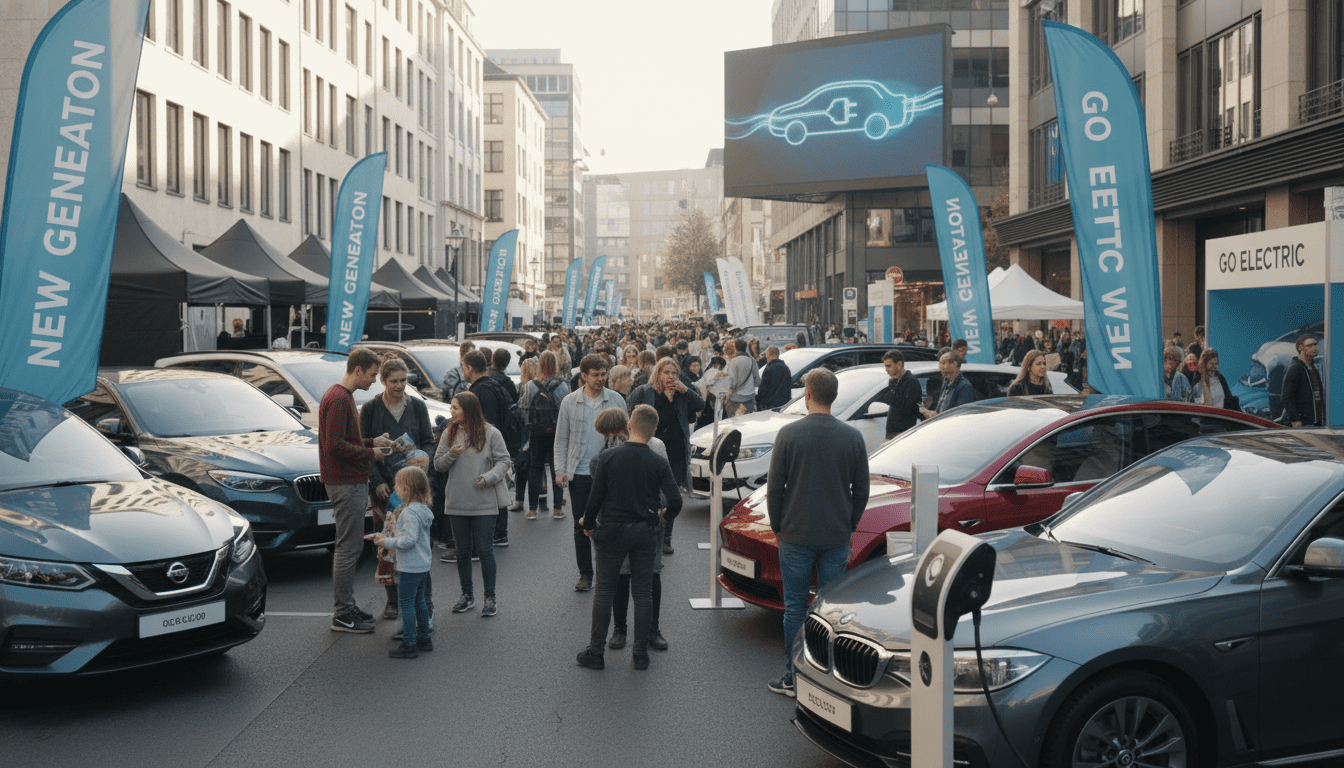
Electric cars surge in appeal as subsidy shifts demand toward private buyers
German subsidy changes are making electric cars more affordable, driving private buyers to convert at higher rates and reshaping orders across the auto market.
The latest shift in Germany’s incentive scheme has made electric cars markedly more attractive to private buyers, reversing a trend in which subsidies mainly benefited company fleets. On May 28, 2026, industry contacts and dealer reports noted a visible increase in private purchase inquiries, with middle-aged drivers especially likely to switch to battery-powered models. Manufacturers and leasing firms are responding to the new demand pattern by adjusting allocations and marketing to reach retail customers.
Private buyers push orders beyond fleets
Dealerships across major German cities report a rise in retail reservations for electric cars in recent weeks. Where incentive uptake had concentrated on corporate procurement, showrooms are now seeing more individual buyers complete deposits and take delivery.
Sales staff attribute the shift to clearer purchase incentives and more transparent total-cost-of-ownership comparisons. The trend is translating into a broader customer mix on dealer floors, from first-time EV owners to buyers replacing conventional petrol or diesel vehicles.
Middle-aged drivers lead the conversion
Market observers say one demographic cluster stands out among new private buyers: middle-aged drivers who previously favored company-leased vehicles or internal-combustion family cars. These buyers cite running-cost savings and better subsidy support as decisive factors in switching.
This cohort often seeks practical, mid-sized models and values charging convenience and range reliability. Their entrance into the private EV market is prompting manufacturers to emphasize comfort, safety and familiar design cues alongside the environmental benefits of electric cars.
Subsidy mechanics making models more affordable
The current subsidy package has lowered effective purchase prices for a wider range of electric cars, narrowing the gap with comparable combustion models. That relative affordability has encouraged buyers who were previously deterred by upfront costs to reconsider an EV as a viable daily driver.
Beyond direct purchase support, tax advantages and favorable leasing conditions have played a role in making monthly payments more attractive. Industry sources say these combined effects are reshaping short-term demand patterns and prompting brands to reprioritize which models are promoted to retail customers.
Manufacturers and leasing firms adjust production and allocations
Automakers are responding to the changing buyer profile by rerouting a greater share of inventory toward retail channels. Several OEMs have reportedly reallocated production slots and adjusted delivery windows to satisfy the uptick in private orders.
Leasing companies have likewise revised their offers, rolling out consumer-focused contracts and shorter-term plans that highlight total cost savings. This rebalancing reflects an attempt to capture nascent retail demand while maintaining commitments to fleet clients.
Charging infrastructure and after-sales remain concerns
Despite growing interest in electric cars, buyers continue to weigh charging availability and service support heavily in their decisions. Areas with dense public infrastructure or employer-supported charging networks see higher conversion rates than regions with sparse access.
Dealers and local governments are cooperating to improve the charging experience, including faster installation of public stations and clearer guidance for home charging setups. Long-term acceptance will hinge on maintaining a reliable and convenient charging network as private ownership increases.
Model mix is shifting but SUVs and compact cars both matter
The private demand surge is visible across vehicle segments, with compact hatchbacks and mid-size SUVs both registering stronger retail interest. Buyers shopping for daily practicality and family use are selecting a broader palette of electric cars than before.
Manufacturers are responding by offering variant mixes that balance cost, range and equipment levels to meet diverse private-customer expectations. The result is a more competitive retail market where price-driven models sit alongside better-equipped options targeting comfort and technology.
Automotive dealers point to images like a Tesla charging at the Grünheide factory as symbolic of the broader change: electric vehicles are moving from fleet status into domestic garages and family routines. This visual underscores a market moment in which incentives, economics and evolving consumer confidence converge.
The evolving pattern of orders shows how policy adjustments can alter buyer behavior quickly, nudging private customers into the electric car market and prompting industry players to change how they sell and service these vehicles. As private ownership grows, attention will shift to sustaining charging infrastructure, ensuring supply stability and translating short-term interest into long-term adoption.
