
Beirut evacuation intensifies as residents flee Dahyieh amid Israeli threats
Mass evacuations from Beirut’s Dahyieh suburb unfold as residents rush to leave after Israeli warnings of major strikes, raising fears of wider escalation and disruption to US-Iran talks.
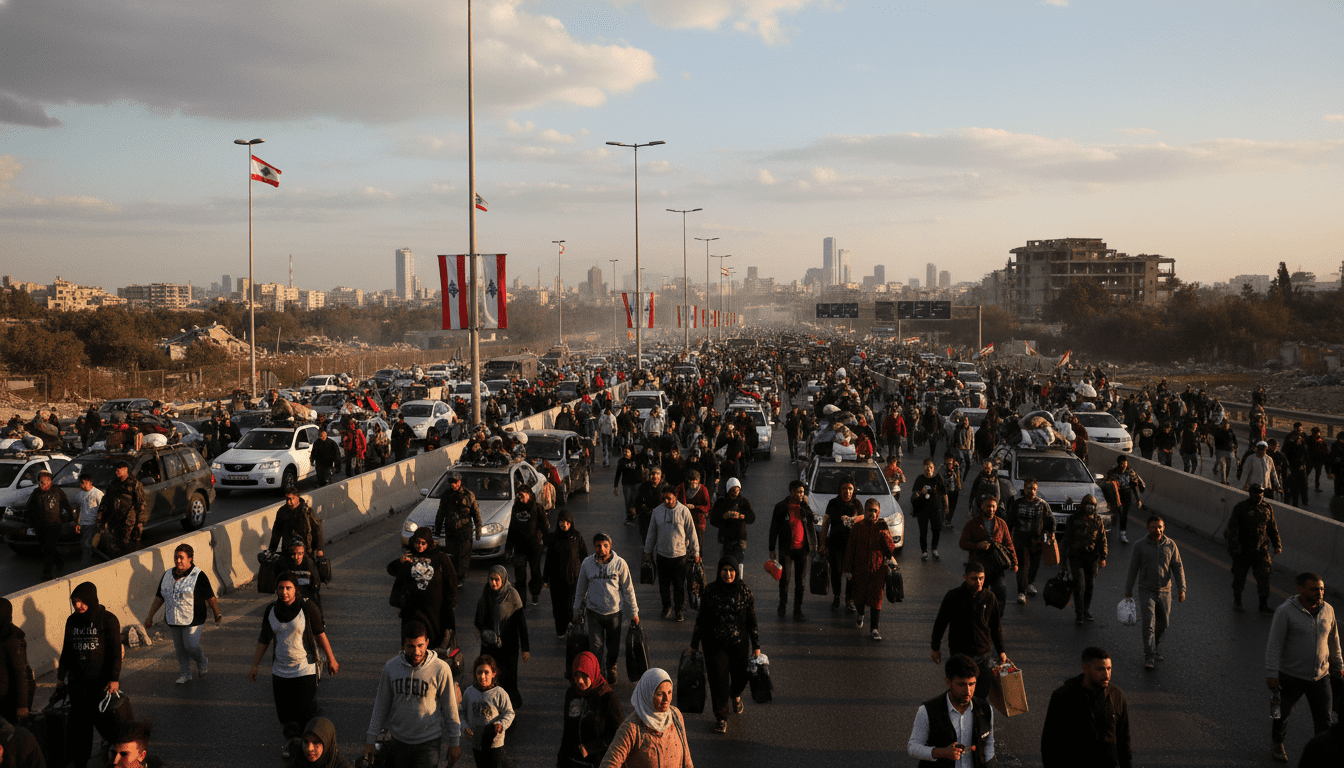
Footage circulating on social media on May 26, 2026 shows thousands of residents taking part in an urgent Beirut evacuation from the southern suburb known as Dahyieh, where packed roads and long lines of vehicles signaled a rapid flight from the area. Families loaded cars with belongings and sought to leave before nightfall after Israeli officials threatened major strikes in what Israel has termed “Operation Arrows of Fire.” The movement of civilians, captured in multiple videos, has prompted alarm in Beirut and among regional observers who fear a new phase of confrontation with Hezbollah could destabilize Lebanon.
Mass Exodus from Dahyieh
Traffic out of the southern suburb surged as residents abandoned homes and businesses, creating bottlenecks on main arteries leading north and east of Beirut. The images of packed highways and long vehicle queues indicate a large-scale, spontaneous flight rather than an organized evacuation plan coordinated by authorities. Many families appeared to prioritize leaving before darkness, citing fears of imminent air or artillery strikes and the uncertainty of supply and communications in the hours ahead. Local sources described a mixture of elderly residents, parents with young children and small groups carrying mattresses and basic possessions in the back of vans.
Israeli warnings and Operation Arrows of Fire
Israeli officials have expanded what they describe as “Operation Arrows of Fire” in response to cross-border attacks, and have publicly signalled that broader strikes could follow if attacks continue. The latest warnings explicitly referenced areas in and around Beirut’s southern suburbs, prompting the sudden exodus from Dahyieh. Officials in Israel framed the campaign as directed at Hezbollah positions and infrastructure used in cross-border fire, though details of planned targets were not disclosed. Analysts say the scope and tempo of the operation will determine whether the campaign remains confined or evolves into a wider confrontation.
Civilian displacement and humanitarian strain
The Beirut evacuation has immediate humanitarian consequences as displaced families seek shelter with relatives or in overcrowded neighborhoods, stretching local resources. Hospitals and clinics in adjacent districts reported increased arrivals and nervous inquiries about safety and basic supplies, even where major damage had not yet been reported. Aid organizations and volunteer networks in Beirut face logistical challenges providing food, clean water and medical assistance amid traffic congestion and heightened security concerns. Prolonged displacement could deepen existing vulnerabilities in a country already coping with economic strain and infrastructure shortfalls.
Regional diplomatic implications and US-Iran negotiations
The intensification of strikes near Beirut comes while the United States and Iran remain engaged in negotiations aimed at addressing broader regional tensions, prompting concerns that military escalation could undermine those talks. Diplomatic sources warned that strikes perceived as aiming to destabilize Lebanon could complicate ongoing efforts to negotiate de-escalation and channel diplomatic pressure constructively. Tehran and Washington have historically been sensitive to shifts in the Israel-Lebanon front, and an expanded conflict could prompt rapid diplomatic and military calculations across multiple capitals. Observers say preserving a buffer for negotiations will depend on restraint by armed actors and clear lines of communication among external patrons.
Public sentiment and political repercussions in Lebanon
The evacuation has amplified public anxiety across Lebanon, where memories of past large-scale conflicts remain vivid and political fault lines are deep. Citizens in Beirut voiced fears that renewed fighting could erode fragile social and economic recovery efforts, while political leaders face pressure to articulate a response and to protect civilians. The prospect of intensified operations in populated suburbs raises questions about internal displacement management and potential political fallout for authorities seen as unable to prevent cross-border hostilities. Lebanon’s complex domestic landscape means that any escalation will reverberate through multiple political and sectarian channels.
International monitoring and possible outcomes
International actors monitoring the situation have expressed concern about the potential for rapid escalation, while calling for steps to avoid civilian harm and to allow humanitarian access where needed. The immediate outcomes hinge on whether cross-border attacks persist and on the operational choices made by Israeli forces and Hezbollah. If strikes remain targeted and limited in duration, the diplomatic space for negotiations may hold; broader or sustained operations risk forcing a recalibration of regional alignments and could prompt wider intervention or reprisals. Crisis managers say early diplomatic engagement and transparent communication between key regional players would reduce the likelihood of miscalculation.
As streets of Dahyieh emptied and families continued to leave on May 26, 2026, the immediate focus remained on civilian safety and preventing the conflict from widening, with the broader regional implications for diplomacy and stability still unresolved.
