
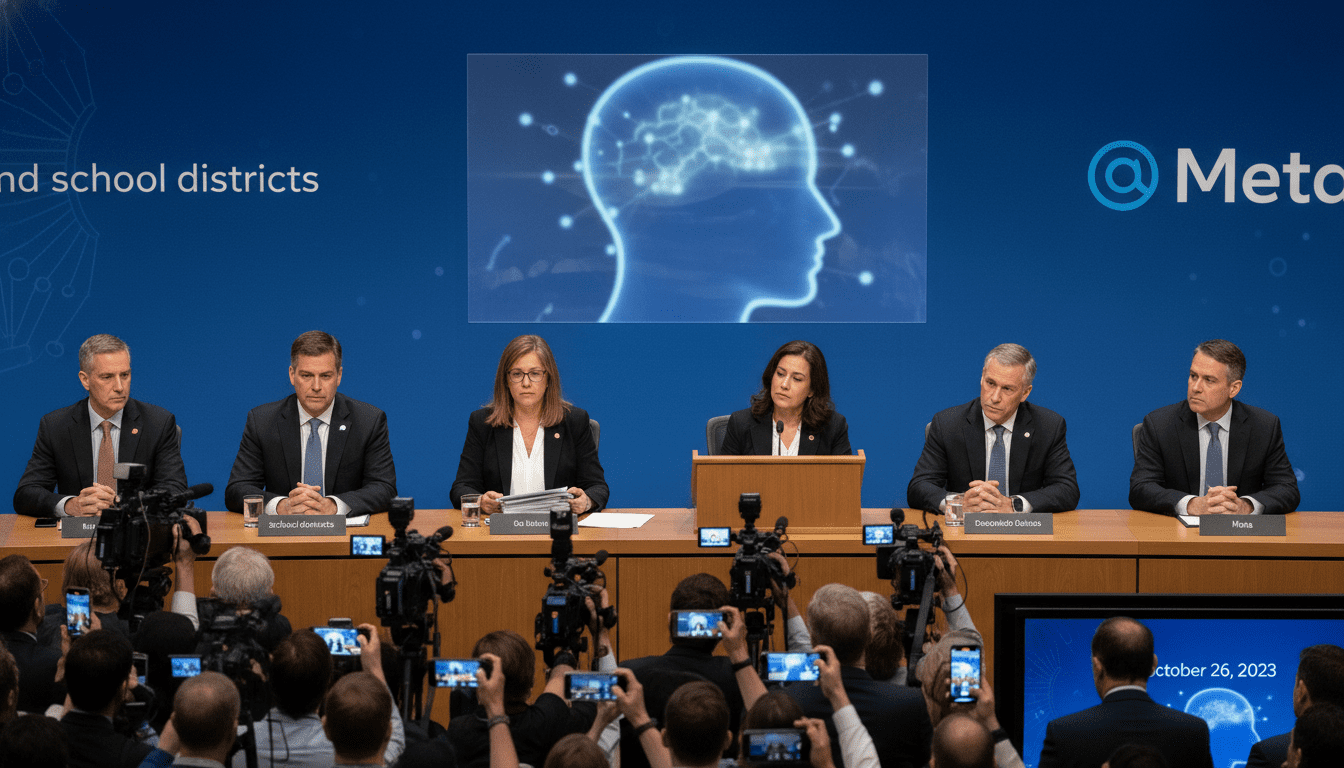
School Districts Seek Compensation Over Social Media Addiction; Kentucky Requests $60M for Long-Term Program
School districts are pursuing compensation for harms they say stem from social media addiction, with a Kentucky district requesting more than $60 million to establish a 15-year mental health and learning support program. The claim frames platform design and engagement tactics as drivers of increasing rates of anxiety, depression and classroom disruption among students. District leaders say the funds would cover screening, counseling, special education and staff training intended to address pervasive effects tied to social media use.
Kentucky District Files $60M Demand
The Kentucky school district submitted a demand for more than $60 million to create a sustained intervention program over 15 years. Officials described the request as compensation for expenses they say have arisen from declines in student mental health and academic performance linked to prolonged social media use.
District representatives outlined a multi-year plan that would expand counseling services, bolster special education, and implement targeted interventions for students identified as struggling. The dollar figure is intended to reflect both immediate remediation and preventive investments intended to reduce long-term costs to the local education system.
Districts Argue Platform Design Drives Addictive Use
School leaders and mental health experts collaborating with districts contend that features such as endless feeds, algorithmic personalization and reward-like notifications intensify compulsive behavior. They argue that these design elements make social media addiction more likely among young users and complicate efforts to maintain focus and emotional regulation in school.
According to district filings and statements, educators have reported higher levels of distraction, increased disciplinary referrals, and classroom learning setbacks tied to students’ online engagement. Those observations form the basis for claims that tech platforms bear partial responsibility for the resulting burdens on public education systems.
Planned Program Components and Budget Justifications
The proposed 15-year program includes expanded school-based counseling, training for teachers and administrators, specialized academic supports, and community outreach. Districts say long-term funding is necessary because mental health conditions and learning gaps require sustained intervention to achieve measurable recovery and academic catch-up.
Budget justification submitted by the district lists personnel costs, facility upgrades, assessment tools, and partnerships with local mental health providers. Officials contend that without a funded, systemic approach many students will continue to face barriers that hinder graduation and postsecondary readiness.
Legal Context and Pressure on Major Platforms
The push by school districts occurs amid broader legal scrutiny of major social media companies over youth mental health impacts. Multiple lawsuits and regulatory inquiries have pressed platforms to account for product design choices and their effects on minors’ well-being.
While some litigation has resulted in settlements or agreements, school districts are seeking direct remuneration to cover educational costs rather than damages to individual plaintiffs. The claims signal a strategic effort by public institutions to secure resources for systemic responses rather than pursuing traditional personal-injury remedies.
Financial Strain and Local Budget Implications
Districts say the mounting costs associated with increased counseling referrals, special education placements, and academic remediation have strained already tight local budgets. School boards warn that without external funding, districts may need to reallocate instructional dollars or cut programs to absorb these new expenses.
Superintendents and budget officers argue that compensatory awards would preserve classroom resources by providing earmarked funding for mental health services and learning recovery. The plea for external compensation highlights tension between the rising demand for student supports and limited fiscal capacity at the local level.
Community Response and Calls for Policy Change
Parents, advocacy groups, and educators have reacted with a mix of support and caution, calling for both accountability and constructive solutions. Some community members favor litigation as a means to force changes in platform practices, while others emphasize education, digital literacy, and parental controls as immediate remedies.
Policymakers at the state and federal levels are watching closely, with some lawmakers proposing legislation to tighten protections for minors online. Proposals range from transparency requirements for algorithms to age-verification standards and limits on engagement-focused features for underage users.
Potential Outcomes and Next Steps for Districts
If compensation is granted or negotiated, districts plan to deploy funds toward hiring specialized staff, expanding mental health programs, and monitoring student outcomes to measure effectiveness. Officials say they will prioritize evidence-based interventions and partnerships with public health agencies to ensure sustained impact.
Alternatively, litigation may prompt companies to alter product features or expand voluntary safety measures for young users. Either path could reshape how schools, families and platforms share responsibility for addressing social media’s educational and health consequences.
District leaders say their approach seeks both remediation for current students and prevention for future cohorts, framing the request as an investment in public education and child welfare. They caution that absent coordinated action, schools will continue to shoulder the immediate and long-term costs of social media-related harms.
