
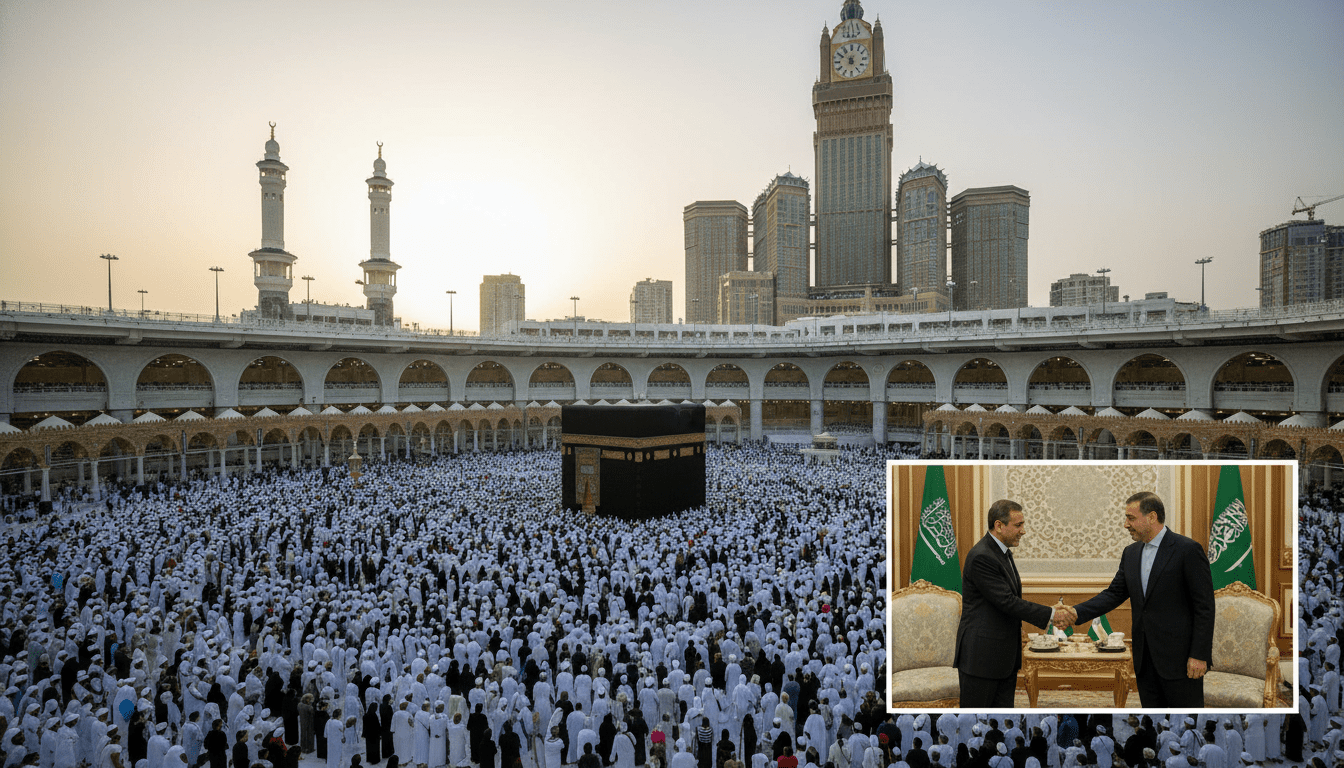
Hajj pilgrimage 2026: Over 1.5 million arrive in Mecca amid heat and regional tensions
Hajj pilgrimage 2026 draws over 1.5 million international worshippers to Mecca as of May 25, 2026, with pilgrims preparing for Arafat amid intense heat and a fragile regional ceasefire.
As of May 25, 2026, the annual Hajj pilgrimage is under way in Saudi Arabia, with organizers reporting more than 1.5 million foreign arrivals and numbers still rising. Pilgrims from around the world have gathered in Mecca to perform rites that are among the central obligations of Islam, even as heightened regional tensions and an energy crisis cast a shadow over the season. Authorities expect the movement to continue into the week as devotees prepare to proceed to the plain of Arafat for the pilgrimage’s pivotal day.
Arrival Figures and Official Counts
Saleh bin Saad al-Murabba, commander of the Hajj passport forces, said more than 1.5 million pilgrims had entered the kingdom by Friday, May 22, 2026. Officials in Saudi Arabia continue to register arrivals at entry points and transit hubs, with domestic logistics teams coordinating transfers to central sites in Mecca and surrounding encampments.
Authorities have emphasized that figures remain provisional as late arrivals complete processing and as groups converge from domestic transit centers. The scale of incoming pilgrims reflects one of the largest international turnouts in recent Hajj seasons.
Conditions at the Grand Mosque and Mina
Pilgrims spent the opening days circling the Kaaba at the Grand Mosque in sweltering conditions, shielding themselves with umbrellas and handheld fans. Volunteers and security personnel distributed bottled water and misting fans to help congregants cope with sustained high temperatures.
Many pilgrims then moved toward Mina and the vast tent city that accommodates millions during the core Hajj days. Organizers have stepped up cooling and medical services in response to the heat, while transport corridors are monitored to prevent bottlenecks during peak movement periods.
Personal Accounts and Spiritual Tone
For many attendees, completing the Hajj pilgrimage represents a lifelong objective and a profound spiritual milestone. An Egyptian pilgrim described feeling immense gratitude and relief at reaching Mecca, calling the experience deeply moving and transformative.
A political scientist traveling from the United States said the ritual felt like a personal reset, noting the strain of the pilgrimage alongside the fellowship he observed among fellow worshippers. Pilgrims repeatedly described scenes of mutual aid and charity, with many citing communal acts of support as central to their experience.
Arafat Gathering and Key Rituals
Pilgrims will gather on the plain of Arafat on Tuesday, May 26, 2026, in what is regarded as the spiritual climax of Hajj. There, thousands will stand for extended prayers, seek forgiveness, and remember family members and communities back home in a concentrated period of worship.
The standing at Arafat and the subsequent rituals in Muzdalifah and Mina are scheduled to follow established timetables set by Saudi authorities, who coordinate transport and crowd flows to ensure pilgrims can complete rites in sequence. Medical teams and emergency services will be positioned across the route to respond to heat-related illness and other needs.
Regional Security and Energy Context
The pilgrimage unfolds amid a fragile ceasefire in the conflict involving Iran, and talks involving the United States, Iran and regional partners over a memorandum of understanding that U.S. officials say could reopen the Strait of Hormuz. That waterway’s status has become central to a global energy crunch triggered in part by recent hostilities and closures, U.S. statements say.
While Hajj authorities have kept security tight, delegations and pilgrims acknowledged a background of geopolitical uncertainty that figures into travel decisions and logistical planning. Saudi security officials have reiterated preparedness and urged vigilance, while continuing to stress that religious rites will proceed without interruption.
Saudi Coordination and Crowd Management
Saudi authorities have deployed extensive resources to manage the influx, including passport services, transport coordination and volunteer networks across the holy sites. The Hajj passport forces and municipal agencies are handling arrivals, tent allocations, and emergency response plans to minimize disruption.
Officials say coordination with health and civil defense agencies is central to coping with extreme weather and large crowds, and have urged pilgrims to follow guidance on hydration, movement windows and group schedules. Community volunteers and international mission teams are assisting with translation, medical first response and crowd guidance.
The Hajj pilgrimage continues to draw large numbers of worshippers keen to complete one of Islam’s central obligations, combining intense physical demand with deep spiritual significance. As pilgrims prepare for the rites on Arafat on May 26, 2026, authorities and volunteer networks are focused on keeping the pilgrimage safe and orderly amid a complex regional backdrop.
