
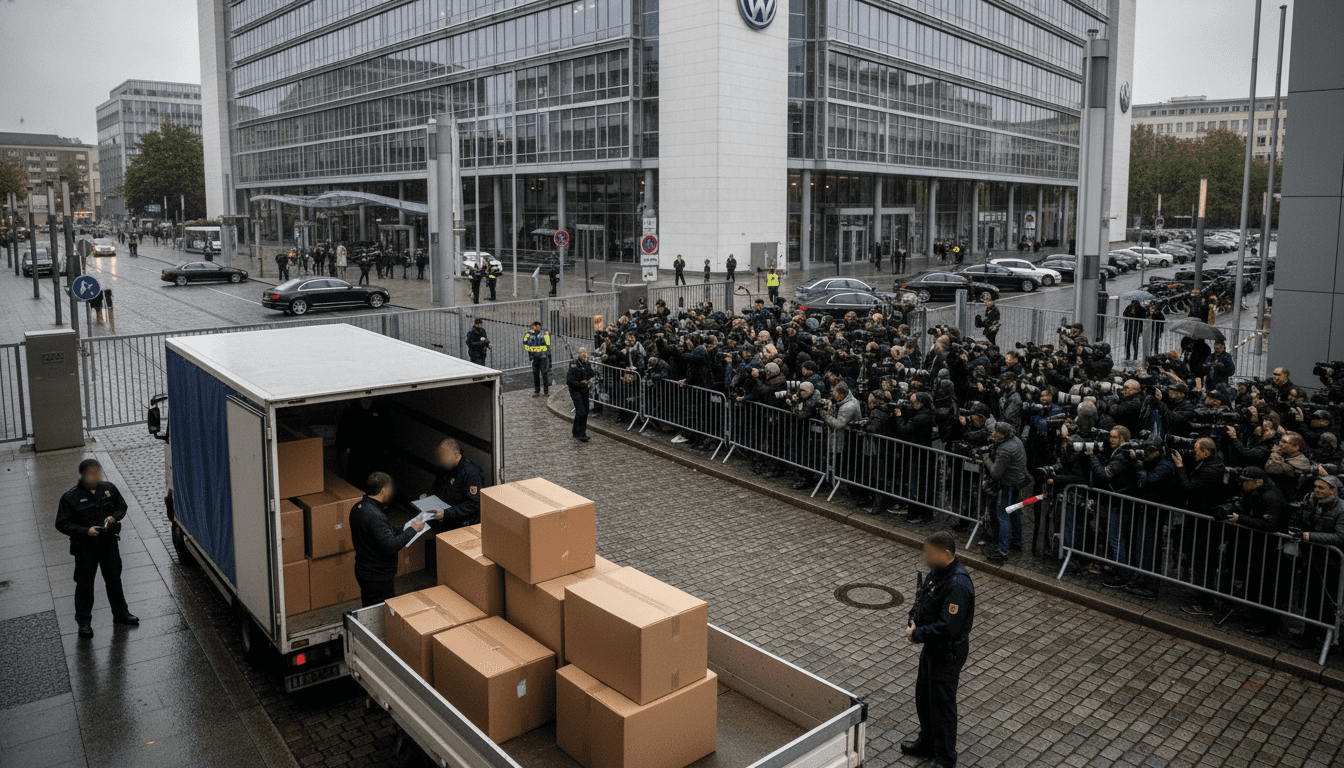
VW works council scandal: Leading representatives accused of luxury trips, paid escorts and corporate favors
Revelations in the VW works council scandal: leading officials accepted luxury trips, paid escorts and corporate favors funded by the company two decades ago.
The VW works council scandal erupted after reporting and probe material revealed that prominent works council members received lavish travel, paid escorts and other benefits supplied through corporate channels in the mid-2000s. The allegations center on a pattern of favors between senior employee representatives and vendors or executives that, according to investigators, were concealed from shareholders and the workforce. The disclosures have reopened long-standing questions about internal controls and the oversight of employee representation bodies at Volkswagen. Authorities, company auditors and union officials have begun renewed inquiries to establish responsibility and scope.
Allegations and historical timeline
Investigators say the conduct originated in the mid-2000s, around 2006, when the first exchanges of hospitality and paid services were arranged through third parties and internal accounts. Over subsequent years, the arrangements reportedly expanded to include luxury travel, exclusive events and personal services presented as business expenses. Sources indicate the pattern persisted intermittently and involved several senior works council figures who wielded substantial influence within Volkswagen’s labor structures. The emerging timeline aims to map transactions, invoices and correspondence that could show intent to conceal benefits from the company’s governance processes.
Company response and internal inquiries
Volkswagen has reopened internal audits and asked independent auditors to review expense records linked to employee representation committees, according to people briefed on the matter. The company says it will cooperate with relevant authorities while pursuing its own fact-finding to determine whether corporate funds were improperly diverted. Senior management has signaled a commitment to restore trust, but corporate spokespeople caution that allegations must be substantiated before naming individuals or taking disciplinary action. The internal effort will search accounting ledgers, emails and third-party contracts to verify whether standard procurement and compliance procedures were bypassed.
Legal and regulatory implications
If substantiated, the revelations could trigger criminal investigations for bribery, embezzlement or breach of trust, and may provoke civil suits by shareholders for failures in supervisory oversight. German corporate law and anti-corruption statutes provide multiple avenues for prosecutors to pursue alleged misappropriation of corporate resources. Regulators and prosecutors will likely examine whether executives or external suppliers knowingly participated in schemes to benefit works council members. Penalties could range from fines and restitution orders to criminal charges depending on the evidence uncovered.
Reactions from workers, unions and the public
Rank-and-file employees and union representatives have expressed shock and concern at the reports, noting the potential damage to trust between the workforce and its elected representatives. Trade unions have demanded transparent investigations and immediate safeguards to protect legitimate collective representation while ensuring accountability. Employee reaction has varied across sites, with some workers calling for resignations from implicated officials and others urging due process. Public sentiment is likely to harden if evidence confirms that corporate benefits were used for personal gratification rather than legitimate labor negotiations.
Investigative evidence and documentation
Journalists and investigators cite invoices, travel logs and witness statements as the backbone of the emerging case, though many documents remain subject to verification. Analysts say the crucial evidence will be contemporaneous records that tie payments or bookings to individual representatives rather than legitimate business activities. Digital trails such as booking confirmations, bank transfers and internal approvals are expected to play a decisive role in establishing responsibility. Legal teams on both sides are preparing to contest the provenance and interpretation of documents as the inquiry advances.
Wider corporate governance questions
The scandal raises broader questions about the effectiveness of compliance systems, internal audit functions and the separation between works councils and corporate management. Governance experts note that strong oversight mechanisms are essential when labor representatives hold significant influence over strategic decisions and supplier relationships. Reforms under consideration could include stricter expense protocols, third-party vetting procedures and enhanced transparency rules for works council interactions. The outcome may prompt not only internal changes at Volkswagen but also renewed scrutiny of governance practices across German industry.
The unfolding VW works council scandal underscores the fragility of trust in corporate institutions when oversight fails and personal interests intersect with official roles. As investigators piece together records from roughly twenty years ago, the company faces the twin tasks of clarifying past misconduct and rebuilding confidence among employees, shareholders and the broader public.
