
Naphtha shortage in Japan forces emergency glove release and hits factories and packaging
Naphtha shortage in Japan disrupts medical supplies, packaging and auto production; government releases 1.6 million surgical gloves and seeks alternative sources.
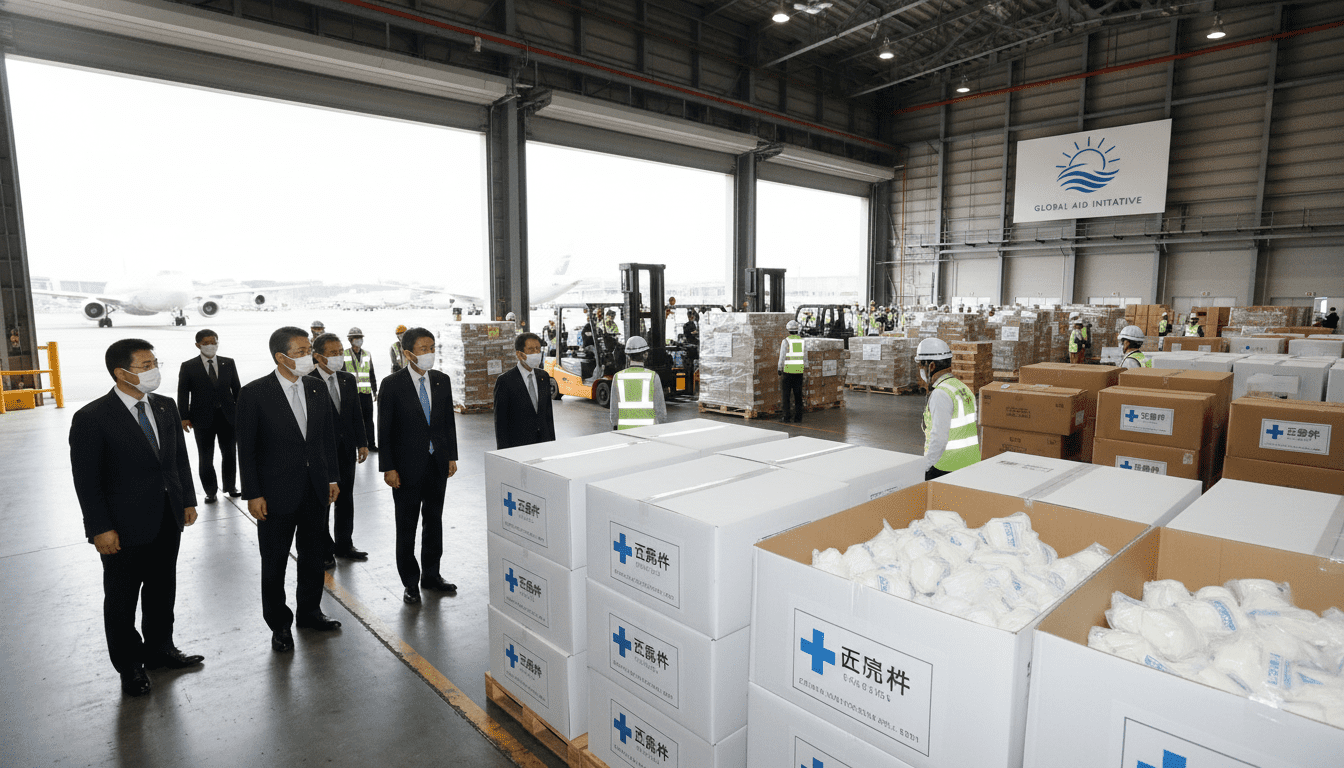
Japan is facing a naphtha shortage that has begun to ripple through hospitals, food manufacturers and automakers, officials and companies say. The naphtha shortage in Japan, driven by disrupted Middle East shipments amid the Iran war and a blockade in the Strait of Hormuz, has pushed prices higher and strained supply chains. Prime Minister Sanae Takaichi told cabinet ministers that medical facilities have reported urgent shortages of essential items including surgical gloves. The government has authorised the release of 1.6 million surgical gloves from state reserves and began dispatches this weekend as an immediate relief measure.
Government releases emergency medical stockpile
Prime Minister Sanae Takaichi announced that 412 medical facilities had contacted the government reporting shortages of disposable medical gloves. The cabinet approved the release of 1.6 million surgical gloves from national reserves and ordered immediate distribution to hospitals and clinics. Pharmacies are also reporting shortages of plastic containers, prompting health officials to monitor supplies closely and prioritise allocations to critical care providers.
Dependence on Middle East naphtha exposed
Japan imports roughly 40 percent of its naphtha from the Middle East, making the nation vulnerable to disruptions in the Strait of Hormuz and regional instability. Naphtha is a feedstock for the plastics, coatings and inks used across manufacturing and packaging, so shortages have translated into reduced output and sharply higher input costs. Companies have reported significant price spikes in recent weeks, forcing some to scale back production or change manufacturing processes to cope.
Food producers shift packaging to avoid ink shortages
Major food manufacturer Calbee said it will package 14 popular products in black-and-white bags from the end of May to avoid potential ink shortages tied to naphtha supply constraints. The company cited the need to package potato chips immediately after harvest and said monochrome sleeves are a precaution to ensure continuous supply. Paint and ink suppliers, including some large domestic producers, have sought to reassure customers that global procurement channels can be used, but several firms have already raised prices to discourage hoarding.
Automaker Toyota warns of multi-billion yen impact
Toyota Motor Corporation warned that higher costs and lost sales in the Middle East could combine to create burdens of up to 670 billion yen, or roughly 3.6 billion euros, for the company. The automaker stressed that its operations depend on complex supplier networks and that production can halt if even small components or materials are unavailable. Finance executives cautioned that prolonged naphtha shortages could force suppliers to curtail output, creating cascading disruptions across assembly lines.
Construction and household-goods sectors feel pressure
Builders and manufacturers of household fixtures are also reporting disruptions as coatings, insulation and adhesive materials rely on naphtha-derived inputs. Manufacturer Toto temporarily paused orders for its prefabricated bathroom units in April as procurement of coatings and adhesive films became difficult, according to company statements. After government intervention and talks with suppliers, Toto resumed taking new orders, but smaller construction firms remain vulnerable due to weaker negotiating power and rising prices.
Retailers and confectionery producers have told industry papers they were asked to accept 20 to 40 percent price increases on plastic film beginning in June, and some companies are exploring simplified packaging to reduce ink and plastic use. Those adjustments could become more widespread if the supply squeeze persists, with implications for product appearance, branding and consumer prices.
Government seeks alternative suppliers and supports small businesses
Takaichi said the government is working to secure crude oil and naphtha-derived products from alternative sources outside the Middle East through the coming year. Officials acknowledged existing constraints and said they would take steps to protect smaller firms such as local construction companies and independent auto repair shops that lack bargaining power. The government has also engaged with major manufacturers and trade groups to coordinate allocations and avoid disruptions to essential services.
Japan’s industrial landscape is being tested by a shortage that touches everything from operating theatres to snack packaging and car assembly. As companies adapt packaging, raise prices or temporarily scale back output, officials are racing to diversify supply lines and shield vulnerable businesses while short-term relief measures, such as the glove release, address immediate medical needs.
