
UniCredit takeover of Commerzbank sparks protests as employee cuts loom
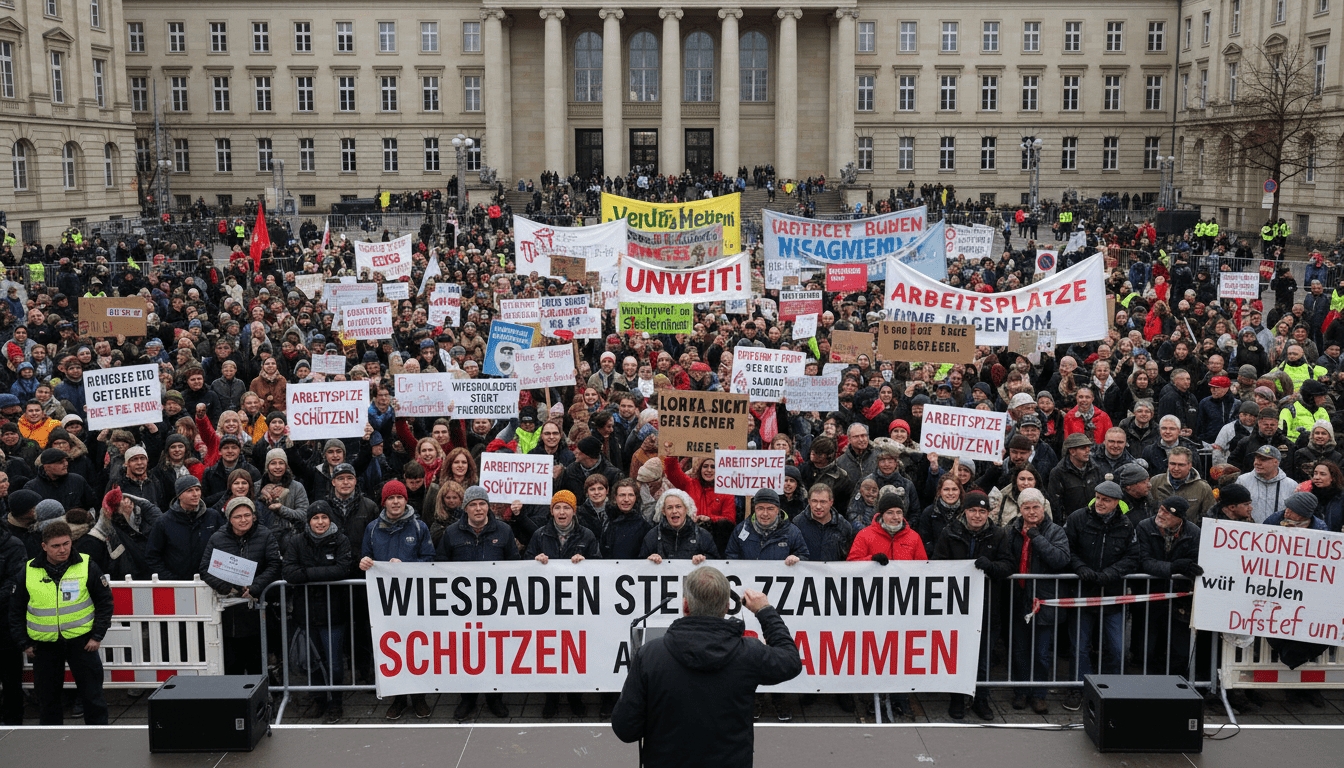
Commerzbank shareholders met in Wiesbaden amid protests over the proposed UniCredit takeover of Commerzbank, with staff warning the deal could cost thousands of jobs and demanding protections for employees and shareholders.
Employees protest at Wiesbaden shareholder meeting
Hundreds of Commerzbank employees and supporters gathered outside the annual shareholder meeting in Wiesbaden, holding signs that declared the bank should remain “strong and independent.” The demonstrations were organized around fears that a UniCredit takeover would trigger large-scale restructuring and job losses. Union representatives said the protest aimed to put pressure on both management and potential suitors to guarantee employee rights and shareholder value.
Verdi union secretary and supervisory board member Frederik Werning publicly criticized UniCredit chief Andrea Orcel, saying, “we cannot trust this man,” and voiced concern over Orcel’s plans if the acquisition proceeds. The tension underscored a deep mistrust among many employees toward the strategy and leadership style associated with UniCredit’s past integration of German units. Organizers framed the protest as a warning that social and operational consequences must be addressed before any deal moves forward.
Commerzbank leadership calls for shareholder recognition
Commerzbank CEO Bettina Orlopp told arriving shareholders that the bank had always been willing to engage in discussions, but insisted any agreement must properly reward the company’s owners. Orlopp argued that any transaction should include a premium for Commerzbank shareholders and explicit recognition of the strengths of Commerzbank’s business model. Her comments aimed to reassure investors that management would seek to extract maximum value while negotiating the terms of any potential deal.
Company statements suggested Commerzbank will continue to weigh strategic options that preserve as much of its current structure as possible while pursuing profitability. Management also reiterated that internal plans to increase efficiency would proceed, irrespective of external offers, reflecting an effort to balance operational reform with negotiating leverage.
UniCredit absent from the meeting, Reuters reports
According to a Reuters report citing two people familiar with the matter, UniCredit did not attend the shareholder meeting in Wiesbaden. The absence was notable given UniCredit’s central role in takeover discussions and underscored a preference by the Italian bank to avoid direct confrontation at the event. Observers said the decision to stay away could be tactical, allowing UniCredit to manage communications through formal channels rather than public debate.
The reported nonattendance left questions about how and when UniCredit intends to present its proposals to Commerzbank shareholders and employees. Analysts noted that a formal approach would likely involve detailed integration plans and financial terms — elements that investors and unions alike are waiting to see.
Diverging job-cut estimates heighten anxiety
Estimates for potential job losses vary widely and have been a focal point of the controversy. Commerzbank has indicated an expectation of around 10,000 to 11,000 positions potentially affected in a full integration scenario, while UniCredit has previously described roughly 7,000 positions in Germany as surplus. The company’s own independent restructuring plans anticipate eliminating around 3,000 roles to improve profitability.
The works council has warned of far higher numbers, estimating that up to 23,000 jobs could be at risk if UniCredit treats the Commerzbank integration the same way it handled its Munich-based unit, HypoVereinsbank. Those figures are intensifying calls from employees and unions for binding assurances and detailed transition measures before any binding agreement is approved.
Unions demand guarantees and a clear social plan
Trade unions and employee representatives have pressed for legally enforceable social safeguards, insisting that any merger agreement must include concrete measures to limit redundancies and protect staff terms. Verdi and other labor organizations say previous consolidations in the German banking sector demonstrate the real-world impact of large cross-border integrations. They have sought commitments on retraining, redeployment and compensation packages as preconditions for accepting a transaction.
Union leaders also warned shareholders that short-term cost savings should not come at the expense of long-term stability or community impact in regions where Commerzbank has a significant presence. The standoff reflects broader tensions between investor demands for efficiency and worker protections in major financial restructurings.
Regulatory scrutiny and next steps for the proposed deal
Any takeover by UniCredit would require regulatory approvals across jurisdictions, a process likely to examine competition, financial stability and labor implications. Regulators in Germany and the European Union are expected to assess the planned integration’s potential effects on banking markets and employment. The procedural timeline for such reviews can extend over months, during which public and political scrutiny typically intensifies.
Shareholder deliberations and further disclosures will shape the near-term path of negotiations, with Commerzbank’s board obligated to weigh offers against fiduciary duties to investors. Market participants say clarity on valuation, integration costs and workforce plans will be decisive for investor support and regulatory outcomes.
Commerzbank’s shareholder meeting and the accompanying protests highlight the fraught politics of cross-border banking consolidation in Europe, with employees, unions and local stakeholders demanding transparent terms and social protections as talks progress.
