
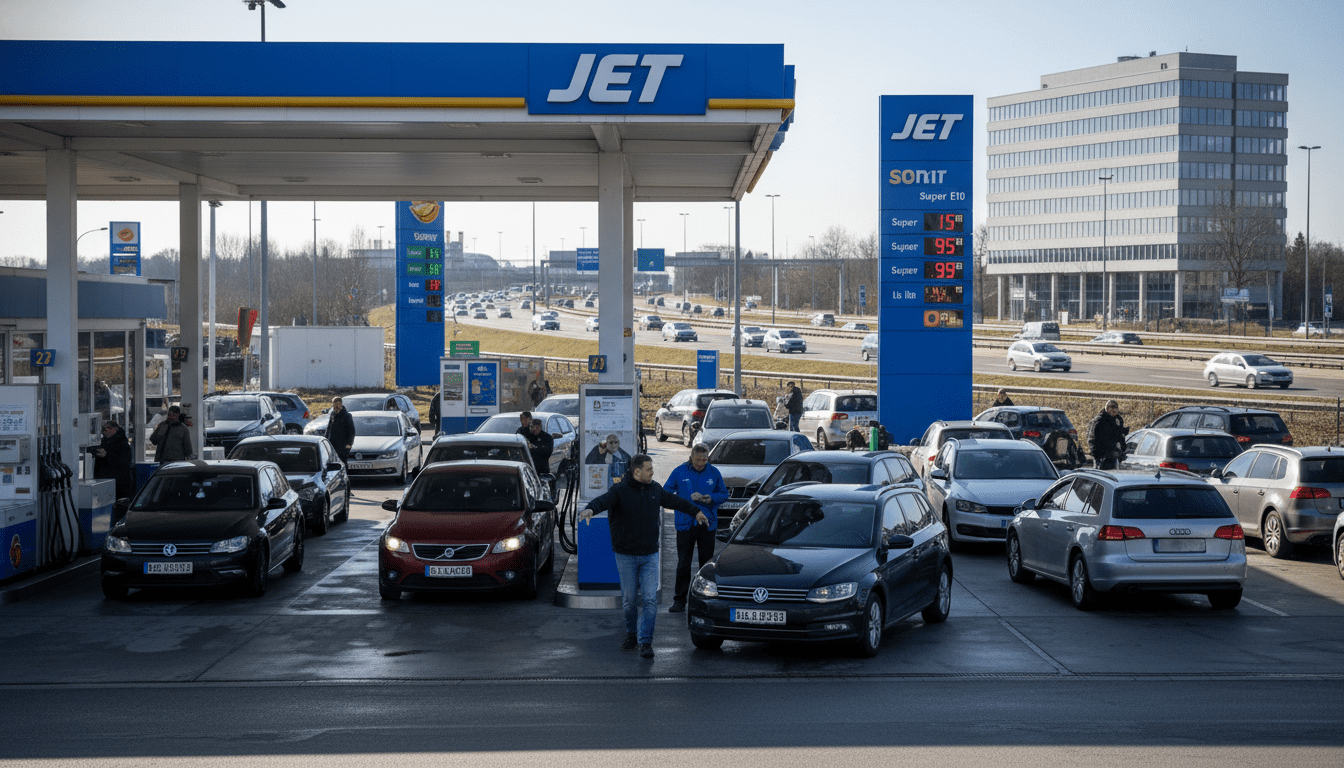
Thousands of German Stations Break 12 O’Clock Price Rule Since April 1 Rollout
Nearly 3,000 German petrol stations breached the 12 o’clock price rule from April 1 to May 11, prompting technical explanations and calls for state sanctions.
The first nationwide analysis of the rule’s initial six weeks shows widespread non-compliance, with 2,995 of 15,240 stations raising prices at prohibited times on roughly 17,000 occasions. The data, compiled by the consumer service mehr-tanken using information from the Bundeskartellamt, covers the period from the rule’s introduction on April 1 through May 11. The 12 o’clock price rule, intended to limit intra-day price volatility, allows stations to increase prices only once per day at 12:00 noon.
Scope of the infractions
The review found that violations occurred across the country, but they were not evenly distributed. In absolute terms the number of incidents — about 17,000 — underlines the practical challenges of enforcing a single daily price increase limit on a market of more than 15,000 sites. Regulators and industry observers say the figures reveal both persistent adaptation issues and the limits of rapid regulatory intervention in a complex retail network. Market operators and consumer advocates now disagree on whether the breaches reflect deliberate practice or operational teething problems.
Regional hotspots and compliance rates
Regional breakdowns show marked differences in adherence. Bavaria recorded the highest share of stations not consistently following the rule, with 25.6 percent flagged for at least one unauthorized price increase. By contrast, Berlin reported the lowest proportion of non-compliant stations at 8.2 percent. Northern German states including Hamburg, Schleswig-Holstein and Mecklenburg-Vorpommern showed comparatively fewer incidents. Analysts say differences likely stem from variations in station ownership structures, local market competition and the technical sophistication of back-office systems.
Operators point to technical and logistical causes
Industry groups representing independent and family-run stations say the breaches are often the result of system limitations rather than willful flouting. The Bundesverband freier Tankstellen emphasized that price updates must pass through layered price, cash register and communications systems before appearing on pumps and public displays. Slow lines, ongoing transactions and staggered data feeds can delay or desynchronize price postings, the association argued, creating apparent timing errors that look like rule violations. Smaller operators, they add, face particular pressure to reconcile legacy equipment with the new requirement.
Calls for enforcement and the role of state authorities
Consumer advocates and motor clubs have urged firm sanctions to deter continued breaches. The ADAC said violations should be penalized to remove any incentive to ignore the regulation, calling for effective enforcement measures. Responsibility for sanctions, however, rests with the individual German states rather than the Bundeskartellamt, complicating a coordinated response. State-level enforcement agencies will need to decide inspection priorities and sanction levels, a process that could produce inconsistent penalties and a patchwork of compliance outcomes.
Regulator assessment and early market effects
The Bundeskartellamt, while noting the number of deviations as relatively high, characterized a substantial share as early technical mistakes linked to the rule’s rollout. According to the authority, the new requirement has nonetheless reduced extreme price volatility at many sites. Before the rule, some stations changed prices dozens of times a day — averages cited by the regulator fell from roughly 20 daily adjustments to about five since early April. Regulators frame the rule’s early impact as a net dampening of intra-day volatility even as operational glitches persist.
What consumers and operators can expect next
The coming weeks are likely to focus on enforcement strategies and on improving the technological reliability of price transmission systems. Market transparency platforms and industry bodies say they will work to refine data channels so that pump displays, price boards and public reporting reflect the same change simultaneously. Consumers may see fewer rapid price swings, but pockets of irregularity could persist while back-office systems are updated. If states impose meaningful fines, operators will face a clear financial incentive to prioritize technical fixes and compliance.
The 12 o’clock price rule has already altered how fuel prices move in Germany, but its long-term success will depend on consistent enforcement, investment in station infrastructure and clearer operational guidance for smaller operators.
