
US Reimposes Sanctions on Russian Oil Sector as Temporary Waiver Expires
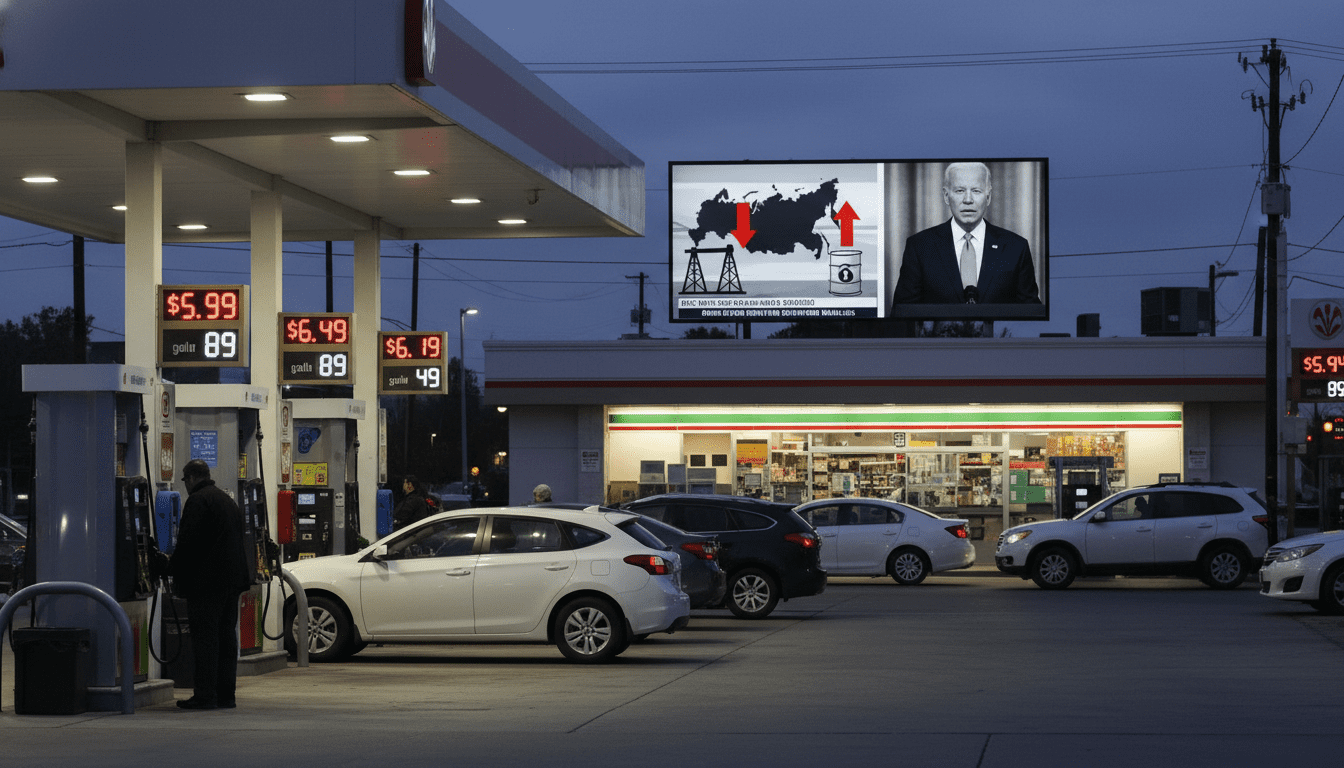
US reimposed sanctions on the Russian oil sector after a temporary waiver expired, ending an exemption meant to steady global energy markets as fuel costs rise.
The United States moved overnight to reinstate long-standing sanctions covering Russia’s oil industry after a temporary exemption that had been granted in March formally lapsed. The decision restores curbs that had been eased to address surging energy prices and halts a narrow window under which some previously loaded shipments could be traded. Officials offered no immediate indication that the waiver would be revived.
Temporary waiver lapsed after weeks of limited relief
The waiver, introduced in mid-March, allowed certain shipments of Russian oil to be traded despite existing sanctions if they met specific timing and documentation criteria. It was extended once as emergency relief when oil prices jumped following the outbreak of the conflict in Iran. Once the exemption expired, Treasury and State Department authorities reverted to the normal sanction framework that has constrained Russia’s oil revenues for years.
Administration cited market stability when easing rules
Washington said the earlier relaxation was intended to calm global energy markets and blunt sharp price spikes that hurt consumers worldwide. The measure was framed as temporary and narrowly tailored rather than a rollback of the broader policy on Russian energy. Critics argued the move risked undermining the pressure the United States and its partners had sought to place on Moscow.
Bipartisan domestic pushback influenced the debate
Democratic senators publicly urged the administration not to renew the exemption, noting that oil revenues help finance Russia’s military operations in Ukraine. Senators Jeanne Shaheen and Elizabeth Warren called on the Treasury to end what they described as a policy that effectively boosted Moscow’s war chest. Their intervention reflected wider Democratic concern and heightened scrutiny in Congress over any steps perceived to ease pressure on Russia.
Political risks for the Trump administration ahead of midterms
Rising gasoline costs have become a politically sensitive issue for President Donald Trump and Republican lawmakers as voters prepare for key congressional elections in the fall. U.S. pump prices have climbed substantially since the start of the Iran conflict, creating pressure on an administration that prioritizes economic messaging. Republican officials have to balance short-term voter concerns about energy bills with longer-term strategic objectives on sanctions and foreign policy.
International response and implications for Ukraine funding
Allies and several partner governments had criticized the temporary relaxation, warning it could reduce the leverage of sanctions designed to limit Moscow’s access to export revenues. European capitals and Kyiv monitoring the developments stressed the need to preserve pressure on Russia while ensuring energy stability in markets. Analysts note that renewed restrictions will make it harder for Moscow to monetize some exports, though Russia retains other mechanisms to generate revenue.
Market reaction and near-term economic effects
Energy markets reacted to the reinstatement with cautious attention rather than immediate shocks, reflecting the temporary nature of the previous waiver and existing supply adjustments. U.S. retail gasoline averages reached levels that are politically notable, and analysts say the domestic price floor is influenced by a complex mix of global crude prices, refining constraints and regional taxes. Traders will watch shipping flows and documentation practices closely to assess how strictly the sanctions are enforced in the coming weeks.
The reinstatement of sanctions returns U.S. policy toward Russian oil to a more restrictive posture after a brief experiment with limited relief. Washington says the move aligns sanctions policy with broader objectives to constrain funding for the war in Ukraine while remaining attentive to market volatility. The next weeks will likely show whether additional diplomatic or regulatory steps follow and how markets, allies, and Congress respond to the renewed restrictions.
