
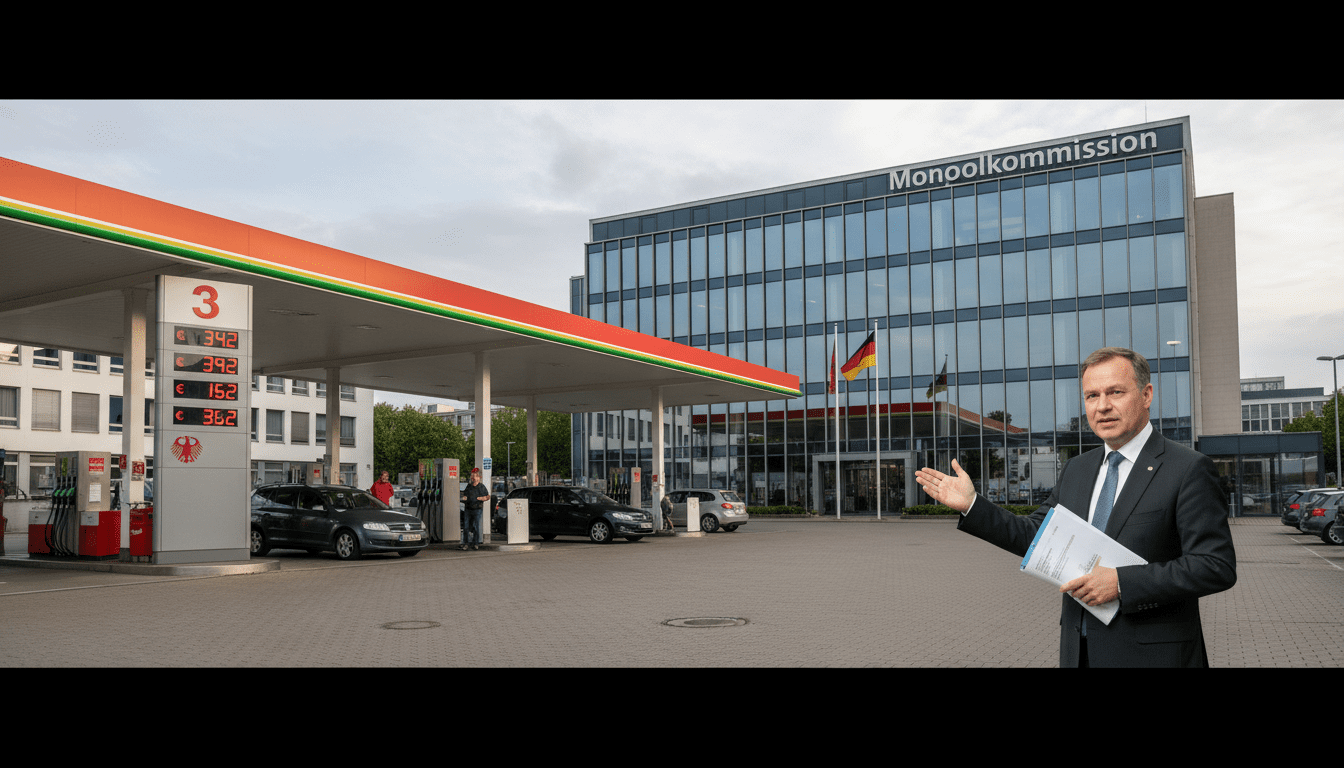
German tankrabatt largely passed to motorists, analysis shows
Monopolkommission finds most of the German tankrabatt passed to motorists, but early days saw incomplete pass-through and signs of wholesale price increases.
The German tankrabatt — the temporary 16.7-cent-per-litre cut in the energy tax — has been largely reflected at the pump, according to an analysis by the Monopolkommission. The government’s independent advisory body compared German fuel prices with those in France and the United Kingdom and concluded that mineral oil companies passed most of the rebate on to consumers. The finding aligns with data from the Ifo Institute showing near-complete transmission of the tax cut to retail prices.
Monopolkommission says rebate was mostly passed on
The Monopolkommission reported that, overall, retail fuel prices in Germany fell in step with the tax reduction, indicating companies passed a substantial share of savings to drivers. The analysis examined price movements across retail stations and contrasted them with contemporaneous prices in France and Britain to isolate the effect. While the commission sees the pass-through as evidence the rebate reached consumers, it stopped short of declaring the market fully competitive.
Initial days showed incomplete pass-through
In the first days after the tax cut took effect, the commission observed that the full 16.7-cent reduction did not immediately appear at forecourts nationwide. Early retail prices lagged the expected decline, suggesting some delay or partial retention of savings by intermediaries. That pattern has since diminished, but the initial gap drew scrutiny from regulators and consumer groups.
Wholesale-level price rises predated the discount
A key element of the Monopolkommission’s critique is that German fuel prices had, in part, been raised before the tankrabatt was introduced. The commission found evidence that price increases disproportionately occurred at the wholesale level rather than at individual service stations. That earlier upward shift in wholesale margins means the apparent pass-through of the rebate may have been offset by prior price adjustments higher up the supply chain.
Ifo Institute and ADAC provide corroborating figures
Independent analysis from the Ifo Institute reached a similar conclusion on pass-through rates, estimating that roughly 14 cents of the 16.7-cent reduction is reflected in diesel prices and about 15 cents in petrol prices. Consumer-mobility group ADAC reported average retail prices around €1.99 per litre for diesel and roughly €1.97 for E10 petrol, figures that underline how much of the tax cut reached drivers. Together, these data points give a consistent picture of substantial but imperfect transmission to end users.
Concerns over competition at wholesale level persist
Despite the observed pass-through, the Monopolkommission warned of “persistent competition problems” concentrated in the wholesale market. The advisory body argues that market structure and pricing behavior among major oil companies can sustain elevated margins before retail adjustments. Policymakers and competition authorities may face pressure to scrutinize wholesale contracts and distribution practices to ensure more transparent and contestable pricing.
Implications for consumers and policy makers
For motorists, the near-complete transfer of the tankrabatt means an immediate reduction in out-of-pocket fuel costs compared with pre-rebate levels, although savings are smaller if wholesale prices remain inflated. For the government, the findings raise questions about the design and timing of future fiscal interventions intended to lower fuel prices. Regulators may consider targeted inquiries into wholesale conduct to prevent upstream price shifts that blunt the impact of tax relief.
The Monopolkommission’s assessment, reinforced by the Ifo Institute and ADAC figures, suggests the tankrabatt has largely achieved its short-term aim of lowering retail fuel costs, but it also highlights structural issues that could limit the effectiveness of similar measures going forward.
