
FC Bayern must sharpen mental edge and tactical plan to overturn 4-5 deficit in Champions League semi
FC Bayern trail 4-5 after the first Champions League semi; mental resilience, tactical adjustments and handling Paris’s attack will decide the return.
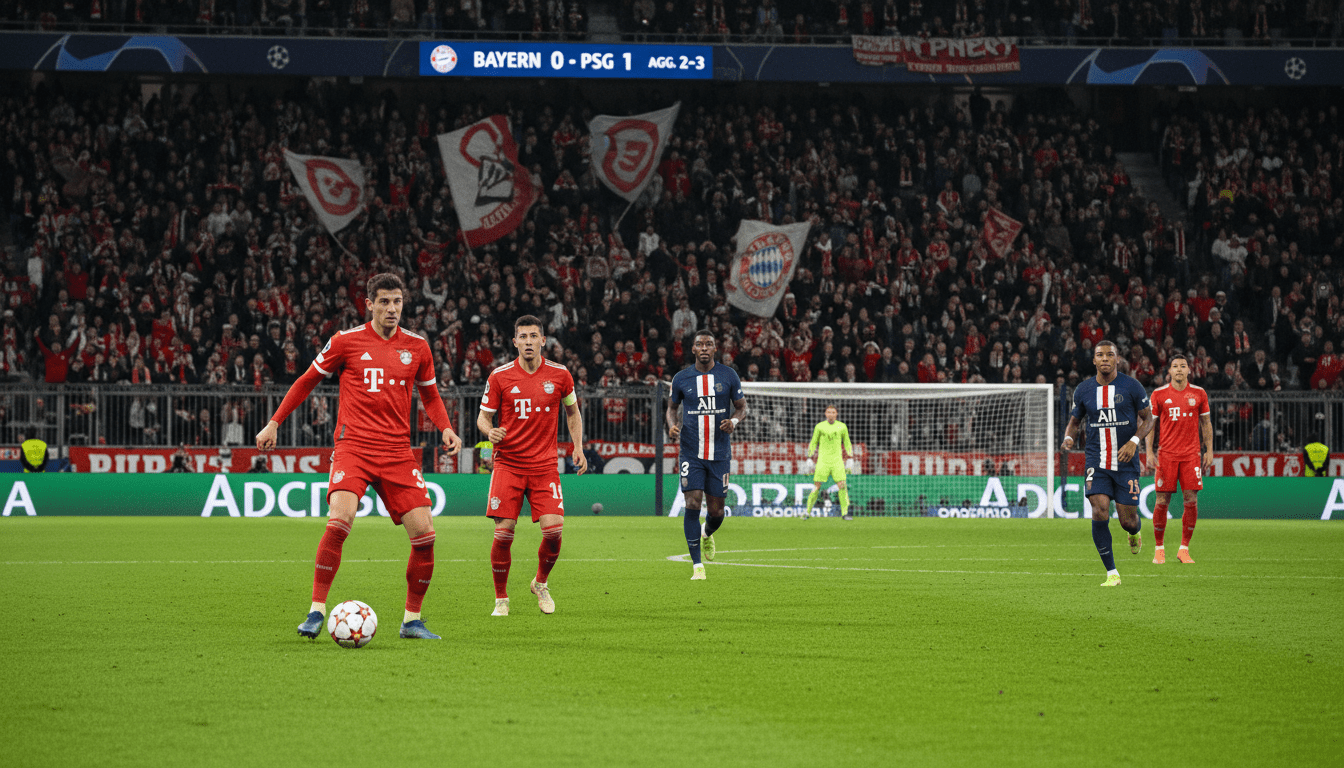
FC Bayern face a decisive return leg after a 4-5 result in the first Champions League semi, leaving the tie finely poised and requiring a clear plan on and off the pitch. The challenge for Bayern is not only to score but to control critical moments, limit transitions and withstand Paris’s forward threats. A mental coach’s perspective underlines that composure, preparation and precise in-game reactions will determine who advances to the final.
Scoreline leaves little margin for error
The 4-5 scoreline from the opening encounter means Bayern enter the return leg with only a single-goal deficit, but little room for complacency. A narrow margin magnifies every error and increases the importance of decisive actions in both halves.
That slim gap converts routine moments — a loose pass, a failed clearance, a missed set piece — into potentially match-defining events. Bayern must treat the return as a series of controlled episodes rather than a single grand gesture.
Mental resilience will shape the outcome
Coaches and psychologists stress that high-stakes ties often hinge on mental strength as much as tactics. Bayern’s players will need to manage anxiety, rebound from setbacks quickly and maintain focus through momentum swings.
Simple routines before critical phases — set-piece rehearsals, brief breathing exercises, and clear micro-goals for ten-minute intervals — can reduce cognitive noise. Teams that stay present tend to make fewer reactive mistakes and execute plans more consistently.
Tactical adjustments Bayern should consider
On the tactical front, Bayern must balance aggression with defensive discipline. Pressing in structured waves can disrupt Paris’s build-up while preventing the kind of overcommitments that expose the backline to counters.
Controlling the midfield is vital: tighter marking in central corridors, quicker transitions from defense to attack, and more varied delivery into the box will force Paris to defend deeper. Harry Kane can serve as the focal point for Bayern’s attacks, but support from the wide players and late midfield runs will be necessary to break down a compact defence.
Paris’s attacking threats require targeted containment
Paris present multiple threats in transition and in isolated duels, where pace and individual skill can create opening chances. Bayern must identify the principal outlets and limit quick outlets on the wings and through balls behind the defence.
Defending set pieces and defending the first contact after loose balls will be crucial, as Paris often magnify small moments into scoring opportunities. Clear communication between centre-backs and midfield shields will reduce risk from quick switches of play.
Managing substitutions and key moments
Substitutions should be used proactively to change rhythm and protect leads or chase goals, not simply as reactions to events. Bringing on energetic wide players can stretch Paris late, while a defensive substitution may be necessary to shore up a narrow lead.
Match officials and VAR interventions also shape critical moments; coaching staffs must prepare players to respond calmly to stoppages and not allow interruptions to erode concentration. Time management in the closing stages — measured fouls, calm restarts and intelligent ball retention — often decides tight ties.
Set pieces and finishing as non-negotiable priorities
In a tie decided by fine margins, set pieces become high-value opportunities. Bayern must maximize attacking corners and free-kick deliveries, while ensuring defensive markers are disciplined and alert to second balls.
Clinical finishing will ultimately determine the scoreboard. Bayern can create opportunities through sustained pressure, but converting chances with composure under duress is the practical difference between prolonging the contest and closing it out.
The return leg will be a test of Bayern’s ability to blend tactical clarity with mental fortitude. If they combine structured pressing, midfield control and focused preparation for Paris’s key threats, the tie remains within reach. Success will depend on executing a compact, composed plan and turning a handful of decisive moments into advantage.
